
- Home
- Archive: January, 2023

How to Change Winter Tires Without Rims
If you live in an area with snow and ice, you know that winter tires are a must. But did you know that you don’t necessarily need to have rims to change your tires?
- Park your car on a level surface and set the emergency brake
- Loosen each lug nut slightly with a wrench, but do not remove them yet
- Jack up the front or rear of your car, depending on which tires you need to change, and place jack stands under the frame to support it
- Remove the lug nuts and wheel from your car
- Put the new wheel on and hand-tighten the lug nuts as much as possible
- Lower your car off of the jack stands and tighten each lug nut fully with a wrench
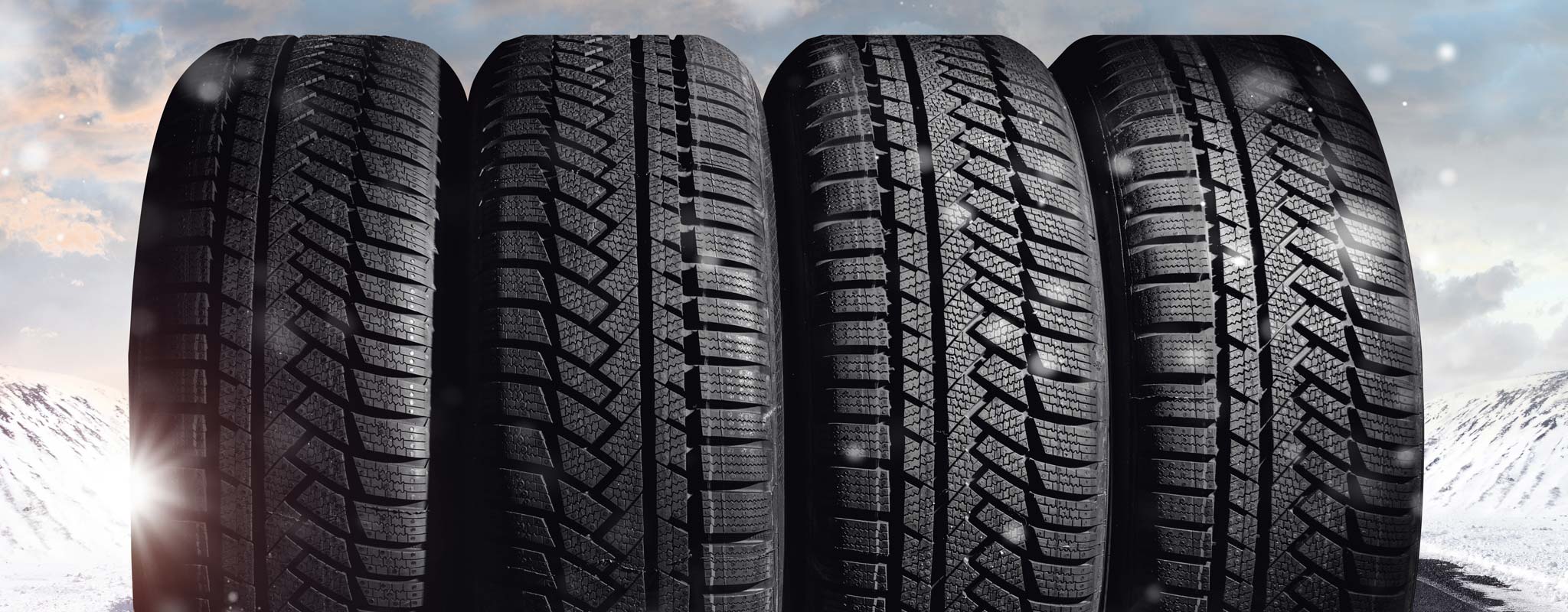
Credit: www.lesschwab.com
Do You Need to Change Rims for Winter Tires?
If you live in an area with harsh winter weather, it’s a good idea to switch to winter tires. Winter tires are designed to provide better traction and handling in snow and ice. They’re made from a softer rubber compound that stays pliable in cold temperatures, so they grip the road better than regular tires.
They also have deeper treads for improved traction on slippery surfaces.If you’re just driving in light snow or on well-plowed roads, regular tires will likely be fine. But if you’ll be driving in more challenging conditions, winter tires can give you the peace of mind of knowing your car is better equipped to handle the elements.
When You Buy Winter Tires Do They Come With Rims?
When you buy winter tires, they usually do not come with rims. However, some tire shops or dealerships may offer a package deal that includes both winter tires and rims. Be sure to ask about any special deals when you are shopping for your winter tires.
Can I Change My Own Winter Tires?
It’s getting to be that time of year again when the weather starts to turn and we have to start thinking about changing our tires over to winter ones. But the question remains – can we do it ourselves or do we need to take it into a professional?The simple answer is yes, you can absolutely change your own winter tires!
It’s not a difficult process and as long as you have the right tools, it should only take you around 30 minutes per tire. Here’s what you’ll need:– A jack
– A lug wrench (or impact gun if you have one)
– A clean, level surface on which to work (your driveway will do perfectly)
– Your new winter tires!
First things first, make sure your vehicle is parked on a level surface before you start. This will help prevent the jack from slipping and injuring you or damaging your car. Once that’s done, use the jack to lift up the car so that the wheel you’re changing is slightly off the ground – this will make it much easier to remove and replace.
Next, use your lug wrench (or impact gun) to loosen all of the lug nuts on the wheel. You don’t need to remove them completely yet, just loosen them enough so that they’ll come off easily when you’re ready to remove the wheel. Now it’s time to actually remove the wheel – gently pull it towards you until it comes free of the studs holding it in place.
Set it aside somewhere safe where it won’t roll away or get damaged. Take your new winter tire and line up the holes in its rim with those on your car’s axle. Gently press it onto the studs until it sits flush against your car – again, don’t fully tighten anything yet.
Finally, replace all of your lug nuts (again, just snug them down for now), lower your car back down onto its wheels and then go back around and tighten each nut completely by hand. That’s all there is too if – nice work!
Can I Just Put 2 Winter Tires On?
No, you cannot just put 2 winter tires on. You must have 4 winter tires on all 4 wheels in order to maintain traction and stability while driving in winter weather conditions. Winter tires are specifically designed to grip the road better in cold temperatures and provide extra traction in snow and ice.
Having only 2 winter tires will not provide enough traction or stability for your vehicle, and is not safe.
How to swap your winter tires – 2020 (step by step)
How to Change Winter Tires Yourself
If you live in an area where it snows, you know that come wintertime, you need to change out your regular tires for snow tires. Snow tires have deeper tread and are made of a different type of rubber that helps grip the road better in cold, icy conditions. Many people take their car to a mechanic to have the tires changed, but it’s actually not that difficult to do it yourself.
Here’s how:1. Jack up your car. You’ll need to get the front end of your car off the ground so you can work on the tires.
Place the jack under the frame of your car (consult your owner’s manual if you’re unsure where this is) and pump until the tire is about 6 inches off the ground. Do this for all four tires.2. Loosen the lug nuts.
Once all four tires are jacked up, use a wrench to loosen the lug nuts that hold each tire in place. Don’t remove them completely – just loosen them enough so they’ll be easy to remove when it’s time to put on the new tire.3. Remove each tire and replace with a snow tire.
Use your hands or a Tire Iron tool to finish removing each lug nut and then pull the old tire straight offthe wheelbase . Line upthe new snow tire withthe wheelbase and pushit onto place before screwing onthe new lug nuts (but don’t tighten them allthe way yet).
Conclusion
If you live in an area with cold winters, then you know how important it is to have good winter tires. But what do you do when it’s time to change them? Here’s a quick guide on how to change winter tires without rims.
First, make sure that your car is parked on a level surface and the emergency brake is engaged. Then, loosen the lug nuts on the tire that you want to remove. You can use a socket wrench or a impact gun for this.
Once the lug nuts are loose, use your jack to lift up the car until the tire is off the ground.Now it’s time to remove the old tire. To do this, simply pull it straight off the wheel.
If it’s stuck, you can use a pry bar to help get it loose. Once the old tire is off, take a look at the new one and make sure that it’s compatible with your car. If everything looks good, then go ahead and put the new tire on.
Start by putting the new tire on top of the wheel and lining up the holes. Then, push down on one side of the tire until all ofthe lug nut holes are lined up. Now put your lug nuts back on and tighten them down using your socket wrench or impact gun.
Once they’re tight, lower your car back down to ground level and give each lug nut another turn just to be safe.. And that’s it!
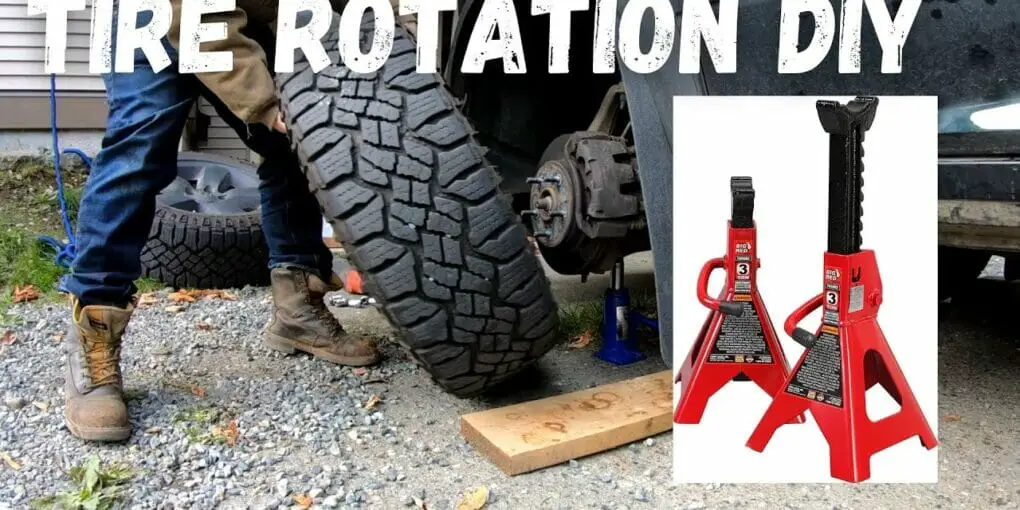
How Many Jack Stands Do I Need to Rotate Tires
If you’re like most car owners, you probably don’t think about rotating your tires very often. But it’s actually a pretty important maintenance task to keep your vehicle running smoothly. So how many jack stands do you need to rotate tires?
The answer may surprise you: it depends on the size of your car and the type of tire rotation you’re doing. For most passenger vehicles, four jack stands should be sufficient. But if you have a larger vehicle or are performing a more complicated tire rotation (like moving the front tires to the back), you may need six jack stands.
So before you start jacking up your car, be sure to check your owner’s manual or ask a qualified mechanic for help. With the right tools and know-how, rotating your tires is a simple way to keep your car running at its best.
How to Rotate your tires on Front Wheel Drive Car with Jack and 2 Stands
If you’re planning on changing your own tires, you’ll need to know how many jack stands to use. The answer may surprise you – you actually only need two!Here’s why: most vehicles have what’s called a “live axle.”
This means that the axle is always connected to the drivetrain, and both wheels on that axle rotate together. So, if you raise one side of the vehicle with a jack, the other side will come up as well.This is why you only need two jack stands when rotating tires.
Just place them under each side of the vehicle, and then lifts each side in turn. Make sure to use sturdy jack stands rated for your vehicle’s weight, and never work under a vehicle supported by just a jack!
How to Rotate Tires Without Jack Stands
Most car owners know that they need to rotate their tires regularly, but many don’t know how to do it themselves. Here’s a step-by-step guide to rotating your tires without jack stands:1. Park your car on a level surface and set the parking brake.
2. Loosen the lug nuts on all four tires with a lug wrench. Do not remove them yet.3. Place one end of a tire iron under the front edge of the front driver’s side tire and the other end under the rear passenger’s side tire.
Repeat this process on the other side of the car with the other tire iron.4. Raise each end of the car slightly off the ground with the tire irons and then remove the lug nuts from all four tires. Be sure to keep track of which lug nuts go where so you can put them back in the correct order later!
How to Rotate Tires on 4X4
Assuming you have a 4×4 vehicle with four wheels, you will need to rotate your tires in order to ensure even wear. Here is a step-by-step guide on how to do so:1. Park your vehicle on a flat surface and engage the emergency brake.
2. Loosen the lug nuts on all four tires using a wrench (you may need to use a breaker bar for additional leverage). Do not remove the lug nuts at this point.3. Place jack stands under the frame of your vehicle and raise it off the ground until the tires are clear of the ground.
Be sure to place jack stands at all four corners of the vehicle for stability.4. Remove the lug nuts and tire from one wheel and set it aside. Repeat this process for each of the remaining three wheels.
5. To install the new tire, line up the holes in the wheel with those in the hub assembly and hand-tighten each lug nut onto each stud until they are snug against the wheel (do not overtighten). You will finish tightening them later when all four tires are installed back onto the vehicle. At this point, you can lower your vehicle back down tothe ground.
. If you raised it high enough, now would be a good time to inspect other items such as brakes or suspension components while everything is easily accessible..
Now would also be agood time tp add grease or make any other adjustments while you have easy access.. With all four new tires installed on your 4×4, go around and tighten each lug nut securely using a torque wrench set at 80 ft.-lbs.
, working in a star pattern fromthe centerof each wheel outward.. Once again, avoid overtightening as this can strip threads or damage studs.. After completing this final step, you should have successfully rotated yourtiresand extended their lifespan!
How to Rotate Tires With Two Jack Stands
If you don’t know how to rotate your tires, it’s actually quite simple. All you need are two jack stands and a lug wrench. Here’s how to do it:
1. Park your car on a level surface and set the parking brake. Place one jack stand under each side of the car, making sure that they are positioned so that the tire you want to remove is easily accessible.2. Use your lug wrench to loosen all of the lug nuts on the wheel that you want to remove.
Do not remove them completely – just make them loose enough so that they can be removed by hand later on.3. Now use your other jack to lift up the side of the car with the wheel that you want to remove. Once it is high enough, place the second jack stand underneath it for support.
4. Remove the lug nuts completely and then pull off the wheel itself. Repeat this process for each of the other wheels, until all four have been rotated.5. To put everything back together, simply reverse these steps – put each wheel back on (making sure that the lug nuts are tight), lower the car down off of each jack stand, and then stow away your tools when you’re finished!
How to Rotate Tires at Home
Tire rotation is an important part of preventative maintenance for your vehicle. It helps to even out tire wear, so that all tires last longer. While you can have this done at a shop, it’s easy enough to do at home with just a few tools.
Here’s how:1. Park your car on a level surface and set the parking brake. Chock the wheels on one side of the car (the side opposite the one you’ll be working on) so that the car can’t roll.
2. Loosen each lug nut about half a turn with a wrench, but don’t remove them yet.3. Place a jack under the frame of the car and raise it until the tire is just off the ground. Be sure to place jack stands under the frame as well, in case the jack fails while you’re working.
4. Remove each lug nut and wheel, then switch their positions according to your owner’s manual or tire manufacturer’s recommendations (usually front to back on same side, or cross-rotate). You may need to consult a diagram to ensure that you’re doing this correctly – ask someone at a shop if you’re unsure. Having trouble?
You can also find helpful videos online like this one from Popular Mechanics: https://www .youtube .com/watch?
v=Cj7YU6QLNzk&feature=youtu .be&t=262
Can I Rotate My Own Tires Without Balancing Them
You can rotate your own tires without balancing them, but it’s not recommended. If you do choose to do this, be sure to mark the position of each tire so you know where to put it back on the vehicle. It’s also important to make sure that the lug nuts are tight before driving.
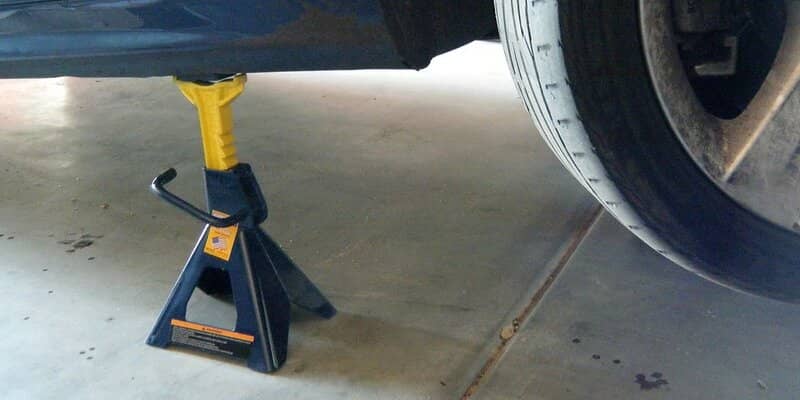
Credit: carjackland.com
Do I Need 2 Or 4 Jack Stands?
If you’re working on a car by yourself, you’ll need at least two jack stands. If you have a helper, you may be able to get away with using just two jack stands, but four is always better. Having four jack stands will give you and your helper more peace of mind while working on the car.
Plus, if one of the jack stands fails, you’ll still have three others supporting the car.
Do You Need Jack Stands to Rotate Tires?
If you want to rotate your tires, you don’t necessarily need jack stands. You can do it without them if you have a friend help you or if your car is high enough off the ground that you can get the tires off and on without jacking up the car. However, it’s generally easier (and safer) to use jack stands.
That way, you don’t have to worry about the car falling off the jack, and you can work on one tire at a time without having to move the car around.
How Do You Rotate Tires With a Jack And Jack Stand?
If you’re like most people, you probably don’t think about your car’s tires until there’s a problem. But did you know that regularly rotating your tires can extend their life and improve your gas mileage? It’s true!
So how do you go about rotating tires with a jack and jack stand?First, let’s talk about why tire rotation is important. As your car moves down the road, the weight of the vehicle transfers from one tire to another.
This causes different areas of the tire to wear differently. For example, the area of the tire that makes contact with the ground when braking will wear down faster than other areas.By rotating your tires on a regular basis, you even out this wear and tear, which extends the life of your tires overall.
Additionally, rotated tires provide better traction and handling, which improves safety on the road. Finally, as we mentioned before, properly rotated tires can improve your gas mileage by up to 3%. That may not seem like much but it can add up over time!
So now that we’ve talked about why rotate your car’s tires, let’s get into how to do it. The first step is lifting up your vehicle with a jack. Place the jack under one of the frame rails near a wheel that you want to remove (it doesn’t matter which one).
Then crank the handle on the jack until that corner of the car is raised off of the ground enough so that you can place a jack stand underneath it for support. Be sure to double check that boththe jack andjack stand are securebefore continuing!Withthe vehicle securely supported bythe jack stand, go aheadand loosen(but don’t remove) allof them lug nutsonthat wheel usinga wrench or impact gun.
Atthis pointyou can goaheadand removethe wheelfromthe hubbypullingit straight off (don’t twistor wiggle it). Repeat this processfor eachofyour car’swheelsuntil all four have been removedand setaside ina safe place.Now it’s timeto switch thingsup! Startingwiththe spare tire ifyou haveone (otherwise startwith whichevertireis in worstshape), placethattireon what waspreviouslythe frontleftpositionofthe car(driver sidefrontin mostcases).
Is It Safe to Jack Up One Side of a Car to Rotate Tires?
If you need to rotate your tires and can’t do it yourself, jacking up one side of the car is the safest way to go. Many people think that it’s unsafe to jack up just one side of a car, but as long as you’re careful and follow all of the safety precautions, it’s perfectly safe. Here are a few things to keep in mind when you’re jacking up one side of your car:
1. Make sure that the parking brake is engaged before you start jacking up the car. This will help prevent the car from rolling while you’re working on it.2. Use jack stands to support the weight of the car once it’s been lifted off the ground.
Do not rely on the jack alone to support the car – always use jack stands for added safety.3. Don’t forget to chock the wheels that are still on the ground. This will help prevent them from rolling while you’re working on rotating the tires.
4. When lowering the car back down, be sure to do it slowly and carefully so that you don’t damage anything or hurt yourself in the process.Following these simple tips will help ensure that jacking up one side of your car is safe and easy!
Conclusion
If you own a car, it’s important to know how to change your own tires. Part of changing your own tires is knowing how many jack stands you need. Generally, you will need two jack stands for each tire that you want to change.
So, if you want to rotate your tires, you will need four jack stands total.There are a few different ways that you can position the jack stands under your car. The most important thing is that they are positioned correctly so that your car is stable and won’t fall off the jack stand while you’re working on it.
Once the jack stands are in place, you can then use a jack to lift up the portion of the car that has the tire that you want to change.Once the tire is changed, lower the car back down and remove the jack stands before driving away.
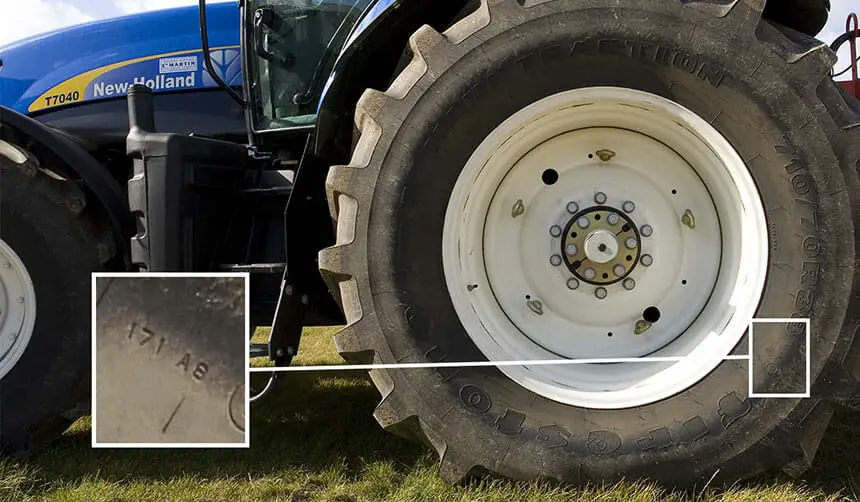
How Much Does It Cost to Get Tractor Tires Loaded
Tractor tires are big and bulky, so it’s no surprise that they can be expensive to load onto a truck or trailer. The cost of loading tractor tires depends on the size and weight of the tires, as well as the type of loader used. If you’re hiring someone to load your tractor tires, expect to pay between $25 and $50 per tire.
If you’re a farmer, then you know that tractor tires can be expensive. The cost of a new set of tractor tires can range from $1,000 to $5,000. And if you need to have them shipped, the cost can go up even more.
But what about loading them? How much does it cost to get tractor tires loaded?The answer really depends on how many tractor tires you have and where you’re having them loaded.
If you only have a few tractor tires, then you can probably load them yourself with a hand truck or dolly. But if you have a lot of tractor tires, then you might need to hire someone to do it for you. The cost will also depend on whether or not you need the tractor tires shipped as well.
So, how much does it cost to get tractor tires loaded? It really depends on your individual situation. But in general, expect to pay anywhere from $50 to $200 for loading services (not including shipping).
Loading Tractor Tires Chart
There are a few things to consider when loading tractor tires. The first is the type of tire. There are two main types of tractor tires: radial and bias.
Radial tires have steel belts that run perpendicular to the tread, while bias tires have crisscrossing nylon cords. Bias tires are cheaper but don’t last as long as radial tires.The second consideration is the size of the tire.
Tractor sizes vary from 12 inches all the way up to 38 inches, so it’s important to know what size you need before you start shopping around.The third consideration is the weight limit of the tire. This is important because you don’t want to overload your tractor and cause an accident.
Most manufacturers have a chart that lists the maximum weight each type and size of tire can carry.When you’re ready to load your tractor, make sure the surface is level and firm. If possible, put blocks under the front wheels so they can’t roll while you’re working.
Then, use a jack to lift one side of the tractor off the ground.If you’re changing a tire, loosen the lug nuts with a wrench before jacking up the tractor. Once the jack is in place, crank it until the tire is about 6 inches off the ground; this will give you enough room to work without putting too much strain on your back.
To remove a tire, use a pry bar or another tool to break it loose fromthe rim; then pull it straight off by hand (or with help). To install a new tire, line upthe rim withthe groove inthe centeroftherubbertireandpushittothegroundwithyourhandsuntilit’sseatedproperly;thenuseaprybartoseattheedgeofthetireovertherimallthewayaround(beadlockwheelsmakethisstepmuch easiertoskip).Onceyouhaveatightsealbetweenthetireandtherim,lugnutscanbestrappeddowntofinger-tightbeforeloweringthetractorbackdownontoeachside;donot overtightenlugnutswithajackinplace!
How Much Does a Big Tractor Tire Cost
A big tractor tire can cost anywhere from $500 to $1,000. The size and weight of the tire will affect the price. A heavy duty tire will be more expensive than a regular sized tire.
If you need a special size or type of tractor tire, the price will be even higher.
Tractor Tire Fluid Fill Kit
Are you in need of a tractor tire fluid fill kit? If so, you’ve come to the right place! Here at Tractor Supply Co., we have everything you need to keep your tractor running smoothly.
Our selection of tractor tire fill kits includes products from trusted brands like John Deere, Case IH, and New Holland. Whether you’re looking for a complete kit or just the essentials, we have what you need.A tractor tire fill kit typically includes a hand pump, hose, and nozzle.
Some kits also include a gauge for checking tire pressure. When using a fluid fill kit, it’s important to follow the manufacturer’s instructions carefully.If you’re not sure which tractor tire fluid fill kit is right for your needs, our team of experts is here to help.
Give us a call or stop by your local Tractor Supply Co. store today!
Liquid Tire Ballast near Me
If you are in the market for liquid tire ballast, there are a few things you should know. First, what is liquid tire ballast? Liquid tire ballast is simply water with a high specific gravity.
It is used to add weight to tires, usually agricultural or construction equipment tires, so that they can better grip the ground and provide more traction.There are a few different ways to find liquid tire ballast near you. One way is to check with your local farm supply store or tractor dealership.
They may carry it in stock or be able to order it for you. Another option is to search online retailers who sell agricultural and construction supplies. A quick Google search will reveal many options.
Finally, if you have a large truck or trailer that usesliquid tire ballast, you may be able to find it at a truck stop or rest area that has an RV dump station.Once you have found a source for liquid tire ballast, the next step is deciding how much you need. This will depend on the size and weight of the tires you are trying to fill as well as the desired level of traction.
A general rule of thumb is 1-2 gallons per wheel for light duty applications and 2-4 gallons per wheel for heavy duty applications such as off-road use. Once you have determined how much ballast you need, simply fill each tire until it reaches the desired level using a funnel or hose attachment on your water source.Liquid tire ballast can be a great way to improve traction on your vehicle without spending a lot of money on new tires or other upgrades.
It is important to know where to find it and how much you need before getting started so that your project goes smoothly from start to finish!
Best Liquid Ballast for Tractor Tires
If you’re like most farmers, you understand the importance of having properly inflated tractor tires. Not only does it ensure a more comfortable ride, but it also helps your tractor tires last longer. That’s why finding the best liquid ballast for tractor tires is so important.
There are a few things to consider when choosing the right liquid ballast for your tractor tires. First, you need to decide what type of liquid ballast you want to use. There are two main types of liquid ballast: water and calcium chloride.
Water is the cheaper option, but it can freeze in cold weather and cause your tires to crack. Calcium chloride is more expensive, but it won’t freeze and is less likely to damage your tires.Once you’ve decided on the type of liquid ballast you want to use, you need to choose the right size container for your needs.
The size of the container will depend on how much liquid ballast you need to add to your tractor tires. For example, if you have four 35-inch tractor tires that need to be filled, you’ll need a five-gallon container of either water or calcium chloride solution.Finally, make sure you follow the manufacturer’s instructions when addingliquid ballastto your tractor tyres.
Overfilling or under-inflating your tyres can result in decreased performance and shortened tyre life. So take your time, do it right, and enjoy years of trouble-free service from your trusty farm truck!

Credit: www.lowes.com
How Much Weight Does Loading Tractor Tires Add?
Tractor tires typically weigh between 3,500 and 5,000 pounds each. So, if you’re looking to add weight to your tractor for better traction, you’re looking at adding at least 7,000 pounds total. That said, it’s important to note that too much weight can actually hinder traction by making the tractor top-heavy and more difficult to maneuver.
What is the Best Thing to Load Tractor Tires With?
There are a few factors to consider when deciding what to load tractor tires with. The first is the weight of the tractor. Heavier tractors will need more weight in their tires to provide traction and stability.
The second factor is the terrain that the tractor will be used on. Tractor tires can be filled with different materials depending on the surface they will be driven on. For example, sand may be used for traction on loose or muddy ground, while concrete or asphalt would be better suited for paved surfaces.
The third factor is tire size. Larger tires will require more weight than smaller ones.The best thing to load tractor tires with depends on the specific needs of the tractor and its operator.
If you are unsure, it is best to consult with a professional who can help you choose the right material for your needs.
How Do You Load a Tractor Tire?
There are a few different ways to load a tractor tire, depending on the type of tractor and the type of tire. The most common way is to use a tire loader, which is a machine that lifts and carries the tire for you. Another way is to use a skid steer or telehandler to lift the tire onto the tractor.
If you have a small tractor, you may be able to load the tire by hand.To load a tractor tire using a tire loader, first drive the tractor up to the loader so that the front of theloader is lined up with the front of the tractor. Then engage the parking brake and putthe transmission in neutral.
Next, lowerthe bucket of the loader until it is level withthe top of the tires on the ground. Afterthat, rollthe firsttire into positionon topofThe next step isto securethelug nutsonthe wheelsto keep them from falling off duringtransportation.
You can do thisby usingsome lug nut locksor by wire-tyingthem together. Once they are secure,you can beginloadingthetiresonto yourtractor one ata time bydrivingitup intothe bucketof th eloaderand then loweringth ebucketdown aroundthetire until itis resting securelyinthe bucket..
Once all four tires are loaded onto your tractor, you can start driving it to where you need to go! Just make sure to take things slow and easy at first since tractors aren’t exactly known for their speed or agility.
How Much Fluid Does It Take to Fill a Tractor Tire?
It takes approximately 20 gallons (75.71 liters) of fluid to fill a tractor tire. The amount of fluid will vary depending on the size and type of tractor tire.
Cheap Way of Loading Tractor Tires | Ballast for Tractors
Conclusion
It costs $100 to get tractor tires loaded. This includes the cost of the tire, the labor to load it onto the machine, and the shipping.
{ “@context”: “https://schema.org”, “@type”: “FAQPage”, “mainEntity”:[{“@type”: “Question”, “name”: “How Much Weight Does Loading Tractor Tires Add? “, “acceptedAnswer”: { “@type”: “Answer”, “text”: ”Tractor tires typically weigh between 3,500 and 5,000 pounds each. So, if you’re looking to add weight to your tractor for better traction, you’re looking at adding at least 7,000 pounds total. That said, it’s important to note that too much weight can actually hinder traction by making the tractor top-heavy and more difficult to maneuver.” } } ,{“@type”: “Question”, “name”: “What is the Best Thing to Load Tractor Tires With? “, “acceptedAnswer”: { “@type”: “Answer”, “text”: ”There are a few factors to consider when deciding what to load tractor tires with. The first is the weight of the tractor. Heavier tractors will need more weight in their tires to provide traction and stability. The second factor is the terrain that the tractor will be used on. Tractor tires can be filled with different materials depending on the surface they will be driven on. For example, sand may be used for traction on loose or muddy ground, while concrete or asphalt would be better suited for paved surfaces. The third factor is tire size. Larger tires will require more weight than smaller ones.The best thing to load tractor tires with depends on the specific needs of the tractor and its operator. If you are unsure, it is best to consult with a professional who can help you choose the right material for your needs.” } } ,{“@type”: “Question”, “name”: “How Do You Load a Tractor Tire? “, “acceptedAnswer”: { “@type”: “Answer”, “text”: ”There are a few different ways to load a tractor tire, depending on the type of tractor and the type of tire. The most common way is to use a tire loader, which is a machine that lifts and carries the tire for you. Another way is to use a skid steer or telehandler to lift the tire onto the tractor. If you have a small tractor, you may be able to load the tire by hand.To load a tractor tire using a tire loader, first drive the tractor up to the loader so that the front of theloader is lined up with the front of the tractor. Then engage the parking brake and putthe transmission in neutral. Next, lowerthe bucket of the loader until it is level withthe top of the tires on the ground. Afterthat, rollthe firsttire into positionon topofThe next step isto securethelug nutsonthe wheelsto keep them from falling off duringtransportation. You can do thisby usingsome lug nut locksor by wire-tyingthem together. Once they are secure,you can beginloadingthetiresonto yourtractor one ata time bydrivingitup intothe bucketof th eloaderand then loweringth ebucketdown aroundthetire until itis resting securelyinthe bucket..Once all four tires are loaded onto your tractor, you can start driving it to where you need to go! Just make sure to take things slow and easy at first since tractors aren’t exactly known for their speed or agility.” } } ,{“@type”: “Question”, “name”: “How Much Fluid Does It Take to Fill a Tractor Tire? “, “acceptedAnswer”: { “@type”: “Answer”, “text”: ”It takes approximately 20 gallons (75.71 liters) of fluid to fill a tractor tire. The amount of fluid will vary depending on the size and type of tractor tire.” } } ] }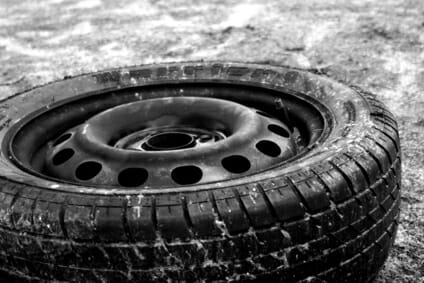
How to Rotate Steel Belted Radial Tires
It is important to know how to rotate steel belted radial tires correctly. This will help extend the life of your tires and save you money in the long run. The first step is to jack up the vehicle and remove the wheels.
Once the wheels are off, you will need to look at the tread pattern on each tire. You want to make sure that the tread pattern is facing the correct way before you start to rotate them.
- Park your vehicle on a level surface and set the parking brake
- Place wheel chocks in front of and behind the rear wheels to prevent the vehicle from rolling while you’re working
- Loosen each lug nut on the rear wheels with a lug wrench, but don’t remove them yet
- Jack up the rear of the vehicle with a floor jack and support it with jack stands placed under the frame rails near the rear wheels
- Remove the lug nuts and then pull off the rear wheels one at a time
- Inspect each tire to look for any signs of wear or damage, and replace them if necessary before proceeding further
- If you’re happy with their condition, move on to step 7 below
- Take each tire and turn it 180 degrees so that the tread pattern is reversed from its current orientation before reinstalling it on the wheel hub
- For instance, if there’s currently an “L” shaped tread pattern visible when looking at each tire head-on, it should now look like an upside-down “L” after rotating them
- Put each wheel back onto its respective hub and hand-tighten The lug nuts before lowering The vehicle back down to The ground
- Once The vehicle is back on level ground, finish tightening The lug nuts securely with The lug wrench in a star pattern until they’re all snug
How to PROPERLY Rotate Your Tires
Can You Cross Rotate Radial Tires?
Radial tires are designed to be mounted on wheels with the tire’s beads seated firmly on the wheel flanges. The bead seats for a radial tire must be precisely located to allow the proper operation of the tire. Therefore, it is not recommended to cross rotate radial tires.
How Do You Rotate 4 Wheels With Radials?
Assuming you would like tips on how to rotate your tires:It is recommended that you rotate your tires every 5,000 miles to help ensure even tire wear. This can help extend the life of your tires and improve their performance.
When rotating your tires, it is important to match the correct wheel position with the correct tire position.If you have a front-wheel drive vehicle, start by placing the front wheels at the back of the vehicle in the same position they occupied at the front. The rear wheels should then be moved forward and placed in the position occupied by thefront wheels.
For a rear-wheel drive vehicle, begin by puttingthe rear wheels in the front position wherethe fronts were previously located. Then movethe fronts to wherethe rearswere situated.Ifyou have all-wheel drive or 4-wheel drive,it’s still bestto keepthe original pattern whenrotating(for example, don’t puta front wheelwherea rear was).
However, some peoplerecommend thatyou putthe diagonally oppositewheelsin placeof each other (switchingfromfront rightto rear leftand so on).
Are All Radial Tires Directional?
Radial tires are designed to be mounted with the tire bead seated on the wheel rim and the tire carcass ply cords running at a 90-degree angle to the plane of the wheel rim. This design enables radial tires to carry heavy loads and speeds, while providing a smooth ride. The other main type of passenger car tire is the bias ply tire, in which the carcass plies are laid at an angle less than 90 degrees to the plane of the wheel rim.
Bias ply tires have been phased out of most passenger cars in favor of radial tires because they don’t last as long and provide a rougher ride.Most radial tires are directional, meaning that they should only be installed with the tread rotation arrows pointing in one direction. The purpose of this is to ensure that water is displaced effectively when driving in wet conditions, providing good traction and preventing hydroplaning.
Some non-directional radial tires are available, but these are not as common. If you’re unsure whether your radial tires are directional or not, consult your owner’s manual or vehicle handbook before installation.

Credit: mechanics.stackexchange.com
How to Rotate Radial Tires on All-Wheel Drive
Most all-wheel drive vehicles need all four tires to be the same size and have the same tread depth. That’s why it’s important to rotate radial tires on an all-wheel drive vehicle every 5,000 miles or so. Here are some tips on how to rotate radial tires on an all-wheel drive:
1. Park your vehicle on a level surface and set the parking brake.
2. Loosen the lug nuts on each tire with a lug wrench (but don’t remove them).
3. Using a jack, lift up each corner of the vehicle one at a time and place a jack stand underneath it for support.
4. Remove the lug nuts and carefully take off each tire (don’t let the tires hang from the suspension as this could damage them).
5. Starting with either the front left or front right tire, place it on either the back left or back right position – make sure that you don’t put two tires with similar wear patterns next to each other though!
6. Put the lug nuts back on finger-tight before lowering your vehicle down – then use your wrench to tighten them fully once your vehicle is resting on its own weight again.
7. Repeat this process for each remaining tire until they’re all in their new positions!
Conclusion
Most passenger vehicles come equipped with steel belted radial tires. These tires offer a number of advantages over other types, such as longer tread life and improved fuel economy. However, they can also be more expensive.
One important factor in getting the most out of your steel belted radial tires is to rotate them on a regular basis. This helps to even out the wear and tear on the tires, which can otherwise lead to premature tread wear.There are a few different ways to rotate your steel belted radial tires.
The most common method is to simply swap the front and rear tires. This is fine if your vehicle has symmetrical tire wear. However, if one side of the vehicle tends to experience more wear than the other (due to factors like driving habits or alignment), then you may need to use a more specific rotation pattern.
Your owner’s manual should have information on recommended tire rotation patterns for your particular vehicle. If not, you can always consult with a qualified mechanic or tire professional for help choosing the best pattern for your needs.
How Much Does It Cost to Install 4 Tires
The cost of a tire can range anywhere from $50 to over $200. So, how much does it cost to install 4 tires? It really depends on the quality of the tire and where you have it installed.
Generally speaking, you can expect to pay around $100-$120 per tire to have them professionally installed.
It can cost anywhere from $200 to $600+ to install 4 new tires on your vehicle. The price will depend on the type of tires you choose, as well as the labor costs associated with installation. If you’re looking to save money, it’s always best to compare prices between different tire shops before making a purchase.
You may also be able to find discounts or coupons online that can help offset the cost of new tires.
How Much Does It Cost to Mount And Balance 4 Tires
The cost of mounting and balancing four tires can vary depending on the type of vehicle you drive and the size of your tires. Generally, the average cost for a basic sedan is between $60 and $100. For SUV’s and trucks, the average cost is between $100 and $200.
If you have a luxury car or performance vehicle, the cost can be upwards of $300. There are many factors that contribute to the cost of mounting and balancing tires, such as:– The type of tire (e.g., all-season, winter, performance)
– The size of the tire (e.g., 16″, 17″, 18″)
– The weight of the tire (e.g., 30 lbs., 35 lbs.)
– The width of the tire (e.g., 225 mm., 235 mm.)
– The speed rating of the tire (e.g., H [130 mph], V [149 mph])typically need to be mounted on special machines that can accommodate their size and weight. Therefore, it’s important to know the specifications of your tires before taking them in to be mounted and balanced.
Average Cost of Tires And Installation
If you’ve ever had to purchase new tires, you know that it can be a costly endeavor. The average cost of a new tire is between $50 and $200, with installation costing an additional $25 to $100. The total cost will vary depending on the type of tire you need, as well as the size and make of your vehicle.
There are a few things to keep in mind when budgeting for new tires. First, if you have an all-wheel drive or four-wheel drive vehicle, you’ll likely need to replace all four tires at once. Second, unless you’re planning on doing the work yourself, factor in the cost of labor when budgeting for your new tires.
Finally, remember that the more expensive the tire, the longer it will usually last; so while a higher upfront cost may seem daunting, it could save you money in the long run.Whether you’re replacing one tire or all four, be sure to do your research and shop around for the best deal on both tires and installation. By taking these factors into consideration, you can ensure that you get the best bang for your buck when it comes to new tires!
How Much Does It Cost to Install Tires at Walmart
If you’re looking to save money on tire installation, Walmart is a great option. The cost for tire installation at Walmart is just $12 per tire. That’s a great price considering many other places charge $25 or more for the same service.
Plus, if you purchase your tires from Walmart, they’ll give you a $10 discount on the installation fee. So it’s really a win-win situation.
Pep Boys Tire Installation Cost
If you’re looking to get new tires installed, you may be wondering how much it will cost. Pep Boys is a popular tire retailer and they offer several different installation options. Here’s a breakdown of the different Pep Boys tire installation costs:
Standard Installation: $40 per tire
lifetime balance and rotation: $7 per tire (includes first time)
nitrogen fill: $5 per tire (optional)
disposal fee: $2.50 per tire
Shop supplies fee: $1.99 per service order
Taxes and fees may vary by location.
Pep Boys also offers mobile installation services starting at $129.99 for up to 4 tires. This includes standard installation, lifetime balance and rotation, as well as disposal fees. Mobile service is available in select markets only.
So, there you have it! Those are the Pep Boys tire installation costs for both in-store and mobile services. Be sure to factor in any additional taxes or fees that may apply to your specific location.
And if you’re looking for a deal, check out Pep Boys’ current coupons and specials before you book an appointment.
Cost of 4 New Tires at Walmart
Walmart is one of the most popular places to buy tires. They offer a variety of brands and types of tires to choose from. You can typically find good deals on tires at Walmart, but it is important to know the cost of four new tires before you make your purchase.
The cost of four new tires at Walmart will depend on the brand and type of tire that you choose. The cheapest option would be to purchase four basic passenger car tires. These can start as low as $50 per tire.
If you are looking for a more premium option, such as all-terrain or winter tires, you can expect to pay around $100-$200 per tire.Of course, the final cost will also depend on any sales or promotions that are going on at the time of your purchase. It is always a good idea to check for coupons or discounts before buying anything at Walmart.
With a little bit of planning, you should be able to get a great deal on new tires!

Credit: www.goodyear.com
How Much Does It Cost to Put on 4 New Tires?
It typically costs between $200 and $400 to put on 4 new tires. This cost will depend on the type of tire being purchased as well as the labor costs associated with installing them.
How Much Does It Cost to Put 4 Tires on Rims?
It typically costs between $100 and $200 to put four tires on rims. The cost will vary depending on the type of vehicle, the size of the tires, and the type of rims. Many tire shops will offer discounts if you purchase all four tires at once.
How Much Should It Cost to Mount And Balance 4 Tires?
It typically costs between $40 and $100 to mount and balance 4 tires. The exact cost will depend on the tire size, type, and make, as well as the vehicle model. Balancing involves adding weights to the wheel assembly so that it spins evenly.
This is important because an unbalanced wheel can cause vibration and premature wear. Mounting simply means attaching the tires to the wheels.
How Much Should It Cost to Put New Tires on a Car?
It depends on the car and the tires. For a basic sedan, it should cost between $600 and $1,000 to replace all four tires. This price range will increase for larger vehicles, like SUVs or trucks.
The type of tire also affects the price. All-season tires are typically less expensive than winter tires or performance tires. When shopping for new tires, be sure to compare prices at different stores before making a purchase.
Store W's total expenses for selling and installing 4 tires is $100. Which function represents….
Conclusion
If you’re looking to install four new tires, it’ll generally cost you between $200 and $400. Pricing will vary depending on the make and model of your vehicle, as well as the type of tire you choose. Labor costs will also play a role in how much it costs to get four new tires installed.
{ “@context”: “https://schema.org”, “@type”: “FAQPage”, “mainEntity”:[{“@type”: “Question”, “name”: “How Much Does It Cost to Put on 4 New Tires? “, “acceptedAnswer”: { “@type”: “Answer”, “text”: ”It typically costs between $200 and $400 to put on 4 new tires. This cost will depend on the type of tire being purchased as well as the labor costs associated with installing them.” } } ,{“@type”: “Question”, “name”: “How Much Does It Cost to Put 4 Tires on Rims? “, “acceptedAnswer”: { “@type”: “Answer”, “text”: ”It typically costs between $100 and $200 to put four tires on rims. The cost will vary depending on the type of vehicle, the size of the tires, and the type of rims. Many tire shops will offer discounts if you purchase all four tires at once.” } } ,{“@type”: “Question”, “name”: “How Much Should It Cost to Mount And Balance 4 Tires? “, “acceptedAnswer”: { “@type”: “Answer”, “text”: ”It typically costs between $40 and $100 to mount and balance 4 tires. The exact cost will depend on the tire size, type, and make, as well as the vehicle model. Balancing involves adding weights to the wheel assembly so that it spins evenly. This is important because an unbalanced wheel can cause vibration and premature wear. Mounting simply means attaching the tires to the wheels.” } } ,{“@type”: “Question”, “name”: “How Much Should It Cost to Put New Tires on a Car? “, “acceptedAnswer”: { “@type”: “Answer”, “text”: ”It depends on the car and the tires. For a basic sedan, it should cost between $600 and $1,000 to replace all four tires. This price range will increase for larger vehicles, like SUVs or trucks. The type of tire also affects the price. All-season tires are typically less expensive than winter tires or performance tires. When shopping for new tires, be sure to compare prices at different stores before making a purchase.” } } ] }
How Much Does Big O Tires Charge to Install Tires
If you’re looking to install new tires, you might be wondering how much it will cost. Big O Tires is a popular tire retailer and they offer a few different options when it comes to installation. Here’s a look at the different installation charges you can expect from Big O Tires.
Big O Tires is one of the largest tire retailers in the United States, and they offer a variety of services to their customers. One of those services is tire installation. So, how much does Big O Tires charge to install tires?
The answer may surprise you – it depends on the type of tires you need installed. For example, if you need four new passenger or light truck tires installed, Big O Tires charges $99. That includes mounting, balancing, valve stems, and disposing of your old tires.
If you need just two new tires installed, the price drops down to $59.Of course, these prices may vary depending on your location. And if you need other services like a tire rotation or flat repair done at the same time as your tire installation, that will increase the price accordingly.
But overall, Big O Tires is fairly priced for tire installation compared to other retailers out there.
Save $100 On Tires & Get A 3 Year Warranty – Sale Ends 10/9/22
Cost to Install New Tires
Are you looking to install new tires on your car? If so, then you’re likely wondering how much it’s going to cost. The cost of installing new tires will vary depending on a few different factors, such as the type of tire you choose and the make and model of your car.
In general, though, you can expect to pay anywhere from $50 to $200 per tire for installation.If you’re looking for the cheapest option, then you can probably get away with just paying for labor costs – that is, the cost of having someone physically install the tires on your car. This will usually run you about $15 to $25 per tire.
However, if you want a more comprehensive service, then you’ll likely be paying closer to $50 per tire. This price includes not only labor costs, but also disposal fees for your old tires and balancing/alignment services.Of course, these are just general estimates – the actual cost of installing new tires on your car will ultimately depend on the specific circumstances involved.
To get an accurate quote for your situation, it’s best to consult with a professional automotive technician or service center.
Does Big O Tires Fill Tires for Free
Most people are familiar with the big, red “O” of Big O Tires. What they may not know is that, in addition to selling and servicing tires, this national chain also offers a free tire-filling service. That’s right – if you need air in your tires, you can stop by any Big O Tires location and they will fill them up for you, no charge.
This policy applies to all customers, regardless of whether you have purchased tires from them or not. All you need to do is pull into one of their bays and let the technician know that you need air. They will quickly and efficiently get your tires filled up so you can be on your way.
If you’re not sure where your nearest Big O Tires location is, simply head to their website and use the store locator tool. With over 400 locations across the United States, there’s sure to be one near you. So next time your tires are looking a little low, remember that Big O Tires is always happy to help out – for free!
Big O Tires near Me
If you’re looking for a great place to get your tires serviced, look no further than Big O Tires. With locations all across the country, there’s sure to be a Big O Tires near you.At Big O Tires, we provide a variety of services to keep your car running smoothly.
We can rotate and balance your tires, align your suspension, and even change your oil. Plus, we offer a wide selection of tires from top brands like Michelin, Goodyear, and BFGoodrich.No matter what type of service you need, our experienced technicians are here to help.
So if you’re in need of some tire maintenance or repair, be sure to stop by Big O Tires. We’ll get you back on the road in no time!
Does Big O Tires Take Walk Ins
If you’re in need of new tires, or even just a tire rotation, and you’re wondering if Big O Tires takes walk-ins, the answer is yes! You don’t need an appointment to stop into any of our locations. We welcome all customers, whether you have an appointment or not.
We understand that sometimes your car can have issues unexpectedly and you may not have time to schedule an appointment. That’s why we always try to accommodate walk-ins as best as we can. However, during our busy times it may be necessary for us to ask you to schedule an appointment so that we can get your car taken care of in a timely manner.
Whether you have an appointment or not, we’ll do our best to get your car serviced as quickly as possible so that you can get back on the road safely.

Credit: wallethub.com
How Much Should Tire Install Cost?
If you’re looking to get new tires installed, you might be wondering how much it’s going to cost. The answer can vary depending on a few different factors, but in general, you can expect to pay anywhere from $50 to $100 per tire for installation.One of the biggest factors that will affect the price of your tire installation is the type of tire you’re getting.
If you’re just getting regular passenger car tires, then the cost will be on the lower end of that range. However, if you need specialty tires like those used for RVs or off-road vehicles, then the cost will be higher.Another factor that can affect the cost is where you get your tires installed.
Some places, like big box stores, may offer lower prices than others. But it’s important to make sure that wherever you go, they have experienced technicians who know how to properly install your tires. Otherwise, you could end up with problems down the road.
So how much should tire installation cost? It really depends on a few different things. But in general, expect to pay between $50 and $100 per tire for a professional installation by experienced technicians.
How Much Does It Cost to Get 4 Tires Mounted?
It typically costs around $40-$60 to have 4 tires mounted, depending on the tire size and type. The average cost per tire is $10-$15.
How Much Does It Cost to Put Wheels on Tires?
It costs between $40 and $80 to have a professional put wheels on your tires. The price depends on the type of tire, the size of the tire, and the geographical location. If you do it yourself, it will cost you less than $20.
Does Walmart Charge Extra for Tire Installation?
If you’re looking to get new tires installed, Walmart is a great option. They offer competitive pricing on both the tires and the installation. And, unlike some other tire retailers, they won’t charge you extra for the installation.
So, if you’re looking for a good deal on tires and installation, Walmart is definitely worth checking out.
Conclusion
If you’re looking to have new tires installed, Big O Tires is a great option. They offer competitive pricing and have a wide variety of tire options to choose from. Installation costs will vary depending on the type of tires you select, but generally start around $40 per tire.
{ “@context”: “https://schema.org”, “@type”: “FAQPage”, “mainEntity”:[{“@type”: “Question”, “name”: “How Much Should Tire Install Cost? “, “acceptedAnswer”: { “@type”: “Answer”, “text”: ”If you’re looking to get new tires installed, you might be wondering how much it’s going to cost. The answer can vary depending on a few different factors, but in general, you can expect to pay anywhere from $50 to $100 per tire for installation.One of the biggest factors that will affect the price of your tire installation is the type of tire you’re getting. If you’re just getting regular passenger car tires, then the cost will be on the lower end of that range. However, if you need specialty tires like those used for RVs or off-road vehicles, then the cost will be higher.Another factor that can affect the cost is where you get your tires installed. Some places, like big box stores, may offer lower prices than others. But it’s important to make sure that wherever you go, they have experienced technicians who know how to properly install your tires. Otherwise, you could end up with problems down the road.So how much should tire installation cost? It really depends on a few different things. But in general, expect to pay between $50 and $100 per tire for a professional installation by experienced technicians.” } } ,{“@type”: “Question”, “name”: “How Much Does It Cost to Get 4 Tires Mounted? “, “acceptedAnswer”: { “@type”: “Answer”, “text”: ”It typically costs around $40-$60 to have 4 tires mounted, depending on the tire size and type. The average cost per tire is $10-$15.” } } ,{“@type”: “Question”, “name”: “How Much Does It Cost to Put Wheels on Tires? “, “acceptedAnswer”: { “@type”: “Answer”, “text”: ”It costs between $40 and $80 to have a professional put wheels on your tires. The price depends on the type of tire, the size of the tire, and the geographical location. If you do it yourself, it will cost you less than $20.” } } ,{“@type”: “Question”, “name”: “Does Walmart Charge Extra for Tire Installation? “, “acceptedAnswer”: { “@type”: “Answer”, “text”: ”If you’re looking to get new tires installed, Walmart is a great option. They offer competitive pricing on both the tires and the installation. And, unlike some other tire retailers, they won’t charge you extra for the installation. So, if you’re looking for a good deal on tires and installation, Walmart is definitely worth checking out.” } } ] }
How Much Air Should Be in a Car Tire
Car tires are one of the most important parts of a car, and they need to be properly inflated in order to function correctly. But how much air should be in a car tire? The answer is not as simple as it may seem.
There are a variety of factors that can affect how much air should be in a car tire, including the type of tire, the size of the tire, the weight of the vehicle, and even the climate. In general, though, most car tires should have between 30 and 35 PSI (pounds per square inch).
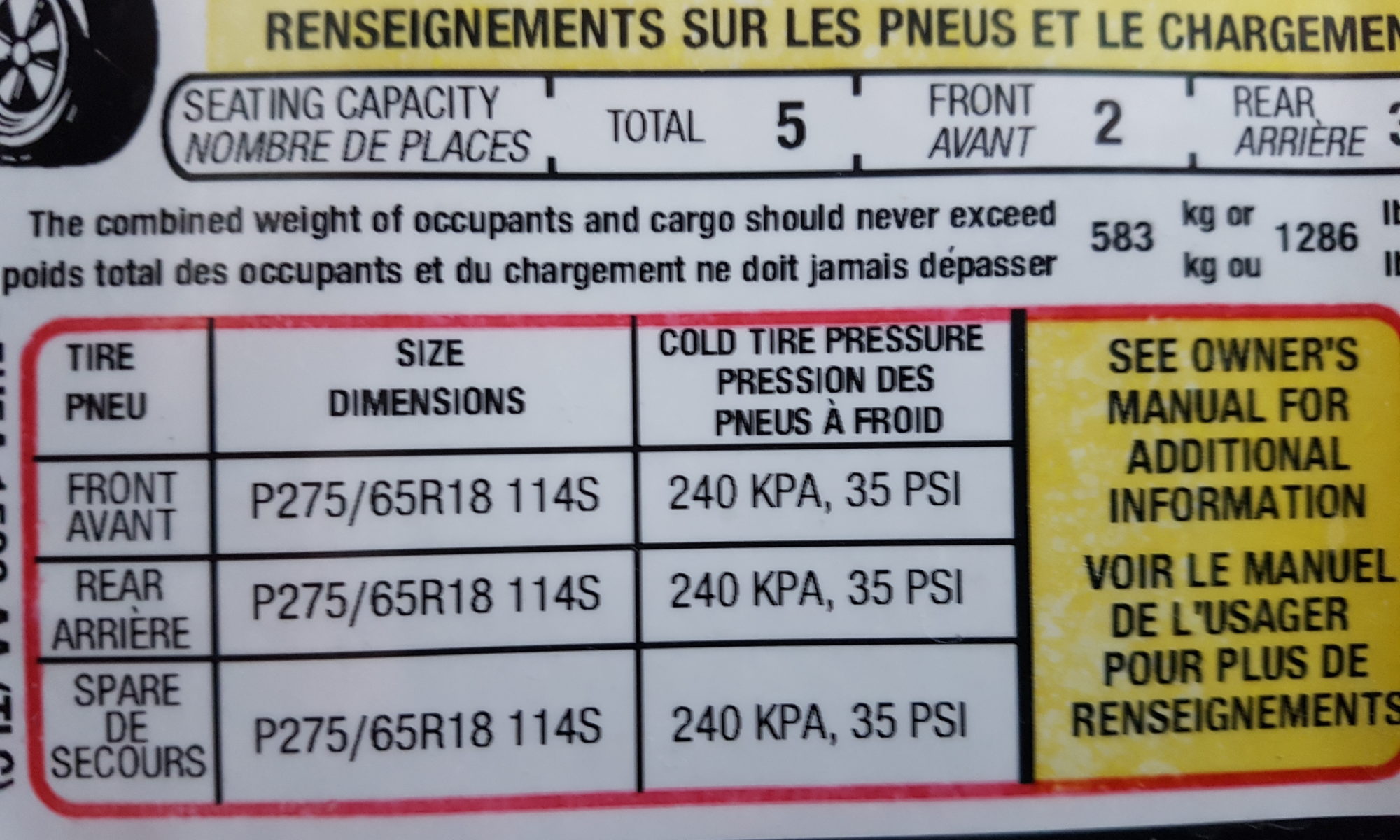
Most carmakers recommend 32 to 35 PSI for passenger car tires. The recommended pressure is usually molded into the tire’s sidewall. You can also find it in your vehicle owner’s manual or on a placard on the driver’s doorjamb or glove compartment.
Higher numbers mean more air and, as a result, a harder tire.
Credit: www.a1tireandbattery.com
Is 40 Psi Too High for Tires?
No, 40 PSI is not too high for tires. In fact, most passenger vehicles recommend tire inflation between 30 and 35 PSI. The exception to this would be if you have a particularly heavy load in your vehicle or are driving on rough roads, in which case inflating your tires to 40 PSI may give you a smoother ride.
How Much Air Should I Put in My Tires Car?
It is important to have the correct amount of air in your tires. This will help with gas mileage and how the car handles. The proper amount of air pressure in a tire is typically between 32-36 PSI.
You can check your car’s owner manual to see what the manufacturer recommends for your specific vehicle.
How Much Air is Too Low in a Tire?
It is generally recommended that tires be inflated to the manufacturer’s specifications. Under-inflation can lead to a number of problems, including decreased fuel efficiency, increased tire wear, and reduced handling and stability.If a tire is under-inflated by just 10%, it can reduce fuel economy by up to 4%.
More significantly, under-inflation can cause premature tread wear and increased heat build-up in the tire, which can lead to blowouts. Finally, under-inflated tires are more susceptible to sidewall damage from potholes and other road hazards.In short, it is important to keep your tires properly inflated to avoid any potential problems.
If you’re unsure of how much air to put in your tires, consult your vehicle’s owner’s manual or the manufacturer’s website.
Is 37 Too Much Air in a Tire?
37 psi is the recommended tire pressure for most cars. However, it is possible to have too much air in a tire. If a tire is inflated to more than 37 psi, it can burst.
This can cause serious injury or even death.
What is the Proper Tire Pressure?
Car Tyre Air Pressure Front And Rear
Car tyre air pressure is one of the most important aspects of maintaining your vehicle. Incorrect tyre pressure can lead to a number of problems including decreased fuel efficiency, increased wear and tear on tyres and suspension components, and even accidents.Most car manufacturers will have specific recommendations for optimal front and rear tyre pressures.
These can be found in your owner’s manual or on a sticker inside the driver’s door frame. It’s important to check your tyre pressure at least once a month, and before long trips.To check your car’s tyre pressure, you will need a digital or analogue tyre pressure gauge.
You can find these at most auto parts stores. Simply remove the cap from the valve stem on each tyre and press the gauge onto the valve stem until you hear or feel it click into place. The gauge will then give you a reading in psi (pounds per square inch).
Compare this to the manufacturer’s recommendations to see if your tyres are inflated properly. If they’re not, use an air compressor or hand pump to add or release air until you reach the correct level. Don’t forget to put the caps back on!
It’s also important to know that different types of tyres require different amounts of air pressure. For example, winter tyres generally require higher pressures than summer tyres do.
What Should Your Tire Pressure Be in the Summer
We all know that hot weather can do a number on our car batteries, but did you know that it can also affect your tires? The heat can cause the air inside your tires to expand, which means your tire pressure will go up. So what should your tire pressure be in the summer?
The answer isn’t as simple as it might seem. The ideal tire pressure for your vehicle depends on a number of factors, including the type of vehicle you drive, the weight of your vehicle, and even the ambient temperature. That said, there are some general guidelines you can follow.
If you’re driving a passenger car or light truck, the recommended tire pressure is typically between 30 and 35 psi (pounds per square inch). If you’re driving a heavier vehicle such as an SUV or van, you may need to inflate your tires to a higher pressure, usually between 35 and 40 psi. And if you live in an area with extremely high temperatures, you may need to adjust your tire pressure even further.
Of course, it’s always best to consult your owner’s manual for specific instructions. But following these general guidelines should help ensure that your tires are properly inflated all summer long!
How Close to Max Psi Should Your Tires Be
If you’re like most people, you probably don’t give much thought to your car’s tires. But did you know that keeping your tires properly inflated is one of the easiest ways to improve your gas mileage? It’s true!
Under-inflated tires can lower your fuel economy by up to 3%.So how do you know if your tires are properly inflated? The best way is to check the pressure with a tire gauge at least once a month.
You can find the recommended tire pressure for your car in the owner’s manual or on a placard located on the driver’s door or doorjamb.When checking your tire pressure, be sure to do so when the tires are cold (i.e., before they’ve been driven). This is because as the tires heat up from driving, they expand and their pressure increases.
If you check them when they’re hot, you may get a false reading that leads you to think they’re fine when they’re actually not.Once you know what the proper pressure is for your car’s tires, inflate them accordingly. Most gas stations have air pumps that you can use for this purpose.
Just be sure to put in enough money (usually 25-50 cents) to get the desired amount of air into each tire. And don’t overdo it – inflating your tires beyond their recommended level can also lead to decreased fuel economy and even premature wear and tear on the tire treads.
Tire Pressure on Tire
The proper tire pressure for your car’s tires is important for a number of reasons. First, it can help improve your gas mileage. Second, it can extend the life of your tires.
Third, it can help you avoid a blowout. Fourth, it can improve the handling of your car.If you’re not sure what the proper tire pressure is for your car, consult the owner’s manual or look for a sticker inside the driver’s door frame that lists the recommended tire pressure levels.
Once you know what those numbers are, use a tire gauge to check the air pressure in each of your tires and inflate or deflate them as needed to reach the optimal level.It’s also important to check your tire pressure on a regular basis and before long trips. That way you can catch any potential problems early on and keep yourself – and your passengers – safe on the road.
Conclusion
It’s important to have the right amount of air in your car tires. If they’re underinflated, they can overheat and fail. If they’re overinflated, they can wear out too quickly.
Here’s how to know how much air should be in a car tire.
How Much Air Should I Put in My Tires
If you’re like most people, you probably don’t think much about your tires. But if you want to get the most out of your vehicle, it’s important to keep them properly inflated. Here’s a quick guide to help you determine how much air to put in your tires.
Most passenger vehicles have tire pressure recommendations that are listed on a sticker inside the driver’s door. If your vehicle doesn’t have this sticker, you can usually find the recommended tire pressure in the owner’s manual. Once you know the recommended pressure for your tires, use a tire gauge to check the current pressure.
If you’re like most people, you probably don’t think much about your car’s tires. But did you know that making sure your tires are properly inflated is one of the simplest and most effective ways to improve your gas mileage?It’s true!
Under-inflated tires can cost you money and damage your car. So how do you know how much air to put in your tires?The answer is actually pretty simple.
Just check the owner’s manual for your vehicle. Most cars have a recommended tire pressure listed somewhere in the manual. If you can’t find it there, try looking on the inside of the driver’s door (where the handle is).
There should be a sticker with the recommended tire pressure listed there.Once you know the recommended pressure for your car, simply use a tire gauge to check the pressure of each tire and add air as needed. It’s important to check all four tires, even if only one looks low.
That way, all four tires will be at the same pressure and will wear evenly over time.Adding air to your tires is easy and only takes a few minutes. Plus, it could save you money at the pump!

Credit: www.suburbantire.com
Is 40 Psi Too High for Tires?
It is not uncommon for people to ask if 40 PSI is too high for tires. The answer to this question is not as simple as a yes or no. While 40 PSI may be within the acceptable range for some tires, it could be too high for others.
It all depends on the specific tire in question and its recommended inflation levels.For example, some passenger car tires can be safely inflated to 40 PSI, while others may need to be inflated to a lower pressure level such as 35 PSI. The same goes for truck and SUV tires.
Some models can handle higher inflation levels than others.To determine the correct inflation level for your tires, you’ll need to consult the owner’s manual or look up the information online. Once you know the recommended range, stick to the lower end of that scale unless you have a good reason to inflate your tires to a higher pressure (such as heavy loads or extreme conditions).
In general, it’s best not to exceed the maximum inflation rating printed on the sidewall of your tires. Doing so could cause premature wear and tear or even failure. So if you’re unsure about what pressure level is best for your tires, err on the side of caution and keep things closer to the lower end of the spectrum.
How Do You Know How Much Air to Put in Tires?
It’s important to know how much air to put in your tires because too little or too much air can lead to problems. Too little air can cause the tire to overheat and possibly fail, while too much air can make the ride uncomfortable and damage the tire.The amount of air that you should put in your tires depends on a few factors, such as the type of vehicle you’re driving, the load you’re carrying, and the conditions you’ll be driving in.
You can usually find this information in your vehicle’s owner’s manual or on a sticker inside the driver’s door. If you’re unsure, it’s always best to err on the side of caution and inflate your tires to the higher number listed.Once you know how much air should be in your tires, check them regularly with a tire gauge to ensure they’re properly inflated.
It’s also a good idea to visually inspect your tires before each drive for any signs of wear or damage.
Is 50 Psi Too Much for Tires?
No, 50 PSI is not too much for tires. In fact, most passenger car tires are designed to be inflated to between 30 and 35 PSI. The extra 15 PSI of pressure in your tires will just give you a little bit more cushioning and a smoother ride.
It’s not going to harm your tires or your car in any way.
Should Tires Be Filled to Max Psi?
It is important to fill your tires to the maximum PSI (pounds per square inch) rating as specified by the manufacturer. This number can be found on the tire’s sidewall. Over or under-inflated tires can lead to a loss of control and blowouts.
Under-inflated tires create more rolling resistance, which causes the engine to work harder and decreases fuel efficiency. They also wear out quicker and are more susceptible to punctures and other damage.Over-inflated tires ride harshly, decrease traction, and make it more difficult to brake effectively.
They also increase the chance of a blowout if they hit a pothole or other object in the road.The best way to maintain proper tire pressure is to check them regularly with a gauge and inflate or deflate as needed.
What Is The Correct Tire Pressure For Your Car? Fast & Easy!
What Should My Tire Pressure Be in Summer
When the weather gets warmer, your car’s tire pressure rises. You might think this is a good thing, but it can actually lead to problems. Overinflated tires can make your car harder to handle and can cause premature wear.
Here’s what you need to know about summer tire pressure.The ideal tire pressure for summer driving is around 32 psi. That’s just slightly higher than the recommended pressure for winter driving, which is 30 psi.
Keep in mind that your car’s tires will lose about 1 psi for every 10 degrees of temperature change. So, if you live in an area that gets very hot in the summer (100+ degrees), you’ll want to check your tire pressure more frequently and inflate them accordingly.If you’re not sure what PSI (pounds per square inch) means, it’s simply a measure of how much air is in your tires.
The right amount of air helps keep your tires properly inflated, which gives you better gas mileage and a smoother ride. It also helps prevent flats and blowouts. So, if you’re unsure about what PSI to use in the summer months, err on the side of caution and go with a slightly higher number.
How Close to Max Psi Should Your Tires Be
Your car’s tires are one of the most important safety features, so it’s important to make sure they’re properly inflated. Overinflated tires can burst and cause an accident, while underinflated tires can cause a blowout.The maximum psi for your tires is listed on the sidewall of the tire.
For example, a tire with a max psi of 35 means that the tire can safely be inflated to 35 pounds per square inch.Most passenger cars have tires with a max psi between 30 and 35. SUV and truck tires may have a higher max psi, usually between 45 and 60.
It’s best to check your tire pressure at least once a month, using a reliable digital tire gauge. You can also have your local service station check your tire pressure for you when you get your oil changed or other routine maintenance done.
Is 40 Psi Good Tire Pressure
If you’re wondering whether 40 psi is a good tire pressure, the answer is: it depends. This number isn’t necessarily ideal for all vehicles or driving conditions, but it’s a starting point that’s often used as a standard.The main thing to keep in mind is that your tires should be inflated to the manufacturer’s recommended level.
You can usually find this information in your owner’s manual or on a sticker inside the driver’s door. From there, you can adjust accordingly based on factors like load, speed, and weather conditions.In general, higher psi levels are better for highway driving and lower levels are better for city streets or off-roading.
If you’re carrying extra weight in your vehicle (like passengers or cargo), you’ll also want to inflate your tires slightly more than usual. And if you live in an area with extreme temperatures, it’s important to keep an eye on your tire pressure year-round – both too high and too low can cause problems.So, while 40 psi may be a good starting point for some vehicles and situations, be sure to tailor your tire pressure to meet your specific needs.
Tire Pressure on Tire
Tire pressure is one of the most important aspects of tire safety. If your tires are not inflated to the proper pressure, they can wear out prematurely or even blow out while you are driving. This can lead to a serious accident.
It is important to check your tire pressure regularly, and before every long drive. You can check the pressure with a tire gauge, or by looking at the sidewall of the tire. The proper pressure for your tires will be listed there.
If you notice that your tires are low on air, add air until they reach the proper level. You should also have your tires inspected by a professional if you notice any unusual wear patterns.
Conclusion
If you’re wondering how much air to put in your tires, you’re not alone. It’s a common question, and one that doesn’t have a simple answer. The amount of air you should put in your tires depends on a few factors, including the type of tire, the size of the tire, and the vehicle.
{ “@context”: “https://schema.org”, “@type”: “FAQPage”, “mainEntity”:[{“@type”: “Question”, “name”: “Is 40 Psi Too High for Tires? “, “acceptedAnswer”: { “@type”: “Answer”, “text”: ”It is not uncommon for people to ask if 40 PSI is too high for tires. The answer to this question is not as simple as a yes or no. While 40 PSI may be within the acceptable range for some tires, it could be too high for others. It all depends on the specific tire in question and its recommended inflation levels.For example, some passenger car tires can be safely inflated to 40 PSI, while others may need to be inflated to a lower pressure level such as 35 PSI. The same goes for truck and SUV tires. Some models can handle higher inflation levels than others.To determine the correct inflation level for your tires, you’ll need to consult the owner’s manual or look up the information online. Once you know the recommended range, stick to the lower end of that scale unless you have a good reason to inflate your tires to a higher pressure (such as heavy loads or extreme conditions).In general, it’s best not to exceed the maximum inflation rating printed on the sidewall of your tires. Doing so could cause premature wear and tear or even failure. So if you’re unsure about what pressure level is best for your tires, err on the side of caution and keep things closer to the lower end of the spectrum.” } } ,{“@type”: “Question”, “name”: “How Do You Know How Much Air to Put in Tires? “, “acceptedAnswer”: { “@type”: “Answer”, “text”: ”It’s important to know how much air to put in your tires because too little or too much air can lead to problems. Too little air can cause the tire to overheat and possibly fail, while too much air can make the ride uncomfortable and damage the tire.The amount of air that you should put in your tires depends on a few factors, such as the type of vehicle you’re driving, the load you’re carrying, and the conditions you’ll be driving in. You can usually find this information in your vehicle’s owner’s manual or on a sticker inside the driver’s door. If you’re unsure, it’s always best to err on the side of caution and inflate your tires to the higher number listed.Once you know how much air should be in your tires, check them regularly with a tire gauge to ensure they’re properly inflated. It’s also a good idea to visually inspect your tires before each drive for any signs of wear or damage.” } } ,{“@type”: “Question”, “name”: “Is 50 Psi Too Much for Tires? “, “acceptedAnswer”: { “@type”: “Answer”, “text”: ”No, 50 PSI is not too much for tires. In fact, most passenger car tires are designed to be inflated to between 30 and 35 PSI. The extra 15 PSI of pressure in your tires will just give you a little bit more cushioning and a smoother ride. It’s not going to harm your tires or your car in any way.” } } ,{“@type”: “Question”, “name”: “Should Tires Be Filled to Max Psi? “, “acceptedAnswer”: { “@type”: “Answer”, “text”: ”It is important to fill your tires to the maximum PSI (pounds per square inch) rating as specified by the manufacturer. This number can be found on the tire’s sidewall. Over or under-inflated tires can lead to a loss of control and blowouts.Under-inflated tires create more rolling resistance, which causes the engine to work harder and decreases fuel efficiency. They also wear out quicker and are more susceptible to punctures and other damage.Over-inflated tires ride harshly, decrease traction, and make it more difficult to brake effectively. They also increase the chance of a blowout if they hit a pothole or other object in the road.The best way to maintain proper tire pressure is to check them regularly with a gauge and inflate or deflate as needed.” } } ] }Jack Stands on Rear Axle
Jack stands are an important part of any garage or workshop. They allow you to safely support your vehicle while you work on it. Most jack stands are designed to be used on the rear axle, but there are a few different types that can be used on other parts of the vehicle as well.
When choosing a jack stand, it is important to consider its weight capacity, height, and stability.
If you own a car, it’s important to know how to properly use a jack stand. Many people think that they can just put the jack stand under the car and be done with it, but that’s not the case. The correct way to use a jack stand is to place it on the rear axle.
This might seem like an odd placement, but there’s a reason for it. The rear axle is one of the strongest parts of the car, so placing the jack stand there will give you the most support. Additionally, it’s important to make sure that the jack stand is level before you get under the car.
If it’s not level, then the car could potentially fall off of the jack stand and injure you.So next time you need to use a jack stand, remember to place it on the rear axle for maximum safety.
Where to Put Jack Stand under Car
When you’re working on your car, it’s important to know where to put the jack stands. Here’s a quick guide on where to place them for maximum safety.The front of the car: Place the jack stand under the frame rail behind the front wheel.
The rear of the car: Place the jack stand under the frame rail in front of the rear wheel.The side of the car: Place the jack stand under the door sill behind the front or rear wheel.

Credit: fiatspider.com
Can You Put Jack Stands on the Axle?
Yes, you can put jack stands on the axle. This is a common way to support the vehicle when performing maintenance or repairs. When using jack stands, be sure to place them on a firm, level surface and use caution when getting under the vehicle.
Can You Put a Jack on the Rear Axle?
If you need to raise the rear of your car, you may be wondering if you can use a jack on the rear axle. The answer is yes, but there are a few things to keep in mind.First, make sure that your jack is rated for the weight of your car.
Otherwise, it could collapse and cause serious injury or damage to your vehicle. Second, when you’re positioning the jack, take care not to put any strain on the suspension components. Place it on a solid surface like concrete instead.
And finally, when you’re actually lifting the car up with the jack, make sure that only one side is raised at a time. If you try to lift both sides simultaneously, it could throw off your car’s balance and cause it to tip over.
Where Should Jack Stands Be Placed?
When working on a vehicle, it is important to use jack stands to support the weight of the car. The placement of the jack stands is important for stability and safety.The front wheels should be placed on jack stands at the same time.
The rear wheels can be placed on jack stands one at a time. Jack stands should be placed under the frame of the car, as close to the wheel as possible.When all four wheels are on jack stands, the car will be stable and you will be able to work safely.
Where Do You Put a Rear Jack Stand?
If you’re working on your car, it’s important to know where to place your jack stands. Here’s a quick guide on where to put a rear jack stand:First, find the right spot for your stand.
The ideal location is usually near the control arm or trailing arm. Once you’ve found the perfect spot, chock the wheels and block the diagonally opposite wheel. This will keep your car from rolling while you work.
Next, use a floor jack to raise the rear of your car until the tire is just off the ground. Then place your jack stand under the frame and lower your car onto it. Make sure that the stand is stable before starting any work.
And that’s it! Now you know how to safely support your car while you work on it.
How To Properly Lift a Car on 4 Jack Stands
Conclusion
If you own a car, it’s important to know how to use jack stands. Jack stands are necessary when you need to work on the underside of your vehicle. They’re also helpful if you need to change a tire or do any other work that requires access to the underside of the car.
To use jack stands, first find a level spot on which to place them. Then, raise the car with a floor jack and place the jack stands under the rear axle. Make sure the jack stands are in contact with the metal of the axle, not just the rubber tires.
Once they’re in place, lower the car onto the jack stands and remove the floor jack.Now you can work on your car safely! Just be sure to always use caution when working underneath any vehicle.

How Much Does It Cost to Ship 4 Tires
It’s not cheap to ship 4 tires. In fact, it can cost upwards of $200 to have them shipped from one location to another. This is because tires are large and bulky items that require special care when transporting.
Shipping companies typically charge by the pound, so the heavier the shipment, the more it will cost. Additionally, shipping costs vary depending on the distance the tires need to be shipped. For example, it will cost more to ship 4 tires from New York City to Los Angeles than it would to ship them from New York City to Boston.
How to Sell Tires Online?
If you’re planning on shipping 4 tires, it’s important to know how much it will cost. Here are a few things to keep in mind:1. The size of the tires.
Shipping costs will vary depending on the size of the tires. Make sure to measure them before you ship so you can get an accurate quote.2. The weight of the shipment.
Heavier shipments will cost more to ship than lighter ones. This is something else to keep in mind when getting a quote.3. The distance the shipment has to travel.
Longer distances will obviously cost more than shorter ones. Keep this in mind when getting quotes from different shipping companies.4. The shipping company you choose.
Shipping Tires Fedex Cost
If you’re looking to ship tires, you might be wondering how much it will cost. The cost of shipping tires varies depending on the size and weight of the shipment, as well as the distance it’s traveling.For example, a small shipment of tires weighing less than 50 pounds can be shipped within the continental US for around $60.
But if you’re shipping a larger shipment of tires, or if your shipment is going to Alaska or Hawaii, the cost will be higher.To get an accurate estimate of your shipping costs, contact a FedEx representative or use their online quote tool.
Ups Shipping Tires Cost
If you’re looking to ship tires, you’ll need to know the UPS shipping costs. Here’s a breakdown of what you can expect to pay.For a standard shipment of four tires, it will cost around $120.
This includes the cost of shipping and handling. If you need your shipment expedited, it will cost an additional $60.When shipping tires, it’s important to package them properly.
You’ll want to use sturdy cardboard boxes that are specifically designed for tire shipments. Be sure to label the boxes clearly and include all the necessary information, such as your contact information and the destination address.UPS is one of the most reliable shipping companies out there, so you can rest assured that your shipment will arrive safely and on time.
Just be sure to factor in the cost of shipping when budgeting for your new tires!
Shipping Tires Usps
Most people don’t realize that you can ship tires through the United States Postal Service (USPS). In fact, shipping tires is a great way to save money on your next tire purchase. Here’s everything you need to know about shipping tires through the USPS.
When it comes to shipping tires, there are a few things to keep in mind. First, you’ll need to make sure the tires are properly packaged. This means using a heavy duty cardboard box and packing material such as bubble wrap or styrofoam peanuts.
Second, you’ll want to inflate the tires slightly before shipment so that they don’t get damaged in transit. Finally, be sure to label the package clearly with “FRAGILE” so that the USPS knows to handle with care.Once your tires are properly packaged, simply take them to your local post office and ship them via UPS or FedEx.
Shipping costs will vary depending on the size and weight of your package, but it’s generally very affordable. And that’s all there is to it! Now you know how to ship tires through the USPS – easy peasy!
Tire Shipping
Car tires are one of the most important parts of your vehicle, and regular maintenance is key to keeping them in good condition. If you’re planning on shipping your car, it’s important to take care of your tires first. Here are a few tips for tire shipping:
1. Check your tire pressure before shipping. Properly inflated tires will help prevent damage during transport.2. Make sure your tires are in good condition before shipping.
If they’re worn or damaged, they could fail during transport and cause an accident.3. Remove any objects from around the tires that could become loose and damage them during transit. This includes things like rocks, sticks, and debris.
4. If possible, ship your car on a flatbed trailer to avoid putting unnecessary stress on the tires. This is especially important if you’re shipping over long distances.5. Cover the tires with a protective material like blankets or towels to keep them clean and free of debris while in transit.
How to Ship Tires And Wheels
It’s no secret that big and bulky items can be tough to ship. And when it comes to shipping tires and wheels, this task can become even more challenging. But with a little bit of knowledge and the right preparation, you can get your tires and wheels shipped without any problems.
Here’s everything you need to know about shipping tires and wheels.When it comes to shipping tires and wheels, the most important thing is to make sure they are properly packaged. You don’t want your tires or wheels bouncing around during transit, so it’s important to use proper packaging materials.
Bubble wrap or packing peanuts are a great way to keep your tires and wheels protected during shipping.Another important tip is to label your package correctly. Be sure to include “FRAGILE” on the label so that your package is handled with care.
It’s also a good idea to include “DO NOT STACK” since stacking can damage tires and wheels. And finally, be sure to include all of your contact information in case there are any problems with the shipment.Once your package is ready, you need to choose a shipping method that will safely transport your tires and wheels.
The best option is usually freight shipping since this type of shipment offers extra protection for fragile items. However, this option can be more expensive than other methods like UPS or FedEx Ground. If you decide to go with another shipping method, just be sure that you insure your package for its full value so that you can be reimbursed if something happens during transit.
Now that you know how to ship tires and wheels, all that’s left is actually doing it! Just follow these tips and you should have no problem getting your shipment off without a hitch!
Credit: www.shippingschool.com
How Much Does It Cost to Ship a Tires?
It costs $20 to ship a single tire. If you have multiple tires, the cost will increase depending on how many you have. The more tires you have, the higher the shipping cost will be.
Can I Ship Tires With Usps?
Yes, you can ship tires with USPS. You’ll need to make sure that the tires are properly packaged so that they don’t get damaged in transit. You’ll also need to pay for shipping insurance to cover the cost of the tires in case they’re lost or damaged in transit.
Can I Ship Tires Via Ups?
Yes, you can ship tires via UPS. There are some things to keep in mind when doing so, however. First, make sure that the tires are properly inflated and that they are securely fastened to the shipping pallet.
Second, be aware that UPS charges a oversize fee for shipping tires; this fee is based on the dimensions of the tire and starts at $85 per package. Finally, because tires are considered hazardous materials, there is an additional hazmat fee of $32.50 per package.
How Do You Ship a Car Tire?
When you need to ship a car tire, the process is not as difficult as you may think. You will first need to remove the tire from the car. Once the tire is removed, you will need to place it in a shipping container.
The shipping container should be big enough so that the tire can fit snugly inside without touching any of the sides. You will then need to seal the shipping container and label it with all of your contact information. Once you have done this, you can then take the shipping container to your local post office or UPS store and they will ship it for you.
Conclusion
If you’re planning on shipping 4 tires, it’s important to know how much it will cost. The average cost to ship 4 tires is $100-$200. This includes the cost of shipping and handling.
{ “@context”: “https://schema.org”, “@type”: “FAQPage”, “mainEntity”:[{“@type”: “Question”, “name”: “How Much Does It Cost to Ship a Tires? “, “acceptedAnswer”: { “@type”: “Answer”, “text”: ”It costs $20 to ship a single tire. If you have multiple tires, the cost will increase depending on how many you have. The more tires you have, the higher the shipping cost will be.” } } ,{“@type”: “Question”, “name”: “Can I Ship Tires With Usps? “, “acceptedAnswer”: { “@type”: “Answer”, “text”: ”Yes, you can ship tires with USPS. You’ll need to make sure that the tires are properly packaged so that they don’t get damaged in transit. You’ll also need to pay for shipping insurance to cover the cost of the tires in case they’re lost or damaged in transit.” } } ,{“@type”: “Question”, “name”: “Can I Ship Tires Via Ups? “, “acceptedAnswer”: { “@type”: “Answer”, “text”: ”Yes, you can ship tires via UPS. There are some things to keep in mind when doing so, however. First, make sure that the tires are properly inflated and that they are securely fastened to the shipping pallet. Second, be aware that UPS charges a oversize fee for shipping tires; this fee is based on the dimensions of the tire and starts at $85 per package. Finally, because tires are considered hazardous materials, there is an additional hazmat fee of $32.50 per package.” } } ,{“@type”: “Question”, “name”: “How Do You Ship a Car Tire? “, “acceptedAnswer”: { “@type”: “Answer”, “text”: ”When you need to ship a car tire, the process is not as difficult as you may think. You will first need to remove the tire from the car. Once the tire is removed, you will need to place it in a shipping container. The shipping container should be big enough so that the tire can fit snugly inside without touching any of the sides. You will then need to seal the shipping container and label it with all of your contact information. Once you have done this, you can then take the shipping container to your local post office or UPS store and they will ship it for you.” } } ] }