
- Home
- Archive: August, 2023
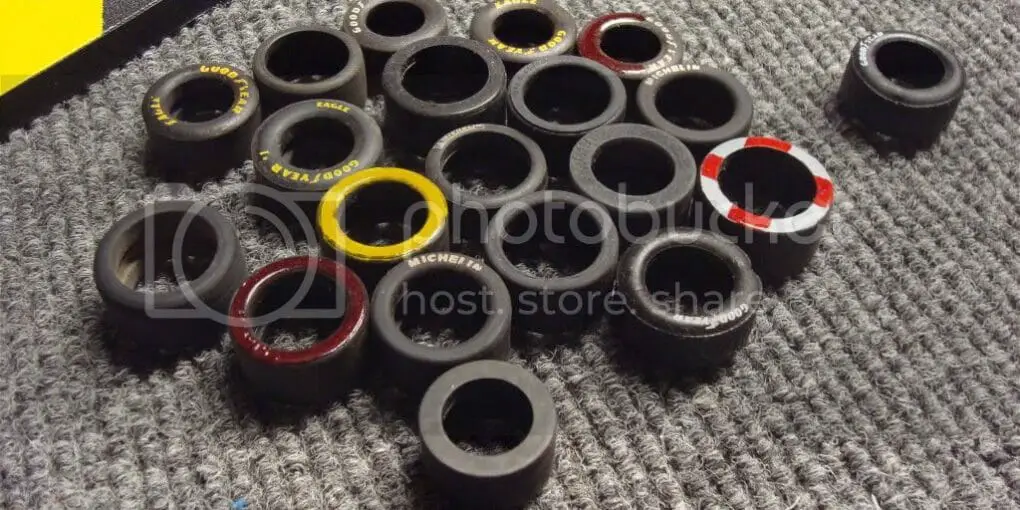
How to Make Slot Car Tires
Slot car tires are one of the most important aspects of a slot car. They provide the traction that helps the car grip the track and prevent slipping. There are a few different ways to makeslot car tires, and each has its own advantages and disadvantages.
The most common method is to use rubber tyres. These have good grip and durability, but can be difficult to keep clean and can wear out quickly if not used properly. Another option is foam tires.
Building Slot Car Track Tyre Wall
- Choose the right size tires for your slot car
- Cut the tire to the desired width
- Glue the tire onto the wheel
- Let the glue dry completely before using the slot car
Diy Routed 1/32 Slot Car Track
Are you a slot car enthusiast? If so, you may be interested in building your own routed 1/32 slot car track. Routed tracks are considered the gold standard for slot car racing, and offer a challenging and rewarding experience for racers of all skill levels.
Building your own routed track is not as difficult as it may seem, and with a little patience and attention to detail, you can create a track that is both functional and visually appealing. In this article, we will walk you through the process of designing and constructing a routed 1/32 scale slot car track.The first step is to determine the dimensions of your track.
This will depend on the available space that you have to work with, as well as the type of cars that you will be racing on it. Once you have decided on the overall size of your track, use graph paper to sketch out a basic layout. Keep in mind that the turns should be gradual in order to avoid damaging the cars or causing them to derail.
Once you have settled on a layout, it’s time to start construction! Begin by cutting out strips of plywood or MDF (medium density fiberboard) that are 1-2 inches wider than the width of your cars. These strips will form the outside walls of your track.
Next, use a router to cut slots into these strips – this is where your cars will actually race. Be sure to make these slots smooth and even in order to avoid any issues when racing.After the slots have been cut, it’s time to assemble everything!
Lay down one strip of wood (with the slots facing up), then adhere another strip directly on top (slots facing down). Repeat this process until all 4 sides are complete. Once everything is glued together, use sandpaper or a fileto smooth out any rough edges aroundthe perimeter of your track .
Now comes the fun part – painting! You can get creative here and really make your track unique. Use stencils or freehand whatever design elements you like onto your walls – just be sure that they won’t interfere with gameplay once dry . After painting , add any other finishing touches like carpeting , grass , trees , buildings , etc . Then it’s time for testing ! Make sure everything works properly before inviting friends over for some competitive races .With a little bit of effort , you can build yourself an awesome home-made 1/32 scale slot car track !
Credit: www.outriggercanoe.com
What are Slot Car Tires Made Of?
Slot car tires are made of a variety of materials, including rubber, foam, and silicone. Each has its own advantages and disadvantages that make it better or worse for different types of racing.Rubber is the most common type of tire used in slot cars.
It is inexpensive and provides good grip on most surfaces. However, it wears out quickly and does not perform well on high-speed tracks.Foam tires are becoming increasingly popular in the world of slot car racing.
They provide excellent grip and last longer than rubber tires. However, they are more expensive than rubber tires and can be difficult to find in some sizes.Silicone tires are the newest type of tire on the market for slot cars.
They offer unparalleled grip and durability, but they come at a premium price tag.
How Do You Put a Slot on a Car Tire?
It is important to know how to put a slot on a car tire because this can be a life-saving skill. If you are ever in a situation where you have a flat tire, it is much easier to put a slot in the tire than it is to change the whole tire. Here are the steps to take:
1. Park your car on level ground and turn off the engine. Apply the parking brake and chock the wheels so that your car does not roll while you are changing the tire.2. Loosen the lug nuts with a wrench before you jack up the car.
Do not remove them yet.3. Place the jack under the frame of the car at one of the designated jack points. Make sure that the jack is securely in place before you start lifting up your car.
4. Lift your car until there is enough clearance for you to remove the Flat Tire and replace it with Slot Tire easily by hand without having to strain yourself too much physically .5 Lower your vehicle back down to resting position on all four tires..6 Remove lug nuts completely and set them aside in a safe place so as not loose track of them.
.7
How Do You Silicone a Slot Car Tire?
To silicone a slot car tire, you will need:
-A bottle of silicone spray
-A lint free rag
-Your slot car tiresStart by taking your lint free rag and wiping down the surface of the tires. This will help to remove any dirt or debris that could prevent the silicone from adhering properly.
Next, take your silicone spray and generously apply it to the surface of the tires. Make sure to completely cover them, as this will help to create a smooth, consistent surface for racing. Once the tires are coated, allow them to dry for at least 30 minutes before using them on your track.
This will ensure that they are fully cured and ready for action!
How Do You Make Silicone Tires?
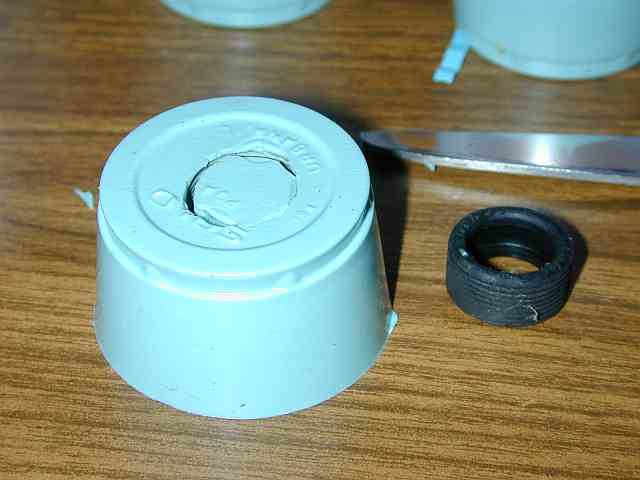
To make silicone tires, manufacturers mix together a two-part system consisting of a base and a curing agent. The base is made up of silicone elastomer, while the curing agent is typically an organotin compound. Together, these two parts form a viscous liquid that can be poured into molds.
Once the tire mold is filled, it is placed into an oven where the temperature is gradually increased. This causes the silicone to cure, or harden, into the desired shape. After curing, the tires are then cooled and removed from the mold.
Silicone tires offer several advantages over traditional rubber tires. They are more resistant to heat and cold extremes, as well as being less likely to suffer from flat spots or other damage due to changes in temperature or humidity. Additionally, they provide better grip on wet or icy surfaces and tend to last longer than rubber tires.
Conclusion
This blog post covers the basics of making your own slot car tires. You will need a few supplies including rubber, silicone, and neoprene. The author provides detailed instructions on how to measure and cut the rubber to fit your wheels.
They also share how to cure the tires so they are ready to race.
How Often to Rotate Snow Tires
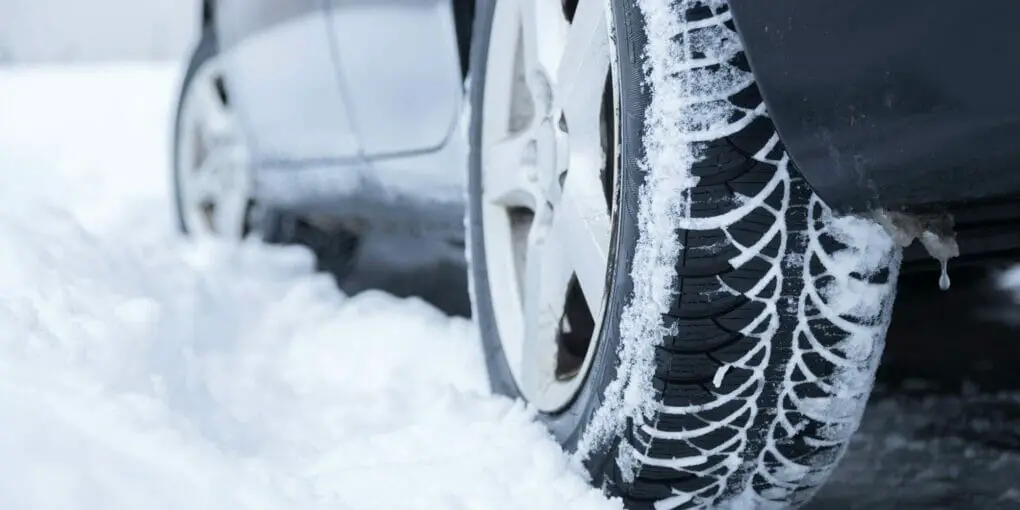
When it comes to driving in the snow, one of the most important things you can do is make sure your tires are up for the task. That means having a good set of snow tires that are in good condition and properly inflated. But it’s also important to know when to rotate your snow tires.
Here’s a look at how often you should rotate them and why it’s so important.
If you live in an area where it snows, you know how important it is to have good snow tires. But how often should you rotate them?Most experts recommend rotating your snow tires every 6,000 to 8,000 miles.
This helps ensure even wear and tear on the tires, which will help them last longer. It’s also a good idea to check the tread depth of your tires regularly. When the tread gets too low, it’s time to replace the tires.
If you take good care of your snow tires, they can last for several seasons. That means less money out of your pocket for new tires and more peace of mind when driving in winter weather conditions.
How often to rotate mud tires- WHAT PATTERN TO USE
How Often Should You Rotate Snow Tires?
Most carmakers recommend replacing all four tires at the same time. But if you can’t afford to do that, it’s generally best to replace the two drive tires (the ones on the front axle for front-wheel-drive cars, or the ones on the rear axle for rear-wheel-drive cars) first. That way, your vehicle will have better traction while accelerating and braking.
You should then replace the other two tires when you can afford it.If you live in an area with severe winter weather, it’s a good idea to invest in a set of snow tires. Snow tires are designed to provide better traction in icy and snowy conditions than regular all-season tires.
They typically have deeper treads and are made from a softer rubber compound that stays flexible in cold temperatures.Most carmakers recommend replacing all four tires with snow tires at the same time. But if you can’t afford to do that, it’s generally best to replace the two drive tires (the ones on the front axle for front-wheel-drive cars, or the ones on the rear axle for rear-wheel-drive cars) with snow tires first.
That way, your vehicle will have better traction while accelerating and braking. You should then replace the other two regular all-season tires with snow tyres when you can afford it.
How Many Miles Should You Rotate Tires on Awd?
Assuming you’re talking about all-wheel drive:Most automakers recommend rotating tires on AWD vehicles every 5,000 to 7,500 miles, and some even specify different intervals for front and rear tires. However, it’s best to consult your owner’s manual for the manufacturer’s recommendation.
The main reason for this is that the front and rear wheels of an AWD vehicle typically wear at different rates. The front wheels tend to wear more quickly because they do most of the work when it comes to steering and braking. Meanwhile, the rear wheels carry less weight and provide traction mostly during acceleration.
If you don’t rotate your tires regularly, it can lead to uneven wear patterns and decreased tread life. Uneven tire wear can also cause problems with your vehicle’s handling and stability. So if you want to get the most out of your all-wheel drive vehicle, be sure to keep up with its tire rotation schedule.
How Long Should You Wait between Tire Rotations?
It is generally recommended that you rotate your tires every 5,000 miles. However, it is important to consult your vehicle’s owner’s manual to see what is best for your particular make and model. Some vehicles may have different requirements.
For example, front-wheel drive cars often require more frequent tire rotations than rear-wheel drive cars.Tire rotations are important because they help ensure even wear on all four tires. This helps improve gas mileage and extends the life of your tires.
It’s also a good idea to get your tires rotated when you have them serviced or inspected so that any potential problems can be caught early on.
Do You Need to Rotate Tires on Awd?
If you have an all-wheel drive vehicle, you might be wondering if you need to rotate your tires. The answer is yes! Even though all four of your tires are receiving power and working together to provide traction, they still wear differently depending on their position on the vehicle.
Over time, this can lead to uneven tire wear and decreased performance from your all-wheel drive system.To keep your tires in good condition and ensure that your all-wheel drive system is performing at its best, it’s important to rotate them on a regular basis. How often you need to rotate them will depend on your driving habits and the type of vehicle you have, so be sure to consult your owner’s manual or ask a qualified technician for guidance.
Credit: www.caranddriver.com
How Often to Rotate Tires Awd
Most carmakers recommend tire rotation every 5,000 to 7,500 miles for all-wheel drive vehicles. That’s because the added weight of an AWD system puts more stress on tires than a similar vehicle with two-wheel drive.Tire experts say that you can get up to twice the life out of your tires by rotating them regularly.
That means fewer trips to the tire store, and more money in your pocket.If you live in an area with poor roads or a lot of potholes, you may need to rotate your tires more frequently. And if you do a lot of off-roading in your AWD vehicle, you should check your owner’s manual for specific recommendations.
In general, it’s a good idea to have your tires rotated every time you get an oil change. That way, you can keep track of when they were last serviced and avoid missing a rotation.
Conclusion
Many people don’t realize that they should rotate their snow tires. Just like other tires, snow tires need to be rotated in order to prevent uneven wear. The general rule of thumb is to rotate your snow tires every 5,000 miles.
However, it’s always best to consult your owner’s manual or a professional mechanic to be sure.
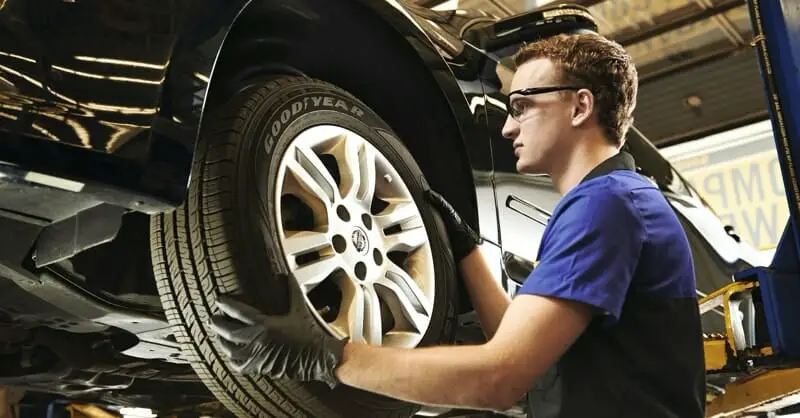
How to Put New Tires on Your Car
If your car has been making a funny noise lately, or you’ve noticed that the ride isn’t as smooth as it used to be, it might be time for new tires. Putting new tires on your car is a pretty straightforward process, but there are a few things you’ll need to do before you can get started. First, you’ll need to find the right tires for your car.
You can usually find this information in your owner’s manual, or by looking online. Once you’ve found the right tires, it’s time to start putting them on!
Tire Machine: Tire Remove & Install
- Lift your car up with a jack and secure it on jack stands
- Remove the old tires from your car
- Clean the wheel rims with a rag to remove any dirt or debris
- Place the new tire on the rim and hand-tighten the lug nuts
- Lower your car back down to the ground and tighten the lug nuts fully with a wrench
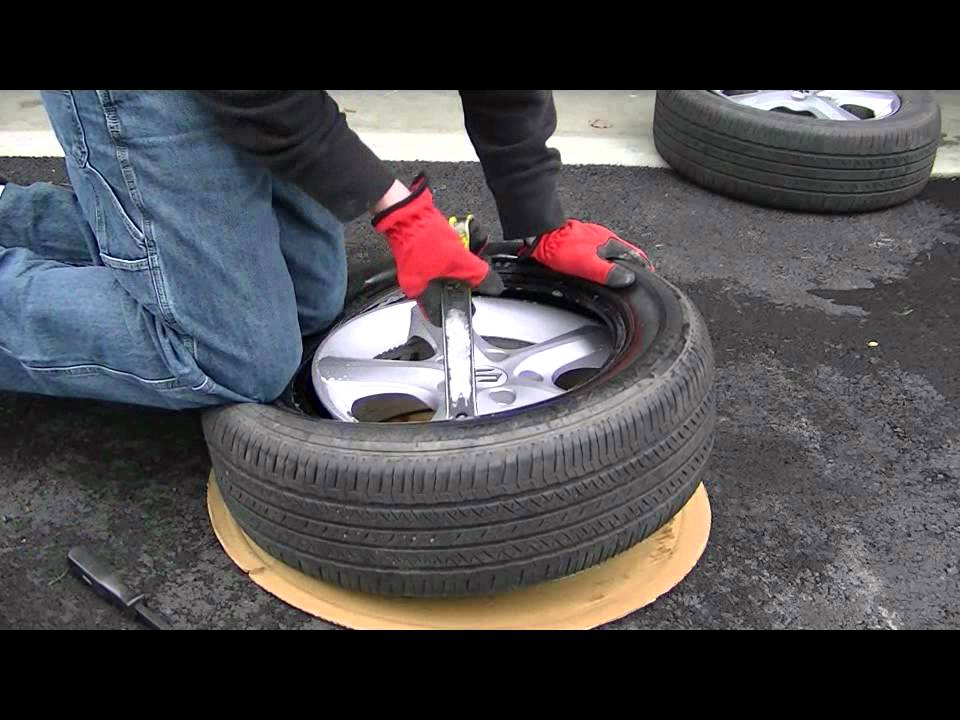
How to Mount And Balance Tires Yourself
It’s a good idea to know how to mount and balance your own tires. This way, you can be sure that they are properly installed and inflated, and that the tread is evenly distributed. You’ll also save money by doing it yourself!
Here’s how to do it:1. Start by putting the wheel on the ground and spinning it to see if there are any flat spots or bumps. If so, use a tire iron to loosen the lug nuts and adjust the position of the tire until it looks even.
2. Next, use a measuring tape to find the center of the wheel. Mark this spot with chalk or a marker.3. Now it’s time to mount the tire onto the wheel rim.
Start by lining up one side of the tire with the rim, then press down on the other side until it pops into place. Make sure that both sides of the tire are equally seated on the rim before proceeding.4. Once the tire is mounted, use your hands to spin it around a few times so that any air bubbles work their way out from under the bead (the part of the tire that sits on top of the rim).
You may need to add some air at this point – just enough so that there’s no more movement in the tire when you spin it around. Do not overinflate!
Credit: www.youtube.com
Can You Install New Tires Yourself?
If you’re considering installing new tires yourself, there are a few things you should know. First, it’s important to make sure that the tires you purchase are the correct size and type for your vehicle. You’ll also need to have the right tools for the job, which include a tire iron, jack and lug wrench.
Installing new tires is a fairly straightforward process, but it’s always best to consult your owner’s manual or ask a professional if you have any questions.
How Do You Put New Tires on a Car?
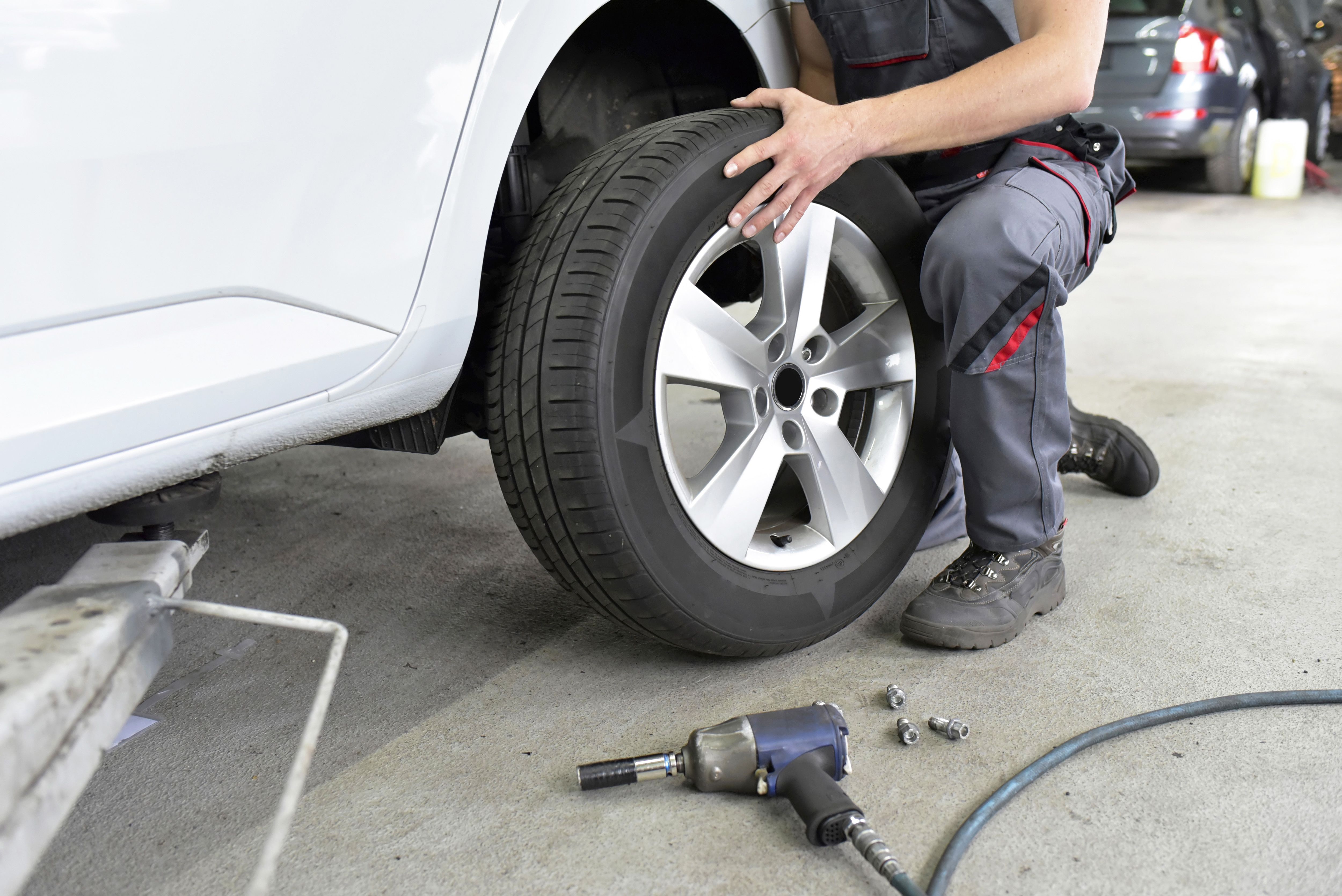
If you’ve never put new tires on a car before, it might seem like a daunting task. But don’t worry – we’ll walk you through the entire process step-by-step so that you know exactly what to do.The first thing you’ll need to do is jack up the car and remove the old tires.
To do this, locate the jack points on your car (consult your owner’s manual if you’re not sure where they are) and place the jack under the car. Once the car is jacked up, remove the lug nuts from each of the old tires using a wrench or socket. Finally, pull each tire off of the wheel one at a time.
Now it’s time to install the new tires. Start by lining up each tire with its corresponding wheel (the front left tire goes on the front left wheel, etc.). Once all four tires are in place, hand-tighten each of the lug nuts until they’re finger-tight.
Next, use your wrench or socket to tighten each lug nut until it’s snug against the tire but don’t overdo it – you don’t want to strip them! Finally, lower your car back down to the ground and give each lug nut another quarter turn with your wrench/socket just to be sure they’re nice and tight. And that’s it – you’ve successfully put new tires on your car!
Is It Worth It to Install Your Own Tires?
There are a number of factors to consider when deciding whether or not to install your own tires. The most important factor is likely the cost. If you can find a good deal on tires and installation is free, then it might be worth doing it yourself.
However, if you have to pay for installation, it might be cheaper to have someone else do it.Another factor to consider is your level of expertise. If you are experienced in installing tires, then it might be worth doing it yourself.
However, if you are inexperienced, it might be better to have someone else do it so that you don’t damage the rims or cause any other problems.Finally, consider your time availability. If you have the time to install the tires yourself, then it might be worth doing so.
However, if you are short on time and would rather spend that time doing something else, then having someone else install the tires might be a better option.
How Much Does It Cost to Put 4 New Tires on a Car?
It typically costs between $600 and $1,000 to replace all four tires on a car. The cost will vary depending on the type of tire being purchased as well as the make and model of the vehicle. Many tire dealerships offer discounts for buying in bulk, so it may be possible to get a lower price by replacing all four tires at once.
Conclusion
If you’re like most people, you probably don’t think about your tires very often. But they are an important part of your car, and it’s important to keep them in good condition. Here’s how to put new tires on your car.
The first thing you need to do is find the right tires for your car. You can usually get this information from your owner’s manual or from the tire manufacturer. Once you have the right size and type of tire, it’s time to start installing them.
If you’re changing all four tires, it’s best to do one at a time so you don’t lose control of the car while you’re working. Start by loosening the lug nuts with a wrench (don’t remove them completely). Then, use a jack to lift up the side of the car that has the old tire.
Take off the old tire and put on the new one, making sure that it’s seated properly on the wheel before lowering the car back down. Tighten up the lug nuts and repeat on the other three tires.That’s all there is to it!
Now you know how to put new tires on your car like a pro.

How to Get F1 Tires on Any Car
F1 tires are the pinnacle of performance and technology in motorsport. They are made with a unique compound that offers unmatched grip and durability. But how can you get F1 tires on any car?
Here’s a step-by-step guide:First, find a set of F1 tires that fit your car. You can do this by searching online or contacting a local motorsport supplier.
Once you have found the right tires, remove the old ones from your car. To do this, jack up the car and remove the lug nuts that hold the wheels in place. Then, slide the old tires off of the wheels and set them aside.
- Go to your local auto parts store and purchase a set of F1 tires
- Make sure the tires are the correct size and fit for your car
- Mount the tires onto your car
- Inflate the tires to the proper pressure
- Drive safely and enjoy your new F1 tires!
*VERY EASY* How to get F1 WHEELS on CARS in GTA 5 Online?! (CAR MERGE)
How Do I Put F1 Tires on My Car?
If you’re a Formula 1 fan, you might be wondering how to put F1 tires on your car. Here’s a step-by-step guide:1. Start by lifting up your car with a jack.
You’ll need to place the jack under the car’s chassis so that it’s securely lifted off the ground.2. Next, remove the wheel nuts that are holding the current tires in place. You can do this using a wrench or socket set.
3. Once the nuts are removed, carefully take off the old tires and set them aside. Make sure not to damage the wheel rims as you remove them.4. Now it’s time to put on the new F1 tires!
Line up each tire with its corresponding wheel rim, and then use your hands to push it onto the rim until it’s snugly in place.5. Finally, replace all of the wheel nuts and tighten them down using a wrench or socket set (be careful not to overtighten). Lower your car back down to the ground, and you’re all done!
How Do You Get the F1 Wheels on Any Car in Gta 5?
There are a few ways to get the F1 wheels on any car in GTA 5. The first way is to buy them from Los Santos Customs. The second way is to find them in one of the many garages around Los Santos.
The third way is to get them from a friend who has them.
How Do You Get Bennys Wheels on Any Car in 2021?
In order to get Bennys wheels on any car in 2021, you will need to purchase the correct size and type of wheel for your car. You can find a variety of different types and sizes of Bennys wheels online or at your local automotive store. Once you have found the right size and type of wheel, simply follow the instructions that come with the product in order to properly install them on your car.
How Do You Do the F1 Wheel Glitch?
Assuming you are referring to the Forza Horizon 4 wheel glitch, it is done by using a specific set of circumstances that exploit a game mechanic. The player must have a car with a low ride height and high ground clearance, such as the Aston Martin Vulcan. They must also have upgraded suspension and wheels.
The player drives the car up to a wall or other object that they can drive over, but not too high. They then angle the front wheels so they are pointing directly at the wall or object. The back of the car must be raised off the ground by driving over something else, such as a kerb.
When everything is in position, the player presses and holds down both left and right on the d-pad (or equivalent) whilst accelerating hard into the wall or object. If done correctly, the front wheels will go over but the back ones will remain on the ground, causing the car to appear to be doing a wheelie. The glitch can be used for purposes such as drifting around corners without scrubbing speed.

Credit: www.autosport.com
How to Get F1 Tires on Any Car in Gta V Online 2022
Looking to get those F1 tires on your car in GTA V Online? Here’s a quick guide on how to do it in 2022!The first thing you’ll need to do is head to Los Santos Customs and purchase the “Race Tire” modification.
This will cost you $50,000. Once you have this modification, go to any race track that has F1 tires available. The two most popular tracks are the LSIA runway and the Zancudo drag strip.
Once you’re at the track, simply drive up to one of the tire stands and press “A” or “D” to change your tire type. You’ll want to make sure you’re on the correct side of the car so that you don’t end up with a flat tire! After changing your tires, be sure to take them for a spin around the track before heading back home.
And there you have it! Now you know how to get F1 tires on any car in GTA V Online. Be sure to practice safe driving and have fun out there!
Conclusion
If you’re a fan of Formula 1 racing, you know that the cars use special tires that are designed for high-speed cornering and braking. But did you know that you can get those same tires on your own car? That’s right – with a little bit of research, you can find out which tire companies make F1-style tires and have them shipped right to your door.
So, how do you go about getting F1 tires on any car? First, you’ll need to decide which company makes the best ones for your needs. There are several reputable brands out there, so take some time to read reviews and compare prices.
Once you’ve found the perfect set of F1 tires, simply place your order and have them delivered to your home or garage.It’s really that easy! With a little bit of effort, you can enjoy the same level of performance as the pros do – all while driving your own car on the street or track.
So what are you waiting for? Start shopping for your new set of F1 tires today!
How to Balance Mobile Home Tires
One of the most important aspects of owning a mobile home is maintaining the tires. Not only do they keep your home safe on the road, but they also play a large role in how level your home is. Over time, as you travel and as the ground underneath your home settles, your tires will become unbalanced.
This can lead to serious problems like tire failure and make it difficult to keep your mobile home level. Luckily, balancing mobile home tires is a relatively easy process that only requires a few tools and some patience.
- Park your mobile home on a level surface and set the emergency brake
- Place jack stands under the frame of your mobile home on each side to support it while you work
- Remove the wheel covers, if present, and loosen the lug nuts on each tire with a lug wrench
- Raise the mobile home up with a floor jack until the tire you want to adjust is about 6 inches off the ground
- 5 Spin the tire to check for any areas that may be out of balance and make note of them
- Place weights on the rim of the tire at points opposite from where you noted was out of balance earlier using adhesive-backed wheel weights or clip-on wheel weights, depending on your type of rim
- 7 Lower your mobile home back down to the ground and remove the jack stands before driving away
Can Mobile Home Tires Be Balanced?
Yes, mobile home tires can be balanced. This is done by attaching weights to the outside of the tire at specific points. The goal is to have the tire rotate evenly, which will help prolong its life and improve fuel economy.
How Do You Balance Trailer Tires at Home?
If you’re like most people, you probably don’t think much about your trailer tires until there’s a problem. But just like the tires on your car, they need regular maintenance to stay in good shape. That includes keeping them properly inflated and balanced.
The first step is to check the tire pressure with a tire gauge. You can find the recommended pressure for your tires in the owner’s manual or on a placard affixed to the trailer. Once you know the correct pressure, use an air compressor or hand pump to add air as needed.
Next, it’s time to balance the tires. This helps ensure that they wear evenly and reduces vibration while you’re driving. You’ll need a special tool called a tire balancer for this job.
Once the balancer is attached to the tire, spin it until the pointer reads zero. Then add weight (usually lead weights) to the appropriate side of the rim until the pointer balances out.With proper inflation and balancing, your trailer tires should give you years of trouble-free service.
So take care of them and they’ll take care of you!
Can You Balance Trailer Tires?
Yes, you can balance trailer tires. This is done by evenly distributing the weight around the axle so that the trailer sits level when hitched to a vehicle. To do this, you’ll need to add or remove weight from the tire itself.
You can use special weights that are made for this purpose, or you can simply use objects like rocks or sandbags. Once the weight is added or removed, you’ll need to re-inflate the tire to the proper pressure.
Do You Have to Have Trailer Tires Balanced?
No, you don’t have to have trailer tires balanced. However, it is recommended by most experts. The main reason for this is because unbalanced tires can cause premature wear and tear on your trailer’s suspension components.
Additionally, unbalanced tires can make your trailer difficult to tow and may cause uneven tire wear.
How to Balance a Tire at Home
If you’ve ever had a flat tire, you know the frustration of being stranded on the side of the road. But did you know that you can avoid this inconvenience by balancing your tires at home? Here’s how:
First, find a level spot to park your car. You’ll need to be able to access all four tires, so make sure there’s enough room around your vehicle. Next, locate the valve stem on each tire and remove the cap.
Using a tire gauge, check the air pressure in each tire and add or release air as needed to reach the recommended PSI for your vehicle.Now it’s time to balance your tires. For this step, you’ll need a weight scale and some weights (you can use coins).
Place the scale under one of the front tires and put a weight on top of it until the needle reaches zero. Then move to the other front tire and repeat the process. Finally, do the same with the two back tires.
That’s it! By following these simple steps, you can keep your tires properly balanced and avoid costly repairs down the road.
Conclusion
Assuming you would like a summary of the blog post titled “How to Balance Mobile Home Tires”:The author begins by stating that one of the most important aspects of owning a mobile home is maintaining the tires. They go on to say that when it comes to balancing mobile home tires, there are a few things to keep in mind.
First, they recommend checking the air pressure in all four tires at least once a month. Second, they suggest having the tires balanced every 6 months or so. Finally, they advise against overloading the trailer, as this can lead to tire problems down the road.
How to Remove Ice from Car Tires
If you live in an area where it snows, then you know the pain of having to remove ice from your car tires. It’s a cold, tedious process that takes forever. But there are ways to make it easier and faster.
Here are some tips on how to remove ice from car tires:1. Use boiling water: Boil a pot of water and pour it over the ice on your tires. The hot water will melt the ice quickly.
2. Use rubbing alcohol: Rubbing alcohol will also melt the ice quickly. Just pour it over the affected areas and wait a few minutes for the ice to disappear.3. Use a hairdryer: A hairdryer is another tool that can help melt the ice quickly.
Just aim the heat at the affected areas and wait for the ice to melts away.
- Drive the car for a few minutes to melt the ice on the tires
- Use a scraper or brush to remove any remaining ice from the tires
- Pour warm water over the tires to melt any remaining ice and prevent it from refreezing
How Do You Remove Ice from behind Your Tires?
When it comes to removing ice from behind your tires, there are a few different methods that you can use. The most common and effective method is to use a putty knife or an old credit card. Simply insert the blade of the knife between the tire and the ice, and then apply pressure to pry the ice off of the tire.
Another effective method is to use boiling water. Boil a pot of water and then carefully pour it over the area where the ice is attached to the tire. This will cause the ice to melt and detach from the tire.
You can also try using WD-40 or another type of lubricant spray. Simply spray it on the area where the ice is attached to the tire, and then wait a few minutes for it to loosen up before prying it off with a putty knife or credit card.
What Can I Put on My Tires for Ice?
When driving in icy conditions, it is important to have tires that can provide good traction. There are a few things that you can put on your tires to help with this.One option is to put chains on your tires.
This will give them extra grip and help you keep control of your car on slippery roads. You can also get special winter tires that are designed for use in icy conditions. These tires have a tread pattern that helps them grip the road better than regular tires.
Another option is to use studded tires. These have metal studs embedded in the tread that provide extra traction on ice and snow. However, studded tires can damage the road surface, so they are not allowed in some states.
If you don’t want to invest in new winter tires or chains, there are some things you can do to improve the traction of your regular tires. One option is to add tire socks over your regular tires. These socks fit snugly over the tire and provide extra grip on icy roads.
You can also add sand or kitty litter to the trunk of your car.
Can Ice Damage Your Tires?
It’s a common misconception that driving on ice can damage your tires. However, this is not the case. Ice cannot damage your tires directly.
However, driving on icy roads can lead to indirect tire damage.When you drive on icy roads, your tires are more likely to spin out or slip. This can cause them to wear down faster and eventually become damaged.
In addition, if you hit a curb or pothole while driving on ice, this can also cause tire damage.So while ice itself cannot damage your tires, it can indirectly lead to tire damage through spinning and slipping. It’s important to be careful when driving on icy roads and to watch out for any potential hazards that could lead to tire damage.
How to Remove Ice from Car Windshield
If you’re like most people, you probably don’t enjoy scraping ice off your car windshield in the morning. But if you take a few minutes to prep your car before bed, you can make the job a lot easier. Here are some tips for removing ice from your car windshield:
1. Park in a garage or covered area if possible. This will protect your windshield from snow and ice overnight.2. If you can’t park in a garage or covered area, cover your windshield with a tarp or blanket.
This will insulate it and prevent frost from forming.3. In the morning, remove the tarp or blanket and brush any snow or ice off of it. If there’s still some ice on the windshield, pour hot water over it (being careful not to splash yourself) and scrape it off with a razor blade or putty knife.
4. Once the majority of the ice is gone, turn on your defroster and let it run for a few minutes to melt any remaining ice and prevent fogging.
Conclusion
It’s that time of year again when we have to start scraping ice off our car windows. But what about our tires? Ice can build up on tires and make them less effective, so it’s important to remove it before driving.
There are a few ways to remove ice from car tires. One is to use a hand-held ice scraper or brush. Be careful not to scratch the tires with the scraper.
Another way is to pour warm water over the tire (not boiling water) and let it sit for a minute or two. The heat will help break down the ice. You can also use a commercial de-icing spray, but be sure to read the directions carefully before using it on your tires.
Once you’ve removed the ice, dry off the tire with a cloth or paper towel. This will help prevent new ice from forming as quickly.
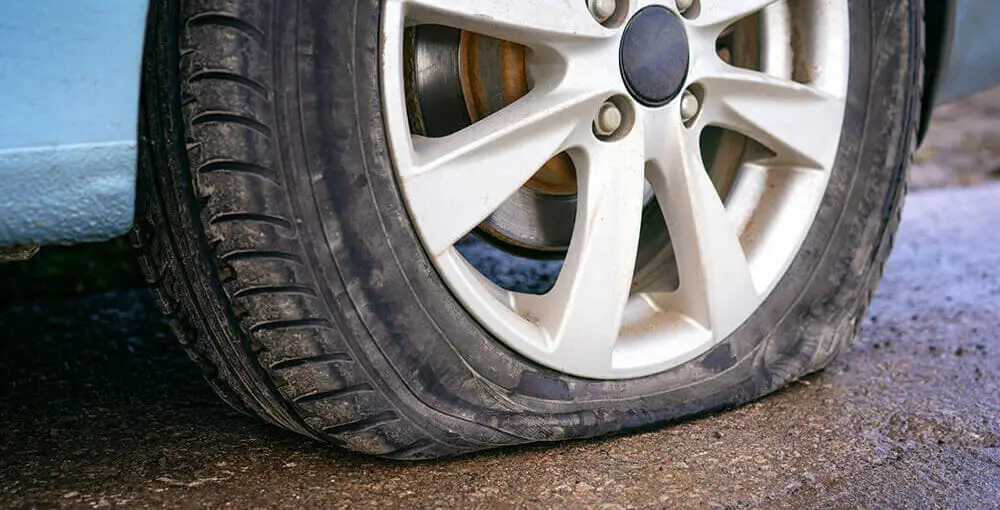
How to Prevent Flat Tires on Car
No one enjoys getting a flat tire, especially when it happens at an inopportune time. There are a few things you can do to help prevent flat tires on your car. First, check your tires regularly for any signs of wear and tear.
If you see any bald spots or cracks, it’s time to replace the tire. Secondly, keep your tires properly inflated. Overinflated tires can cause problems just as much as underinflated ones.
Lastly, avoid driving over potholes or other objects that could potentially puncture your tire. By following these simple tips, you can help extend the life of your tires and avoid costly repairs down the road.
- Check your tire pressure regularly and keep them inflated to the proper level
- Inspect your tires for any signs of damage such as cracks or bulges
- Avoid driving over sharp objects or potholes that could puncture your tires
- Rotate your tires regularly to evenly distribute wear and tear
- Have your tires balanced and aligned by a professional if necessary
Why Do I Keep Getting Flat Tires on My Car?
If you’re finding that you’re constantly getting flat tires on your car, there are a few possible explanations. Here are some of the most common reasons why people keep getting flat tires:1. You Have A Leak In Your Tire
One of the most common reasons people get flat tires is because they have a leak in their tire. If you have a slow leak, it can be hard to notice until you’ve already got a flat tire. The best way to check for leaks is to use soapy water – if there’s a bubble forming where your tire and rim meet, then you know you’ve got a leak.
2. You’re Driving On Worn Tires
Another common reason for getting flats is simply because your tires are worn down and need to be replaced. If you don’t regularly check your tire tread depth, it’s easy to let your tires get too low without realizing it.
Once your tread gets below 4/32″, it’s time to start shopping for new tires.
3. You Hit A Pothole (or Other Object)
Hitting something in the road – like a pothole, curb, or even just a big rock – can cause damage to your tire that leads to flats.
Sometimes this damage is visible, but other times it isn’t until after you’ve driven on the damaged tire for awhile that it starts leaking air slowly. Be sure to inspect your tires carefully after hitting something in the road!
4. You Have A Nail In Your Tire
This one is pretty self-explanatory – if there’s a nail or other sharp object stuck in your tire, it’s going to cause problems eventually! Even small punctures can lead to big headaches down the road, so it’s best to take care of them as soon as possible by bringing your car into a shop or changing the tire yourself if you know how..
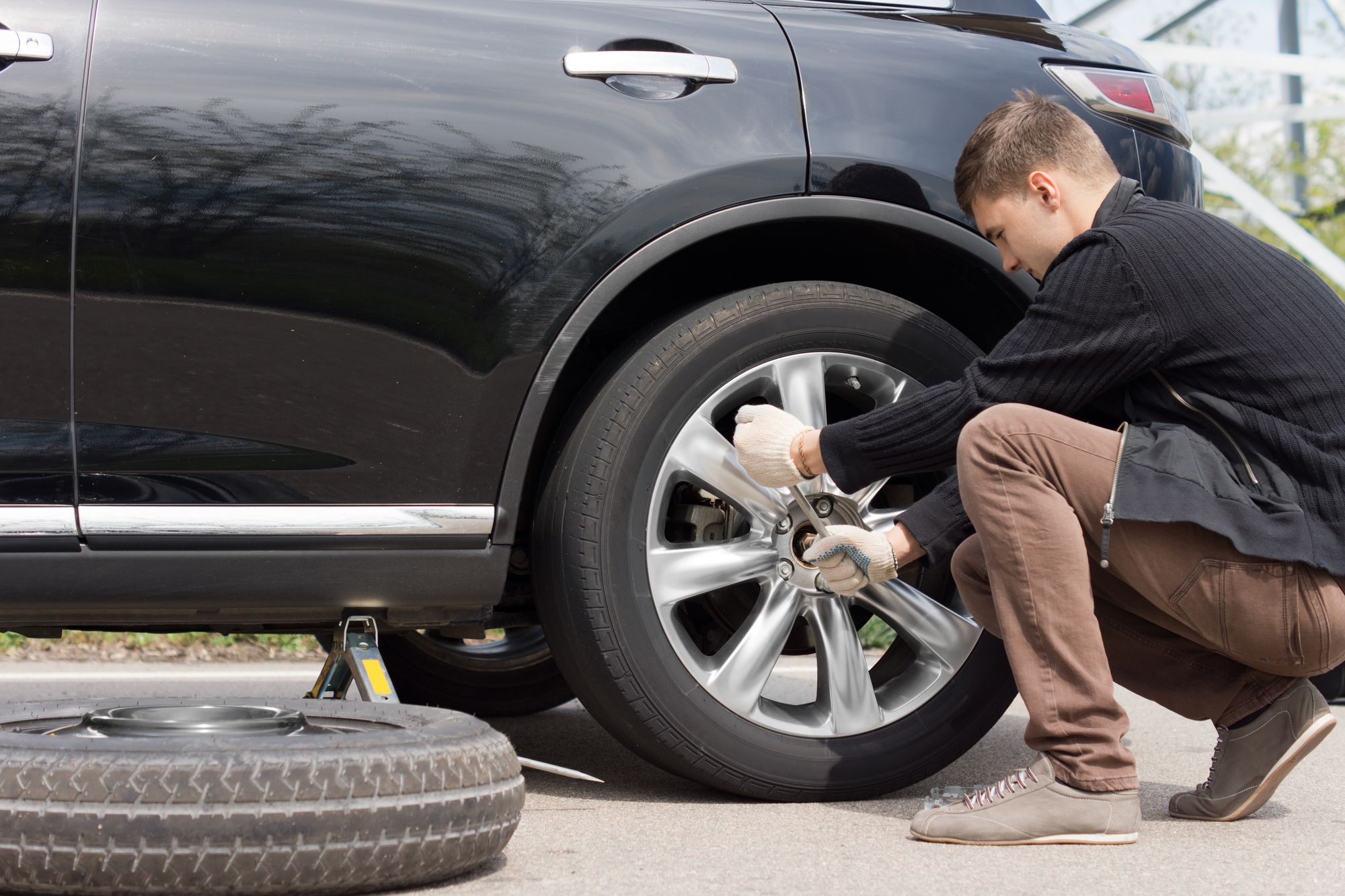
Can You Prevent Flat Tires?
It is possible to prevent flat tires by regularly checking the air pressure in your tires and ensuring that they are properly inflated. You should also inspect your tires for any signs of damage or wear and tear, and have them repaired or replaced as needed. Additionally, it is important to avoid driving over sharp objects or potholes, which can cause punctures.
How Do You Prevent Tire Punctures?
There are a few different ways that you can prevent tire punctures. The first way is to make sure that you have the proper air pressure in your tires. If your tires are under-inflated, they are more likely to get punctured.
You should check your air pressure at least once a month, and more often if you’re going on a long road trip.Another way to prevent tire punctures is to avoid driving over sharp objects. This means being careful when you’re driving on gravel roads or through construction zones.
If you can’t avoid these areas altogether, just drive slowly and carefully so that you don’t run over anything sharp.Finally, you can buy special tires that are designed to resist punctures. These tires usually have thicker walls and/or Kevlar reinforcement in the tread area.
They may cost a bit more than regular tires, but they could save you from having to deal with a flat tire down the road.
Credit: wrench.com
How to Prevent Flat Tires on Bike
Bicycle tires are designed to be strong and durable, but they can still go flat. If you ride often, it’s important to know how to prevent flat tires on your bike.There are a few things you can do to help prevent flats:
– Check your tire pressure regularly and keep your tires inflated to the proper level. This will help prevent punctures from sharp objects on the road.
– Avoid riding over glass, nails, or other sharp objects that could puncture your tire.
– If you do get a puncture, use a tire liner or patch kit to repair it as soon as possible.
– Inspect your tires before each ride and look for any signs of wear or damage. If you see anything suspicious, replace the tire before riding again.
By following these simple tips, you can help reduce the risk of getting a flat tire while biking.
Conclusion
Most everyone has experienced the sudden, unwelcome jolt of a flat tire. You’re driving along and suddenly, “thump thump thump,” your tire goes flat. If you’re lucky, it’s just a slow leak and you can make it to a gas station or service center to have it repaired or replaced.
But sometimes, you’re not so lucky and your tire goes completely flat, leaving you stranded on the side of the road.There are several things you can do to prevent flat tires:1. Check your tires regularly for nails, glass, or other sharp objects that could puncture them.
2. If you hit something while driving, even if you don’t think it did much damage, check your tires for any sign of damage.
3. Keep your tires properly inflated – under-inflated tires are more susceptible to flats.
4. Don’t overload your vehicle – an overloaded vehicle puts extra stress on its tires which can lead to flats as well as blowouts.
How to Buy Mountain Bike Tires
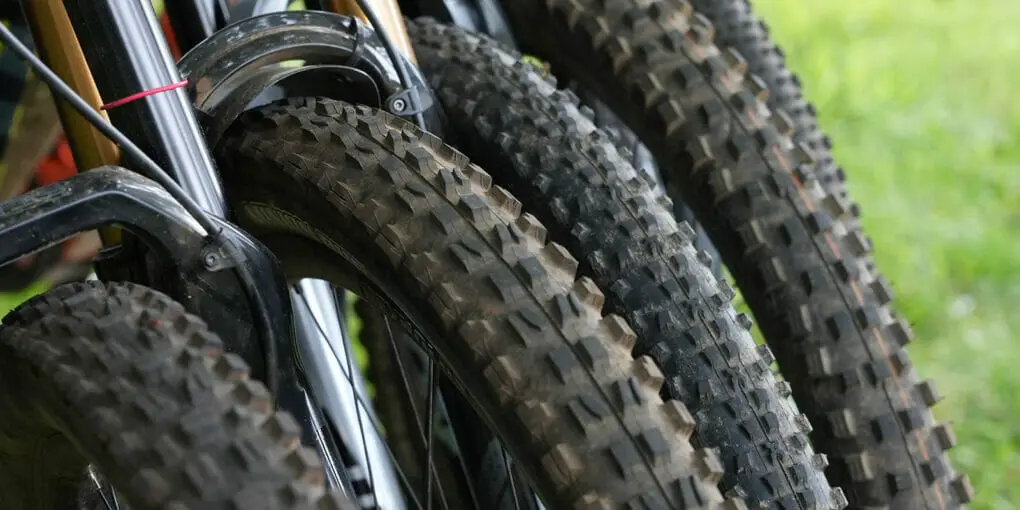
Mountain bike tires are an important part of your mountain biking experience. They provide traction and grip on the trails, and they can help you navigate through rough terrain. There are a few things to keep in mind when purchasing mountain bike tires, such as size, width, and tread.
In this article, we will discuss how to buy mountain bike tires so that you can make the best decision for your needs.
- Research what kind of mountain bike tires are best for the type of riding you do most often
- Compare prices and reviews of different mountain bike tires before making a purchase
- Once you have decided on a tire, buy it from a reputable store or website
- Make sure to properly install the mountain bike tires onto your bike!
Credit: www.liv-cycling.com
How Do I Choose the Right Mountain Bike Tires?
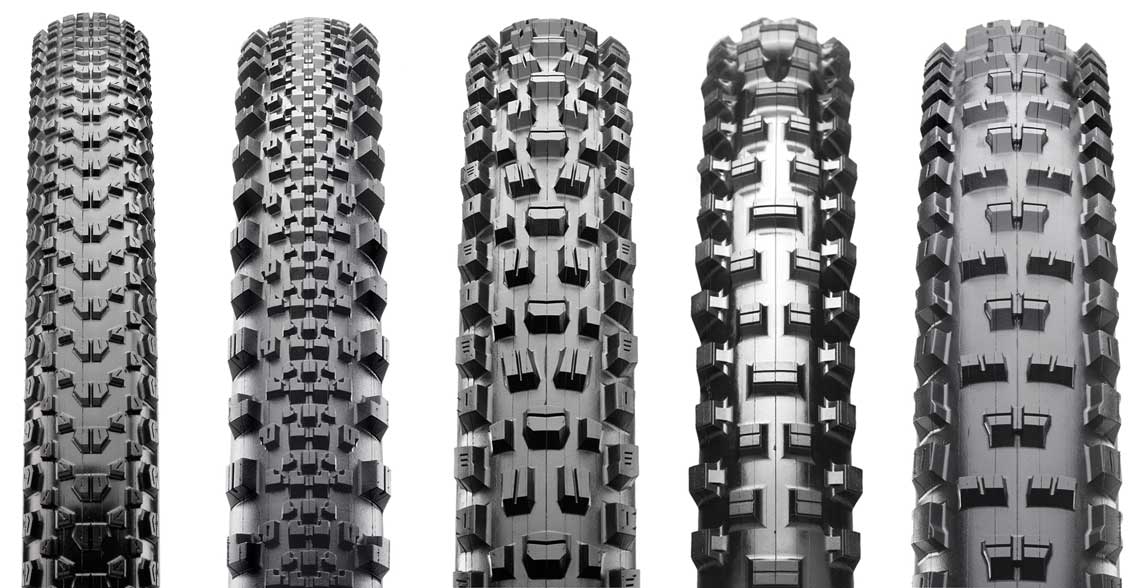
It’s important to choose the right mountain bike tires for the terrain you’ll be riding on. Here are a few things to consider when making your decision:1. Tire width: Wider tires provide more traction and stability, while narrower tires are lighter and faster.
Choose a width that’s appropriate for the conditions you’ll be riding in.2. Tread pattern: The tread pattern of your tires should match the terrain you’ll be riding on. For example, if you’ll be riding mostly on dirt trails, choose tires with aggressive tread patterns for better grip.
If you’ll be riding on smoother surfaces, such as pavement or fire roads, choose tires with less aggressive tread patterns.3. Tube type: There are two types of mountain bike tubes – Presta and Schrader. Schrader tubes are compatible with most pump heads and have a wider valve stem than Presta tubes.
Presta tubes are lighter weight but can be difficult to find at some gas stations or repair shops. Choose the type that’s compatible with your pumping equipment and preferences.4 .
Tubeless or not?: Tubeless mountain bike tires offer several benefits over traditional tubed tires, such as reduced punctures and weight savings . However, they can be more difficult to set up and require special sealant .
If you’re unsure about whether or not to go tubeless , ask your local bike shop for advice .
How Do You Measure a Mountain Bike Tire?
In order to measure a mountain bike tire, you will need the following tools: a tape measure, a ruler, and a caliper. You will also need to know the width of your rims.To start, measure the width of your mountain bike tire from one sidewall to the other.
Next, use the ruler to measure the distance from the center of the tread (the raised portion of the tire that comes into contact with the ground) to the outer edge of the sidewall. Finally, compare these measurements to those listed on our website or in our sizing chart to determine what size mountain bike tire you need.If you have any questions about measuring your mountain bike tires or finding the right size for your bike, please feel free to contact us and we would be happy to assist you further.
What Better 27.5 Or 29?
There isn’t a definitive answer to this question as it depends on personal preferences and riding style. Some people prefer 27.5-inch wheels because they offer better maneuverability and are easier to control on technical trails. Others prefer 29-inch wheels because they roll over obstacles more easily and provide a smoother ride.
Ultimately, it comes down to what feels best for you and what works best for your riding style.
What Size are 27.5 Bike Tires?
27.5 bike tires, also known as 650b tires, are typically between 60 and 70 millimeters wide. However, tire widths can vary greatly depending on the manufacturer and intended use of the tire. For example, some downhill-specific tires can be as wide as 82 millimeters.
The most important thing to consider when choosing a 27.5 bike tire is its width. That said, there are a few other factors that come into play when selecting the right size tire for your bike. These include the type of terrain you’ll be riding on, the tread pattern and compound you prefer, and your personal preferences in terms of ride quality and rolling resistance.
What To Look For When Choosing A New MTB Tyre? | Everything You Need To Know
Mountain Bike Tires 26
Whether you’re a seasoned mountain biker or just getting started, one of the most important pieces of equipment you need is a good set of tires. Mountain bike tires come in a variety of sizes, but 26-inch tires are by far the most popular. That’s because they offer a good balance of speed and comfort while still being able to handle rugged terrain.
If you’re looking for the best 26-inch mountain bike tires, there are a few things to keep in mind. First, think about the type of riding you’ll be doing most often. If you plan on hitting the trails hard, you’ll want something with plenty of grip and puncture resistance.
On the other hand, if you just want to cruise around your neighborhood or local park, something lighter and faster will do the trick.Once you know what kind of riding you’ll be doing, it’s time to start narrowing down your options. There are dozens of different 26-inch mountain bike tires on the market, so it can be tough to know where to start.
But don’t worry – we’ve got you covered. We’ve rounded up five of the best 26-inch mountain bike tires below, so all you have to do is choose the right one for your needs!
Conclusion
Mountain bike tires are an important part of the bike, and there are a few things to consider when purchasing them. The first is the type of terrain you’ll be riding on. If you’ll be mostly on paved roads, then a road bike tire is a good choice.
However, if you plan to ride off-road, then a mountain bike tire is a better option. There are also different widths available, so you’ll want to choose the right width for your bike.Once you’ve decided on the type of tire you need, the next step is to determine the size.
Mountain bike tires come in 26″, 27.5″, and 29″ sizes. The best way to figure out what size you need is to look at the existing tires on your bike and match them up with the new ones you’re considering.Finally, once you’ve found the right mountain bike tires for your needs, it’s time to install them.
This process is relatively simple and only requires a few tools. First, remove the old tires from your wheels using a tire lever or similar tool. Next, line up the new tire with the wheel and use your hands to push it into place.
Once it’s seated properly, use a pedal wrench or other tool to tighten down the bolts that hold it in place (usually 8-10).
How to Get Free Rims And Tires
There are a lot of people out there who would love to have free rims and tires. Unfortunately, most of them don’t know how to go about getting them. If you’re one of those people, then this blog post is for you.
Below, we’ll give you a few tips on how to get your hands on some free rims and tires.
- Look for a reputable company that offers free rims and tires
- There are many companies that offer this service, so do your research to find one that is trustworthy
- Find out what type of vehicle you need to have in order to qualify for the free rims and tires
- Some companies may require that you have a certain type of car or truck, while others may be more flexible
- Schedule an appointment with the company to have your rims and tires installed
- This process usually takes a few hours, so be sure to allow enough time for it
- Enjoy your new rims and tires! Be sure to take care of them so they last as long as possible
Credit: www.wheelsforwishes.org
How Can I Get New Rims Cheap?
There are a few ways that you can get new rims cheap. You can either buy them used, or find a good sale on new ones.If you want to buy used rims, you can check out your local salvage yard or junkyard.
Often times, they will have rims that are in good condition for a fraction of the price of new ones. You can also check online classifieds sites like Craigslist or eBay for good deals on used rims.If you’re looking for new rims, you can often find good sales at tire and wheel retailers around big holidays like Memorial Day or Fourth of July.
You might also be able to find some good deals if you purchase your rims through an online retailer. Just be sure to do your research before buying anything so that you know you’re getting a good deal.
How Much Does a Rim And Tire Cost?
There is no definitive answer to this question as the cost of rims and tires can vary greatly depending on a number of factors. Some of the things that can affect the cost include the type and size of the rim and tire, the brand, where you purchase them, and any special features or finishes.Generally speaking, you can expect to pay anywhere from $100 to $1,000 or more for a complete set of rims and tires.
Of course, if you only need a single tire or rim, the price will be significantly less. When shopping for rims and tires, it is important to keep in mind that you typically get what you pay for. Cheap options may save you money upfront, but they may not provide the same quality or performance as more expensive options.
Can You Buy Rims With Tires on Them?
If you’re in the market for new rims, you may be wondering if it’s possible to buy them with tires already mounted. The answer is yes! Many retailers offer tire and wheel packages that include everything you need to get your car up and running with a new set of wheels.
There are a few things to keep in mind when shopping for tire and wheel packages. First, make sure to select the right size package for your vehicle. Second, be aware that some packages come with low-quality tires that may not last very long.
And finally, remember that installation costs can vary significantly from one retailer to another.Overall, buying tire and wheel packages can be a great way to save time and money on your next rim purchase. Just be sure to do your research before making a final decision!
Will Discount Tire Put on New Rims?
Discount Tire is a popular tire retailer that also offers wheel alignment and other auto services. Many people wonder if Discount Tire will put new rims on their car. The answer is yes, Discount Tire can put new rims on your car.
However, there are a few things to keep in mind before you take your car in for this service.First of all, you need to make sure that the new rims you want will fit your car. Discount Tire can help you with this by providing a vehicle fit guide on their website.
You’ll need to know the make, model, and year of your car as well as the size of the tires you currently have. With this information, Discount Tire will be able to tell you what sizes and styles of rims will work with your car.Once you’ve selected the perfect set of new rims, it’s time to make an appointment at your nearest Discount Tire location.
When you arrive for your appointment, the technicians will first remove your old rims and then clean up any remaining adhesive from the mounting surface of your car. They’ll then carefully place the new rims onto your car and secure them using lug nuts. Once they’re finished, they’ll test drive your car to make sure everything is working properly before sending you on your way!
This trick got me unlimited FREE wheels & tires
Free Rims near Me
If you’re looking for free rims near you, there are a few places to check. First, try your local classifieds or online classifieds sites. You may be able to find someone who’s willing to give away their old rims.
Another option is to check with your local salvage yard or junkyard. They may have some rims that you can take for free. Finally, you can always ask around at your local auto shops or tire stores.
They may know of someone who’s trying to get rid of their old rims and would be willing to give them away for free.
Conclusion
If you’re looking to get free rims and tires, there are a few avenues you can explore. You can check with your local tire shop or auto body shop to see if they have any promotions or discounts going on. You can also search online for coupons or deals.
Another option is to trade in your old rims and tires for new ones at a rim and tire store. Finally, you can try contacting a rim and tire manufacturer directly to see if they have any programs that would allow you to get free rims and tires.
How to Check Tires on Used Car
If you’re thinking about buying a used car, it’s important to know how to check the tires. This is especially true if you’re not familiar with the car model and don’t know when the tires were last replaced. Here are some tips on how to check tires on a used car:
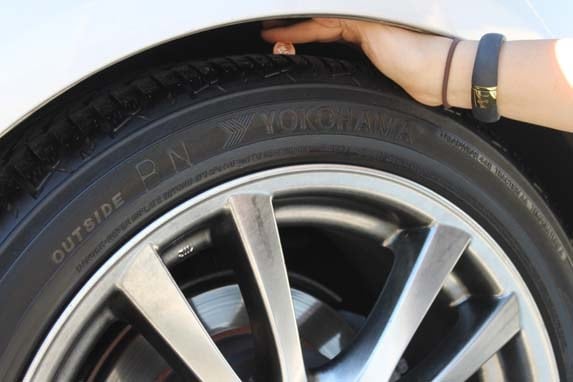
First, take a close look at the tread. You should be able to see tire tread wear indicators, which are raised bars or ridges located in the deepest grooves of the tread. If these bars or ridges are even with the surrounding tread, it’s time for new tires.
Next, check for bald spots or cuts in the sidewalls of the tires. These can be caused by driving over potholes or other road hazards. If you see any bald spots or cuts, have a professional inspect the tire to see if it needs to be replaced.
Finally, make sure that all four tires are inflated to the correct pressure. The recommended tire pressure can be found in your car’s owner’s manual or on a sticker inside the driver’s doorjamb. Underinflated tires can lead to poor fuel economy and premature tire wear.
- Before you start shopping for a used car, it is important to know how to check the condition of the tires
- You will want to look for any visible signs of damage, such as cracks, punctures, or bald spots
- It is also important to check the tread depth of the tires
- The tread depth should be at least 4/32 of an inch
- If you are not sure how to check the tread depth, you can ask a salesperson or mechanic at the dealership for help
Credit: www.kbb.com
How Do You Check Tire Tread on Used Tires?
When you are in the market for new or used tires, it is important to know how to check tire tread. This will ensure that you are getting a quality product that will last. There are a few different ways to check tire tread depth, and each has its own advantages and disadvantages.
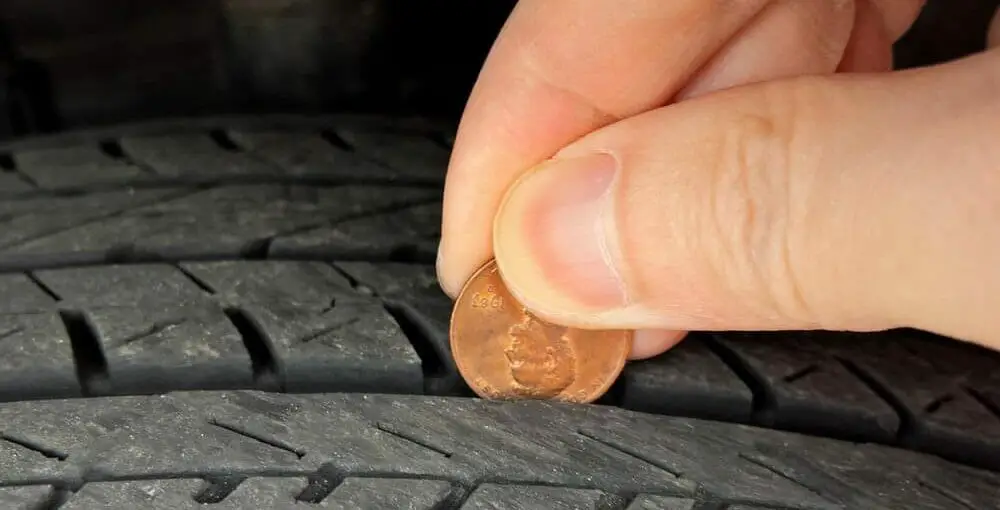
The first way to check tire tread depth is with a penny. Simply insert the penny into the tread grooves headfirst. If you can see all of Lincoln’s head, then the treads are less than 2/32″ deep and it’s time for new tires. If part of Lincoln’s head is obscured by the tread, then the depth is between 2/32″ and 4/32″. depths greater than 4/32″ are considered safe for use.
Another way to measure tread depth is with a ruler or measuring tape. Insert the ruler into the center of the tread groove and measure from the bottom of the groove to the top of the rubber. Once again, depths less than 2/32″ need to be replaced while those between 2/32″ and 4/32″ are still safe for use.
The final way to check tire tread depth is with a special tool called a durometer. This measures the hardness of rubber and can give you an accurate reading of how much life your tires have left in them. Keep in mind that this method should only be used on new tires, as old tires may not give an accurate reading.
No matter which method you choose, it is important to regularly check your tire tread depth. Doing so will help ensure that your tires last as long as possible and keep you safe on the roadways!
How Do I Check My Tires on My Car?
It’s important to check your tires on a regular basis to ensure they are properly inflated and have enough tread. Here are some tips on how to check your tires:1. Use a tire pressure gauge to check the air pressure in each tire, including the spare.
The ideal pressure for most passenger cars is between 32 and 35 psi (pounds per square inch).2. Check the tread depth of each tire using a tread depth gauge or by inserting a penny headfirst into the tread grooves. If you can see all of Abraham Lincoln’s head, then the tread is worn down and it’s time for new tires.
3. Inspect the sidewalls of each tire for cracks, bulges, or other damage. If you see any damage, have the tire inspected by a professional as soon as possible.4. Take note of any unusual vibrations or shakiness while driving, as this could be an indication that one or more tires are out of balance or that there is another issue with the vehicle’s suspension system.
How Old Can Tires Be on a Used Car?
It’s common for drivers to want to save money by buying used tires, but how old can they be? Tires are one of the most important safety features on a car, so it’s important to make sure they’re in good condition.The maximum age for a tire is six years from the date of manufacture, so if you’re looking at used tires, be sure to check the date code.
The date code is a four-digit code that indicates when the tire was made. The first two digits indicate the week of production and the last two digits indicate the year. For example, a tire with a date code of 2504 would have been manufactured in the 25th week of 2004.
Keep in mind that even if a tire is within its max age limit, it may not be safe to use. If a tire has been damaged or improperly repaired, it could fail prematurely. It’s always best to err on the side of caution and get new tires if you’re unsure about their condition.
How Do You Check If Your Tires are Ok?
It’s important to regularly check your tires to make sure they are in good condition and have enough tread. There are a few different ways you can check your tires.One way is to use a tire gauge.
You can find these at most auto parts stores. Just insert the tire gauge into the tire’s valve stem and get a reading. The ideal reading should be between 30 and 35 PSI (pounds per square inch).
If it’s below that, you’ll need to add air; if it’s above, you should let some out.Another way to check your tires is by doing the “penny test.” Take a penny and insert it into the tread of your tire, with Lincoln’s head pointing down into the tread.
If you can see all of Lincoln’s head, that means your tread depth is less than 2/32 of an inch and you need new tires ASAP. But if part of Lincoln’s head is covered by the tread, then your tires are still OK for now.You can also visually inspect your tires for any signs of wear or damage, such as cracks in the sidewall or bulges in the tread.
These are signs that your tire may be damaged and could fail while you’re driving, so it needs to be replaced immediately.It’s easy to take our tires for granted since they don’t require much maintenance – just a little air every now and then. But it’s important to remember that they are what keep our cars running smoothly and safely on the road, so we need to take care of them!
What To Look For When Buying New or Used Tires buy tires how to read tires car advice
Can a Dealer Sell You a Car With Bad Tires
If you’re in the market for a new car, you might be wondering if a dealer can sell you a car with bad tires. The answer is yes – but there are a few things you should know first.For starters, it’s important to understand that dealers are not required to disclose any information about the condition of the tires on a used car.
So, if you’re buying a used car from a dealer, be sure to inspect the tires yourself before making your purchase.If you do find that the dealer has sold you a car with bad tires, there are a few options available to you. First, you can try to negotiate with the dealer for a lower price or ask them to replace the tires before you take delivery of the vehicle.
If neither of those options is possible or desirable, your next best bet is to file a complaint with your state’s attorney general’s office or consumer protection agency.Of course, it’s always best to avoid buying a car with bad tires in the first place by doing your homework and thoroughly inspecting any vehicle before making a purchase. But if you do find yourself in this situation, remember that you have rights and options available to you.
Conclusion
If you’re in the market for a used car, it’s important to know how to check the tires. The condition of the tires can tell you a lot about the overall condition of the vehicle and whether or not it has been well-maintained. Here are a few things to look for when inspecting used car tires:
1. Check the tread depth. The tread depth should be at least 4/32 of an inch. If it’s any less than that, the tire needs to be replaced.
2. Look for uneven wear patterns. This could indicate problems with the alignment or suspension.3. Inspect the sidewalls for cracks or other damage.
This could be a sign that the tires are old and need to be replaced.