
- Home
- Archive: August, 2023
How to Check Traction on Tires
If you live in an area with a lot of rain or snow, it’s important to know how to check the traction on your tires. Traction is what helps your car grip the road and keep you safe while driving. There are a few different ways to check the traction on your tires.
The first way is to do a visual inspection.
- Traction is the gripping action of your tires on the road surface
- It is affected by many factors, including tire type, inflation, road conditions, and weather
- To check traction, you will need a few supplies: a straight piece of level ground that is at least 10 feet long, a stopwatch or timer, and another person to act as a spotter
- Have your spotter hold one end of the level ground while you drive slowly forward from the other end
- Start your timer when your front tires cross the starting line and stop it when your rear tires cross the finish line
- This will give you your elapsed time for the 10-foot distance
- Repeat this process two more times and average out your three results to get a more accurate reading
- A good result should be around 2 seconds or less; anything over 4 seconds indicates poor traction
Credit: content.govdelivery.com
How Do You Know If Your Tire Tread is Good?
Tire tread is an important part of a tire, as it helps to provide traction on the road. Good tire tread can help to improve a driver’s safety, as well as the vehicle’s handling and performance. There are a few ways to check if your tire tread is good.
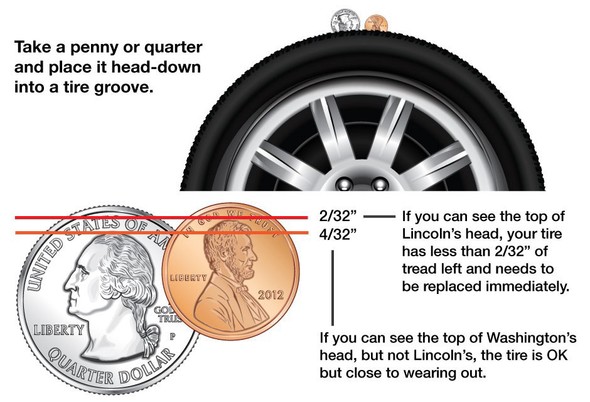
One way to check is by using the penny test. To do this, insert a penny into your tire’s tread with Lincoln’s head facing down. If you can see all of Lincoln’s head, then your tread depth is less than 2/32 inch and you should replace your tires.
Another way to measure your tread depth is by using a tread wear indicator (TWI). TWIs are raised bars located in the grooves of your tires that show when your tire has reached its minimum recommended tread depth. You can find these indicators by looking at the bottom of each groove around your tire’s circumference.
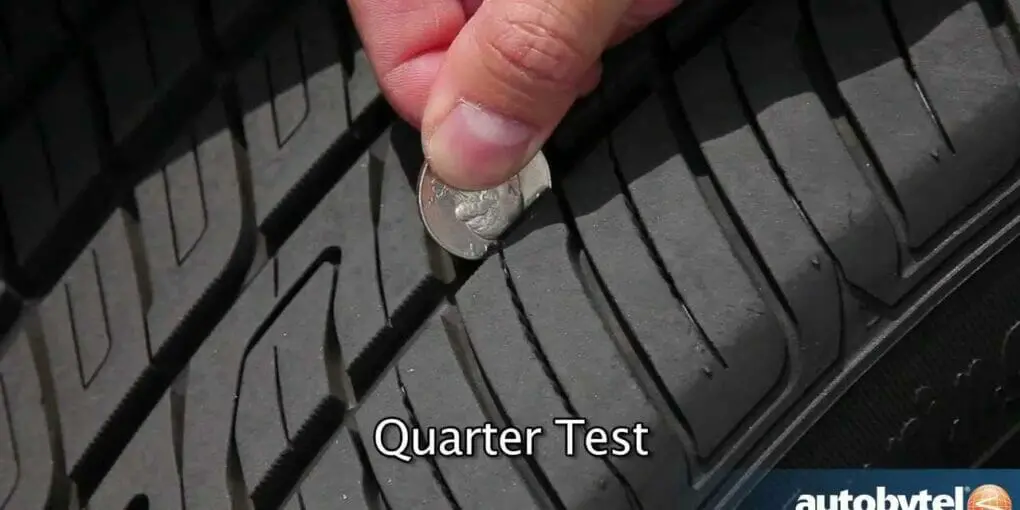
If you don’t have a TWI or penny handy, another quick way to check if your tires need replacing is by doing the quarter test. For this test, simply place a quarter into one of the grooves on your tire with Washington’s head upside down and facing you. If you can see all of Washington’s head, then your tread depth is less than 4/32 inch and it’s time for new tires!
Is the Penny Test for Tires Accurate?
There are a lot of ways to test the tread depth of your tires, but the most common is the penny test. You simply take a penny and insert it into the tread groove of your tire. If you can see all of Lincoln’s head, then your tread depth is less than 2/32nds of an inch and it’s time to replace your tires.
If you can’t see any of his head, then your tread depth is more than 4/32nds and you’re good to go.But what about those in-between cases? Is the penny test accurate?
Turns out, it’s actually pretty close. The industry standard for minimum tread depth is 2/32nds of an inch, so if you can see all of Lincoln’s head, you’re definitely below that threshold. And 4/32nds is generally considered to be the maximum safe tread depth, so if you can’t see any of his head, you’re well above it.
Of course, there are always exceptions and caveats. For instance, if you live in an area with particularly harsh winters, you might want to err on the side of caution and replace your tires sooner rather than later. But in general, the penny test is a quick and easy way to get a pretty good idea of whether or not your tires need to be replaced.
How to Check Tire Pressure for Traction, Handling & Comfort
Tread Wear Indicator
Tread wear indicator, also called TWI, is a small raised portion of the tire tread that helps indicate when the tire has reached its safe limit. The TWI is located in the bottom of the tread grooves and becomes visible as the tire wears down. As tires approach their maximum tread depth, they lose traction and grip on wet roads, which can lead to hydroplaning and serious accidents.
Therefore, it’s important to check your tires regularly and replace them when the TWI becomes visible.
Conclusion
If you’re not sure how to check the traction on your tires, don’t worry – it’s a pretty easy process. All you need is a penny and a few minutes. Here’s what you do:
1. Insert the penny into the tread of your tire at different points around the circumference.
2. If the top of Lincoln’s head is visible at any point, your tread depth is less than 2/32″ and it’s time to replace your tires.
3. If the top of Lincoln’s head is only partially visible, your tread depth is between 2/32″ and 4/32″.
This means that your tires still have some life left in them, but you should keep an eye on them and consider replacing them soon.
4. If you can’t see Lincoln’s head at all, congratulations – your tread depth is greater than 4/32″! This means that your tires are in good condition and don’t need to be replaced just yet.
How to Rotate Asymmetric Tires
Asymmetric tires are those that have different tread patterns on the left and right sides of the tire. Many people choose to rotate their asymmetric tires for even wear and tear, but it can be tricky to do so. Here is a step-by-step guide on how to rotate your asymmetric tires.
- If you have a car with asymmetrical tires, it is important to know how to rotate them correctly
- Asymmetrical tires are designed so that they can be rotated in different directions
- The following steps will show you how to rotate your asymmetrical tires correctly:1
- Park your car on a level surface and set the parking brake
- Remove the hubcaps or wheel covers from the wheels that you will be working on
- Loosen the lug nuts on the wheels using a wrench
- Do not remove them completely at this time
- Place a jack under one of the wheels and lift it off the ground
- Remove the lug nuts completely and remove the wheel from the vehicle
- Flip the tire over and reinstall it on the opposite side of the vehicle, making sure that it is facing in the correct direction according to its markings
- Torque lug nuts to manufacturer’s specification 7 Installthe spare tire, if necessary

Credit: www.youtube.com
Can Asymmetric Tires Be Rotated Side to Side?
Asymmetric tires are designed for specific mounting positions on a vehicle. The tread pattern is engineered to provide optimum performance in that position. Therefore, it is not recommended to rotate asymmetric tires from side to side.
Are Asymmetric Tires Directional?
Asymmetric tires are designed with different tread patterns on each side of the tire. The tread pattern on the left side of the tire is different than the tread pattern on the right side. This allows for better grip and traction when cornering.
Asymmetric tires are not directional, meaning they can be rotated in any direction.
Can Asymmetrical Tires Be Mounted Backwards?
Asymmetrical tires are designed to be mounted with the heavy tread on the outside. This helps to provide stability and even wear. If you mount them backwards, the heavy tread will be on the inside and can cause problems with stability and uneven wear.
Should I Rotate My Tires Even If Only Two are New?
If you’ve just replaced two tires on your car, should you rotate the other two to even things out? The answer may surprise you.Most people believe that rotating their tires will help them last longer.
After all, it seems logical that distributing the wear and tear evenly would make sense. However, many tire experts say that this isn’t necessarily the case.Here’s the thing: When you replace two tires, they’re usually not the same size or type as the ones you’re taking off.
So, if you rotate them, they may not fit properly or perform as well as they should. In fact, rotating mismatched tires can actually shorten their lifespan.If you do decide to rotate your tires after replacing two of them, be sure to consult your owner’s manual or a professional mechanic first.
They can help ensure that your tires are compatible and rotated correctly.
#TireTuesday: What is the difference between a symmetrical and asymmetrical tire
Asymmetrical Tire Direction
Most drivers are familiar with the concept of tire rotation – moving your tires from one position on your car to another to ensure even wear. But did you know that there’s a specific way to rotate your tires? It’s called asymmetrical tire direction, and it’s important for proper tire maintenance.
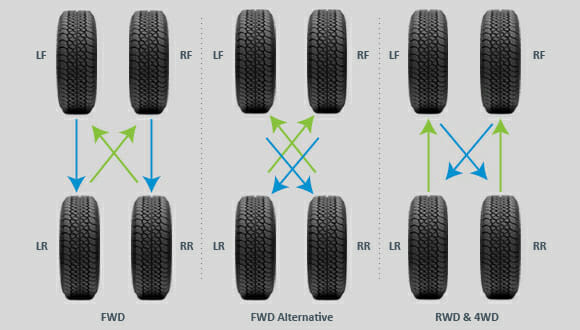
Asymmetrical tire direction simply means that when you rotate your tires, you don’t put them back in the same position as before. For example, if your front left tire is currently in the back right position, you would want to move it to the front right position during rotation. This might seem like a minor detail, but it’s actually quite important for maintaining even tire wear.
If you always put your tires back in the same position, certain areas of the tread will begin to show more wear than others. This can lead to premature Tire failure and decreased fuel efficiency. Asymmetrical tire direction helps prevent this by evenly distributing wear across all areas of the tread.
So next time you go to rotate your tires, be sure to follow an asymmetrical pattern! Your tires will thank you for it in the long run.
Conclusion
If your car has asymmetric tires, it’s important to rotate them regularly. Asymmetric tires have different tread patterns on the left and right sides, so they can’t be swapped from one side to the other. Instead, they should be rotated front to back and left to right.
This will ensure even wear and prolong the life of your tires.

How to Soften Dirt Track Tires
This is a question that I get asked a lot, and it’s one that can be difficult to answer. There are a few different ways to soften dirt track tires, and each method has its own set of pros and cons. In this blog post, I’ll outline a few of the most popular methods for softening dirt track tires so that you can make an informed decision about which method is right for you.
- If you’re looking to soften your dirt track tires, there are a few things you can do
- First, try running them at a lower pressure
- This will help the tire to deform more and get a better grip on the track
- You can also try adding some weight to the car – this will help transfer more force to the rear tires and give them more traction
- Finally, make sure your tires are clean and free of debris – this will help them grip the track better and prevent slipping
Credit: www.youtube.com
How Do You Soften Stiff Rubber Tires?
One way to soften rubber tires is to place them in hot water. This will make the tires more pliable and easier to work with. Another way to soften rubber tires is to use a chemical softener.
This can be applied directly to the tire or added to the hot water. Be sure to follow the directions on the chemical softener bottle for best results.
How Do You Prepare Dirt Track Tires?
A good dirt track tire prep starts with a clean surface. Any dirt, grime or grease on the tire will prevent the adhesives and chemicals in the tire prep from working properly. So the first step is to clean the tires with a degreaser or solvent.
Once the tires are clean, they need to be abraded so that the prep can get a good grip on the surface of the tire. The easiest way to do this is with a wire brush. Just make sure to brush in one direction only so you don’t damage the tire too much.
After scrubbing with a wire brush, you should rinse the tires off with water to remove any loose debris. Once they’re rinsed, you can start prepping them for racing.There are many different products available for prepping dirt track tires, but most of them fall into one of two categories: adhesive or chemical.
Adhesive-based products work by creating a physical bond between the tire and track surface. Chemical-based products work by chemically altering either the tire or track surface (or both) to create better traction.The type of product you use will depend on your personal preference as well as what type of racing you’re doing (sprint car, late model, etc.).
Some racers even use a combination of both adhesive and chemical products to get maximum traction.
Will Acetone Soften Tires?
No, acetone will not soften tires. In fact, it can actually harden them and make them more difficult to work with. Acetone is a strong solvent that can break down many materials, including some types of plastics.
Will Paint Thinner Soften Tires?
Paint thinner is a solvent that can be used to remove paint from surfaces. It can also be used to clean up oil and grease stains. Paint thinner is made from petroleum products and is highly flammable.
It should be used in well-ventilated areas and kept away from heat sources. Paint thinner will not soften tires.
HOW TO Soften up hard WPL tires (best and free method)
What Chemical Will Soften Tires?
Most people don’t think about the chemicals that are used to soften tires, but they are an important part of the process. There are a few different chemicals that can be used to soften tires, and each has its own advantages and disadvantages. The most common chemical used to soften tires is sulfuric acid.
This chemical is very effective at softening tires, but it is also very corrosive. It can cause damage to the tire if it is not used properly, so it is important to be careful when using it. Another chemical that can be used to soften tires is potassium hydroxide.
This chemical is less corrosive than sulfuric acid, but it is not as effective at softening tires. It is also more expensive than sulfuric acid, so it is not as commonly used. The last chemical that can be used to soften tires is sodium hydroxide.
This chemical is the least corrosive of the three options, but it is also the least effective at softening tires.
Conclusion
If you’re running on a dirt track, you want your tires to be as soft as possible. But how do you soften them up? Here are a few tips:
1. Use a tire softener. This is a chemical that you can add to your tires that will help to soften them up.2. Scuff them up.
You can use a wire brush or something similar to scuff up the surface of your tires. This will help to create more grip.3. Soak them in water.
This will help to soften the rubber and make it more pliable.4. Use heat. You can use a heat gun or even a hair dryer to heat up the tires before you race on them.
This will help to soften them up even more.
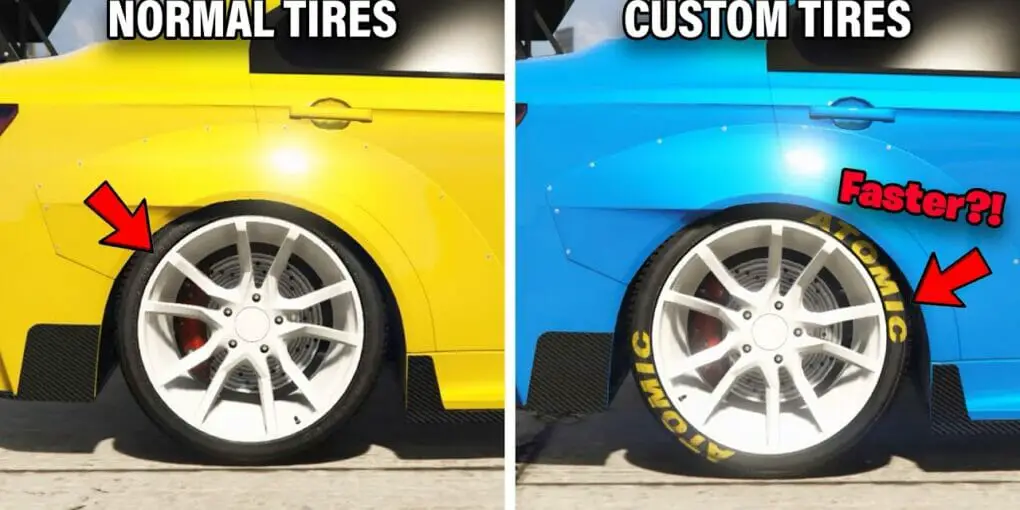
How to Get Custom Tires in Gta
There are many ways to get custom tires in GTA. The most common way is to find a mod shop that sells them, or to buy them online. There are also some race tracks that sell custom tires.
If you want to get the best deal on custom tires, it’s important to shop around and compare prices.
- In order to get custom tires in GTA, the first thing you need to do is go to a tire shop
- Once you’re at the tire shop, you’ll need to purchase the tires that you want
- After purchasing the tires, they will be installed on your vehicle
Credit: www.reddit.com
How Do You Get Custom Stock Wheels in Gta 5?
In GTA 5, you can get custom stock wheels by purchasing them from the Wheel Arch Angels in Los Santos. You can also find them on the street corners in certain areas of the city.
How Do You Get Colored Tires in Gta 5?
In GTA 5, you can get colored tires by purchasing them from Los Santos Customs. To do this, go to the “Modifications” section and select “Tires.” From here, you can choose the color of your tires.
How Do You Get Slanted Tires in Gta 5?
There are a few ways to get slanted tires in GTA 5:1) You can find them lying around on the ground in certain locations.2) You can buy them from tire shops.
3) You can steal them from other cars.
How Do I Change My Tires in Gta Online?
If you’re playing GTA Online and find yourself in need of a tire change, don’t worry – it’s easy to do. Just follow these simple steps:1. Find a suitable location.
You’ll need somewhere with enough space to comfortably work on your car. A parking garage or underground lot is ideal.2. Park your car and set the handbrake.
Make sure the area around your car is clear of any obstacles or other cars.3. Enter the “Customize” menu for your car. This can be done by pressing Up on the D-pad while in your vehicle.
4. Select “Wheels” from the customization options. Here you’ll be able to choose from a variety of different wheel types, sizes and colors.
How to get Custom Tires in GTA V Online/Story Mode
How to Get Atomic Tires – Gta 5
Most people don’t know this, but you can actually get Atomic Tires in GTA 5. Here’s how:1. Go to any Los Santos Customs and purchase the “Atomic” Tire Upgrade for $50,000.
2. Head to any Pay ‘n’ Spray and have your vehicle sprayed with the “Atomic” paint job. This will cost you an additional $100,000.
3. Once you’ve done that, simply drive around until you find a random event where someone has lost their tire.
Take the tire and replace one of your own tires with it.
4. That’s it! You now have Atomic Tires on your vehicle!
Conclusion
There are a few ways that you can get custom tires in GTA. You can either buy them from a mod shop or find them in the game world. If you want to buy them from a mod shop, you will need to find one that sells tires.
There are a few of these shops around the city, but they are not always easy to find. If you know where to look, you should be able to find one without too much trouble. Once you have found a mod shop that sells tires, you will need to purchase the tire of your choice.
The prices for tires vary depending on the type of tire and the size of the tire. You should be able to find a tire that fits your budget and needs. If you cannot find a tire that you like at a mod shop, you can always try looking for them in the game world.
There are often tires scattered around the map, especially in areas where there are cars parked. You may have to search for a while before you find what you are looking for, but it is possible to find custom tires this way.
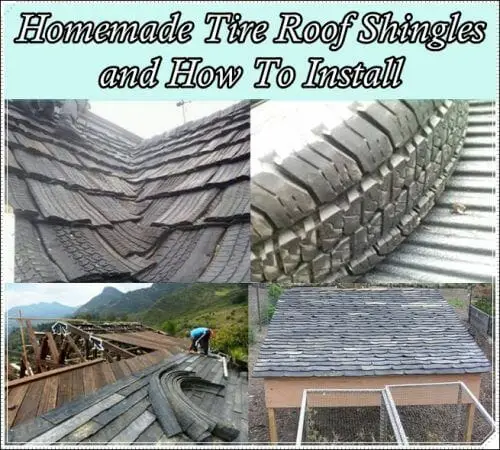
How to Cut Tires into Shingles
Tire shingles are a type of roofing material made from recycled tires. They are durable and eco-friendly, and can be used on both residential and commercial buildings. While they are typically more expensive than traditional asphalt shingles, tire shingles can last up to 50 years with proper maintenance.
If you’re interested in using tire shingles on your own roof, here’s how to cut them into the proper size and shape.
- The first step is to identify the area of the tire that you want to cut into shingles
- Next, use a sharp knife to make a series of evenly spaced cuts around the circumference of the tire
- Once you have made all of your cuts, begin gently pulling or prying the tire shingles off of the main body of the tire
- You can then trim any rough edges off of your shingles with a utility knife if desired

Credit: www.downhomeinspiration.com
Which Roofing Option Can Be Made from Recycled Tires?
One roofing option that can be made from recycled tires is known as a rubber roof. This type of roofing is created by shredding or grinding up old tires into small pieces, which are then used as the main material for the roof. Rubber roofs have a number of advantages, including being very durable and weather-resistant.
They also tend to be quite environmentally friendly, since they’re made from recycled materials. However, rubber roofs can be quite expensive, so they may not be the best option for everyone.
Do They Make Rubber Shingles?
Yes, they do make rubber shingles. They are made from recycled tires and are said to be more durable than traditional asphalt shingles. Rubber shingles are also fire resistant and can withstand high winds.
Are Rubber Shingles Good?
When it comes to your roof, you want to make sure you choose a material that will withstand the elements and last for years to come. Rubber shingles are an increasingly popular option for roofs, but are they really the best choice? In this article, we’ll take a closer look at rubber shingles to help you decide if they’re right for your home.
What Are Rubber Shingles?Rubber shingles are made from recycled tires and other rubber products. They offer a durable and eco-friendly option for roofing.
Most rubber shingles have a Class A fire rating, which is the highest rating possible. This means they’re highly resistant to fire, making them a good choice for areas prone to wildfires.Another advantage of rubber shingles is that they’re impact resistant.
This makes them ideal for areas where severe weather is common. They can withstand high winds and hail without being damaged. Rubber shingles also hold up well in extreme heat and cold temperatures.
Are Rubber Shingles Good? Pros and ConsNow that we’ve looked at some of the benefits of rubber shingles, let’s take a look at some of the potential drawbacks:
• They’re more expensive than traditional asphalt shingles• They’re not as easy to install as asphalt shingles• Some people find them less aesthetically pleasing than other roofing materials
• They may not be available in all areasAs you can see, there are both pros and cons to using rubber shingLES ON YOUR ROOF..
Are Rubber Shingles Better Than Asphalt?
There are several types of roofing shingles, each with its own set of pros and cons. Asphalt shingles are the most common type of roofing material in the United States, but rubber shingles are gaining in popularity due to their many benefits. Here’s a look at the pros and cons of rubber vs. asphalt shingles to help you decide which type is right for your home.
Asphalt ShinglesAsphalt shingles are made from a fiberglass or organic mat that is coated with asphalt and topped with ceramic granules. They are available in a variety of colors and styles to suit any home’s exterior.
Asphalt shingles are relatively inexpensive and easy to install, making them a popular choice for many homeowners.One downside of asphalt shingles is that they don’t last as long as other types of roofing materials. They also tend to be less durable in hot climates, where the intense heat can cause the asphalt to break down prematurely.
In addition, dark-colored asphalt shingles can absorb heat from the sun, making your home hotter during summer months.Rubber ShinglesRubber shingles are made from recycled tires and other synthetic rubber products.
They offer superior durability compared to asphalt shingles, as well as excellent resistance to fire, wind, hail, and UV rays. Rubber roofs also stay cooler than asphalt roofs in hot weather because they reflect sunlight rather than absorbing it. Another benefit of rubber roofs is that they’re environmentally friendly since they’re made from recycled materials.
.
Cutting tires for homestead projects
How to Make Tire Shingles
Tire shingles are a type of roofing material made from recycled tires. They are durable and eco-friendly, and can be used on both residential and commercial buildings. Here’s how to make your own tire shingles.
What You’ll Need:-A circular saw
-A sharp knife
-Recycled tires (at least 3)
-Gravel or sand
-Sturdy wire or twine
-An old piece of carpet or a tarp (optional)Instructions:1. Using the circular saw, cut the top and bottom off of each tire.
You should now have three long cylinders.2. Cut each cylinder lengthwise into four equal pieces. You should now have 12 tire shards total.
3. Take two of the shards and overlap them slightly so that they form an X shape. Secure them together in the center with the wire or twine. Repeat this step with the remaining shards until you have six X shapes total.
These will be your tire shingles.4. If desired, cover your work area with the carpet or tarp to catch any gravel or sand that falls off during the next step.5a) For a gravel finish: liberally coat all sides of each shingle with gravel or sand, using your hands to press it into place if necessary. Allow excess material to fall off before moving on to the next shingle; b) For a smooth finish: spread a layer of asphalt over all sides of each shingle using a putty knife or similar tool, then immediately smooth it out with your hands before moving on to the next shingle.. Asphalt can be messy, so consider doing this step outdoors or in an area where cleanup will not be an issue.. Let the asphalt dry completely before proceeding to step 6.. This could take several hours depending on temperature and humidity levels..
6) Once dry, install your tire shingles on your roof following standard installation procedures for whatever type of roof you have.. If you’re unsure how to do this, consult a professional roofer.. And there you have it – your very own eco-friendly roof made from recycled tires!
Conclusion
This blog post explains how to cut tires into shingles. First, the tire is cut in half with a saw. Next, the halves are cut into thirds.
Finally, the thirds are cut into fourths. The result is eight pieces of tire that can be used as shingles.
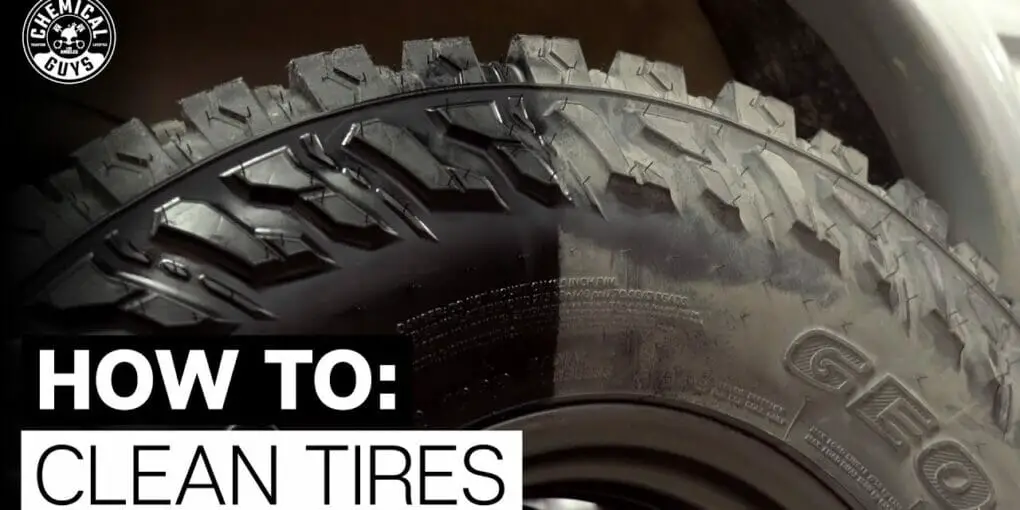
How to Clean off Road Tires
If you’ve ever been off-roading, you know that your tires can get pretty dirty. Here’s a quick and easy way to clean them off so you’re ready for your next adventure.First, start by hosing down your tires with water.
You can use a power washer if you have one, but it’s not necessary. Just make sure all the mud and debris is removed.Next, mix up a solution of dish soap and water in a bucket.
Use a sponge or brush to scrub the tires thoroughly with this mixture. Pay extra attention to any areas that are still dirty.Rinse the soap off with more water from the hose.
Then, use a towel to dry the tires completely.And that’s it! Your tires are now clean and ready for whatever you want to put them through next time you’re out on the trails!
- Park your vehicle on a level surface and engage the emergency brake
- Place a wheel chock in front of and behind one of the rear tires
- Remove the hubcap or wheel cover from the tire you will be cleaning
- Spray the entire tire with a hose to remove any loose dirt or debris
- Fill a bucket with warm water and mild dish soap
- Dip a brush into the soapy water and scrub all sides of the tire, being sure to reach any crevices where dirt may be hiding
- Rinse the tire with clean water from the hose to remove all traces of soap suds
How To Clean Filthy Off-Road Tires and Make Them Shine! – Chemical Guys
Best Tire Cleaner to Remove Browning
If you’re looking for the best tire cleaner to remove browning, you’ve come to the right place. Browning is a common problem with tires, and it can be difficult to get rid of. However, there are a few different cleaners that can help.
One option is to use a vinegar and water solution. Simply mix equal parts vinegar and water in a spray bottle and apply it to the affected areas. Let it sit for a few minutes before wiping it away with a clean cloth.
Another option is to use lemon juice. This natural acid can help break down the browning on your tires. Simply apply lemon juice to the affected areas and let it sit for about 15 minutes before rinsing it off with water.
If you’re looking for something a little more heavy-duty, you can try using rubbing alcohol or WD-40. These products will dissolve the browning on your tires and make them look like new again!
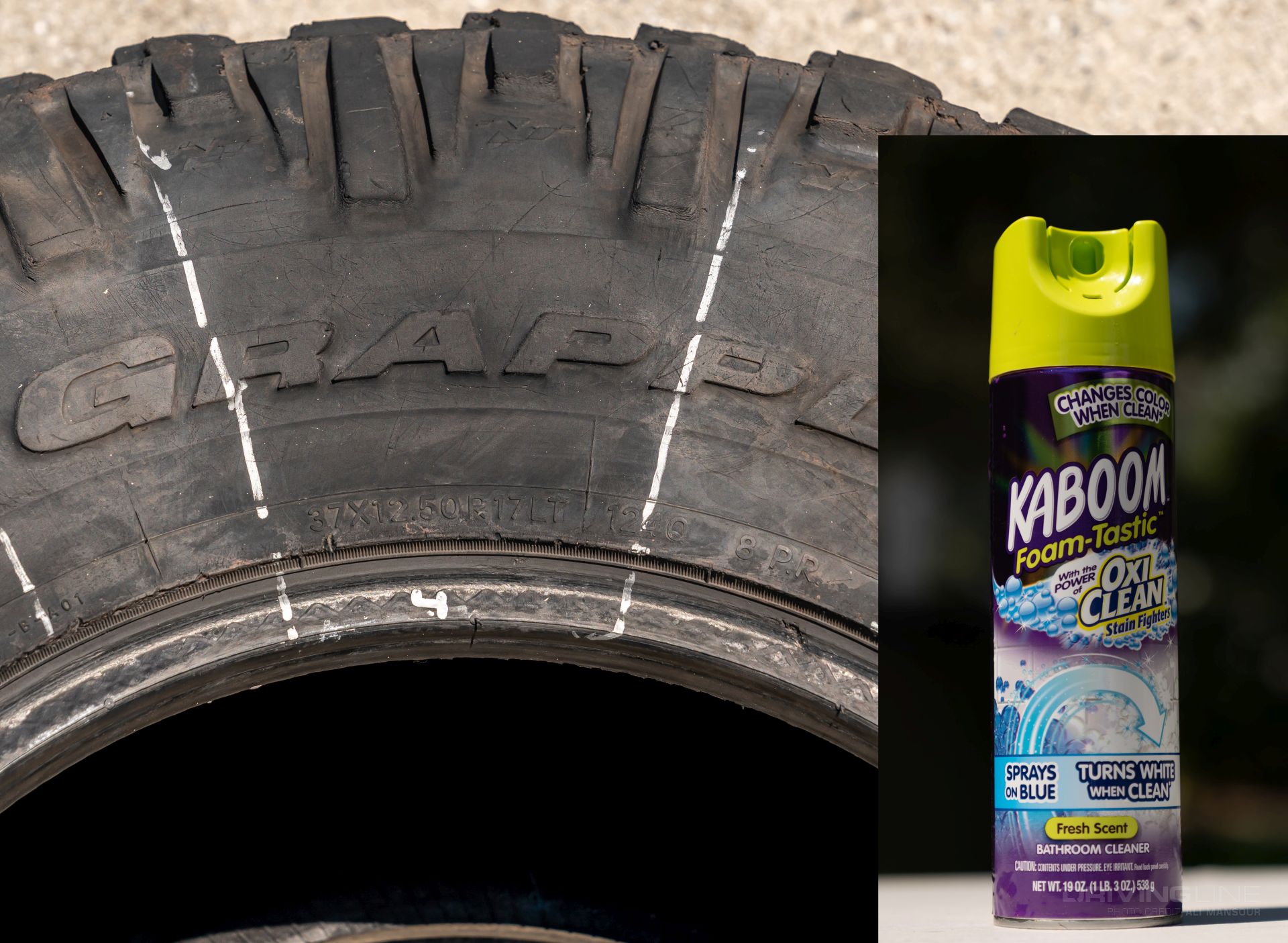
Credit: www.drivingline.com
How Do You Clean Dirty Road Tires?
If your tires are looking a little worse for wear, it’s important to clean them up to maintain both their appearance and performance. Here’s how to clean dirty road tires:1. Start by using a tire brush to remove any large pieces of debris or mud from the treads.
2. Next, use a hose to rinse away any remaining dirt and grime.3. Once the tires are rinsed, mix together a solution of dish soap and warm water in a bucket.4. Use a sponge or rag to scrub the treads with the soapy solution, paying special attention to any areas that seem particularly dirty.
5. Rinse the soap off with the hose once you’re finished scrubbing.6. Finally, use a clean towel to dry off the tires completely before heading out on the road again!
How Do You Get Brown off Tires?
There are a few ways that you can get brown off tires. One way is to use a tire cleaner. This will help to remove any build-up on the tires and make them look new again.
Another way is to use a power washer. This will remove any dirt or grime that may be on the tires. Finally, you can use a garden hose to rinse the tires off.
How Do You Get Stubborn Dirt off Tires?
No one likes to see a dirty car, especially when the tires are caked with grime. Not only is it unsightly, but it can also be dangerous if the dirt gets too thick. Here are some tips on how to get stubborn dirt off tires and keep them looking clean and new.
One of the easiest ways to clean your tires is with a power washer. If you have access to one, simply blast the dirt off with high-pressure water. You may need to go over each tire a few times to get all the grime off.
Just be careful not to hold the nozzle too close to the tire or you could damage it.If you don’t have a power washer, you can still clean your tires with a garden hose. It will take longer than using a power washer, but it will still get the job done.
Start by spraying each tire down with water and then use a brush to scrub away the dirt. A stiff bristled brush works best for this job. Once you’ve removed as much of the dirt as possible, rinse each tire off again with water and dry them with a towel or air compressor.
If your tires are really badly stained, you may need to use some elbow grease and cleaning products designed specifically for tires. There are several different brands available at most auto parts stores or online retailers specializing in car care products . Be sure to read the labels carefully before purchasing anything and always test any cleaner on an inconspicuous area of the tire first before applying it all over .
Once you’ve found something that works , apply it according to directions and then wash it off thoroughly afterwards . You may need repeat this process several times for tough stains .With regular cleaning , your tires should stay looking nice and new for many years .
How Can I Make My Tires Look New Again?
Assuming you would like tips on how to make your tires look new again:There are a few things you can do to clean up your tires and make them look new again. First, use a tire cleaner specifically designed for the job – this will help remove any built-up grime or dirt.
You can also use soap and water, but be sure to rinse the tires well afterwards so they don’t become slippery. Next, use a tire shine or protectant to give the tires a deep shine and help protect them from future wear-and-tear. Finally, if your tires have any cracks or damage, get them repaired or replaced as soon as possible to avoid further issues down the road.
Conclusion
If your off-road tires are caked with mud, here’s how to clean them. First, hose down the tires with water to remove as much of the mud as possible. Then, mix up a solution of dish soap and water in a bucket and scrub the tires with a brush.
Rinse the soap off with more water and then let the tires air dry.
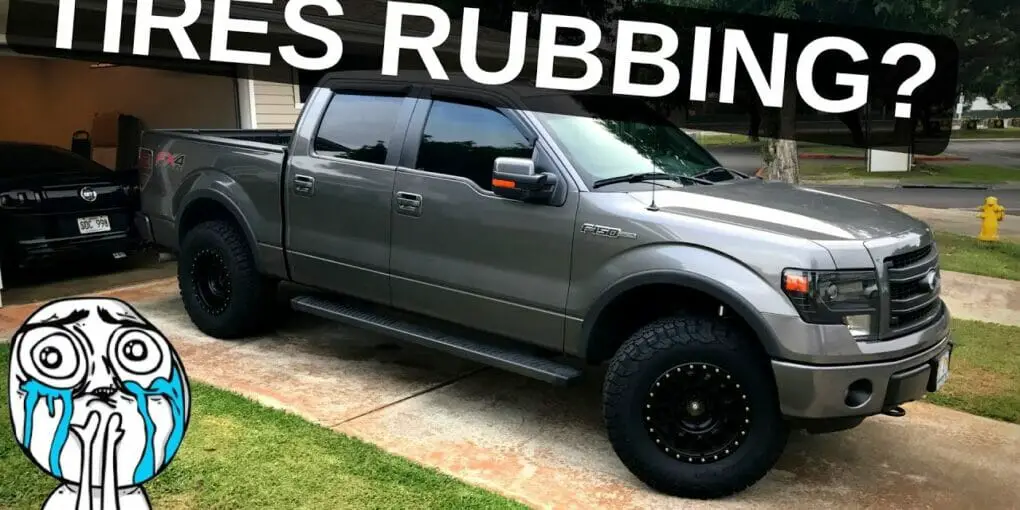
How to Fit 35 Inch Tires on F150
If you are looking to upgrade the tires on your F150, you may be wondering if 35 inch tires will fit. The answer is yes, 35 inch tires can fit on an F150, but there are a few things to keep in mind. First, you will need to have the right suspension lift kit installed.
Without the proper lift kit, your truck will not have enough clearance for the larger tires and they will rub against the fenders. Second, you may need to trim or modify the factory mud flaps in order for them to clear the new tires. Lastly, make sure to check your tire pressure often as overinflated tires can cause issues with handling and traction.
Fitting 35" Radar Tires on a LEVELED Ford F-150 with 22×12's
- Find the right 35 inch tires for your F150
- There are many brands and types of 35 inch tires to choose from, so make sure to do your research before making a purchase
- Once you have found the perfect set of 35 inch tires, it’s time to install them on your F150
- If you’re not comfortable doing this yourself, take your truck to a professional mechanic or tire shop
- To install the tires, first remove the old ones from your truck
- This can be done by loosening the lug nuts with a wrench and then jacking up the truck so that the wheels can be removed
- Next, place the new 35 inch tires on the wheels and tighten the lug nuts back down
- Lower the truck back down to the ground and double check that all of the lug nuts are tight before driving off
Best 35 Inch Tires for F150
There are a lot of factors to consider when choosing the best 35 inch tires for your F150. The size and weight of your truck, the type of terrain you’ll be driving on, and your personal preferences all play a role in choosing the right tires.Here are a few of the best 35 inch tires for F150s:
1. Nitto Trail Grappler M/T: These tires are great for off-roaders who want a good mix of traction and comfort. They’re not too loud on the highway, and they can handle mud, sand, rocks, and everything else you might encounter on an off-road adventure.2. Toyo Open Country M/T: If you’re looking for maximum traction in all conditions, these are the tires for you.
They’re designed for serious off-roaders who need to be able to conquer any terrain. They’re also very durable, so you won’t have to worry about them getting damaged on rough trails.3. Goodyear Wrangler DuraTrac: These are another great choice for those who do a lot of off-roading.
They offer excellent traction and durability, and they’re also quiet on the highway. If you want a tire that can handle just about anything, this is it.

Credit: 4wheeldriveguide.com
How Do You Put 35S on a Ford F-150?
If you’re looking to add some serious attitude and style to your Ford F-150, then a set of 35 inch tires is the way to go. But before you start shopping for tires, there are a few things you need to know.First, 35 inch tires are not a bolt-on upgrade.
You will need to make some modifications to your truck in order to fit them. This includes installing a body lift and/or suspension lift, as well as trimming or cutting away portions of your fender wells. These upgrades are not difficult or expensive to do, but they are necessary nonetheless.
Once you have the necessary mods done, choosing the right 35 inch tire is crucial. There are many different brands and types of tires on the market, so doing your research is important. Consider factors like price, tread life, traction, and noise level when making your decision.
Finally, once you have your new 35 inch tires installed, be sure to take it easy at first while you get used to the increased size and weight of your truck. With proper care and maintenance, your new tires should last for many miles of trouble-free driving!
Can You Put 35-Inch Tires on an F-150?
If you have an F-150 with a suspension lift, you can put 35-inch tires on it. If your truck doesn’t have a suspension lift, you can still put 35-inch tires on it, but you’ll need to do some modifications first. You’ll need to trim the fenders and possibly the bed liner.
You may also need to add a body spacer to give the tires clearance.
Can You Fit 35S on a 2 Inch Leveling Kit?
If you are looking to fit 35 inch tires on your truck, a 2 inch leveling kit is a great option. This will give you the additional clearance you need to run the larger tires, without compromising too much on ride quality or suspension travel. Keep in mind that you may need to trim the front fender flares slightly to avoid rubbing when turning.
Can You Fit 35S on a Leveled 2021 F-150?
If you’re looking to add some serious style and attitude to your 2021 Ford F-150, then fitting it with a set of 35 inch tires is a great way to do it. But before you start shopping for tires, there’s a few things you need to know.First off, you’ll need to have your F-150 professionally leveled in order to fit 35 inch tires.
This is because the factory suspension on the truck is designed for smaller tire sizes. Once your truck has been leveled, then you can start shopping for new 35 inch tires.There are a few things to keep in mind when choosing tires for your F-150.
First, you’ll want to make sure that the tires are load rated for a heavy truck like the F-150. Second, you’ll want to choose an all-terrain or mud-terrain tire if you plan on doing any off-roading with your truck. And finally, you’ll want to make sure that the tires you choose have enough clearance so they don’t rub when turning or going over bumps.
Once you’ve chosen the perfect set of 35 inch tires for your Ford F-150, then it’s time to hit the road and show off your new ride!
Conclusion
If you’re looking to upgrade the tires on your F150, you may be wondering if 35 inch tires will fit. The good news is that they will! However, there are a few things you need to take into account before making the purchase.
First, you’ll need to make sure your truck has enough suspension travel to accommodate the larger tires. If not, you may need to install a lift kit or leveling kit first. Second, you’ll want to make sure the new tires clear any obstacles in your path, such as the fenders and wheel wells.
Finally, keep in mind that larger tires can affect your gas mileage and put additional strain on your drivetrain components.With those things in mind, follow these steps to upgrade to 35 inch tires on your F150: 1) Choose the right tire size and type for your truck and driving needs;
2) Install a lift kit or leveling kit if necessary; 3) Mount the new tires and enjoy the improved look and performance of your truck!
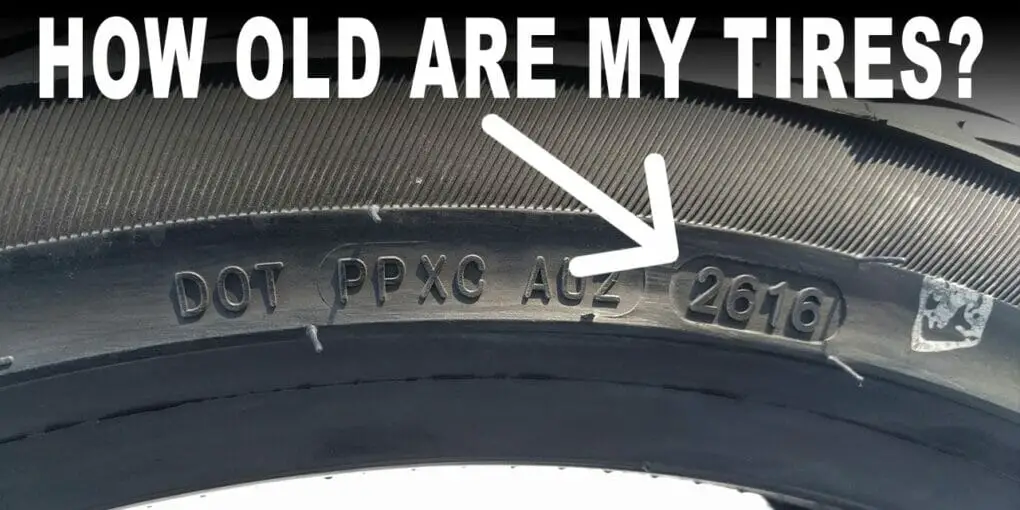
Tires Expiration How to Read It
Tires are one of the most important safety features on your vehicle. They are also one of the most expensive. It is important to know when they need to be replaced.
Most tires have an expiration date. The date is usually located on the sidewall of the tire. It is important to replace your tires before they expire.
expired tires can be dangerous and can cause accidents.
Tires have an expiration date, and just like milk, bread and eggs, it’s important to know how to read it. The expiration date is actually the week and year that the tire was manufactured. The first two digits are the week and the last two digits are the year.
For example, if a tire has a code of 1418, it was made in the 14th week of 2018.It’s important to note that tires don’t actually “expire” in the traditional sense. However, over time they can develop cracks and other signs of wear and tear.
They can also lose their grip and become less effective in wet or icy conditions.For these reasons, it’s generally recommended that you replace your tires every six years or so. Of course, this varies depending on how often you use your car and how well you take care of your tires.
If you regularly rotate them and keep an eye out for any damage, they may last longer than six years.If you’re not sure when your tires were manufactured or if they’ve reached their expiration date, simply take a look at the code on the sidewall of each tire.
How old are my tires? // How to check tire age
How Do You Read a 3 Digit Tire Date Code?
Tire date codes are important for many reasons. They tell you when a tire was manufactured, which is important for both safety and warranty purposes. They also provide valuable information about a tire’s performance and expected lifespan.
To read a 3 digit tire date code, you will need to know the meaning of each digit. The first digit indicates the week of production, with 1 being the first week and 5 being the fifth week. The second and third digits indicate the year of production.
For example, if a tire has a date code of 315, this means it was produced in the 15th week of 2013.If you are unsure about how to interpret a particular date code, it is always best to contact the manufacturer directly. They will be able to give you specific information about that code and what it means for your tires.
What Does the 1St Two Digits on the Expiration Date of the Tire Represents?
The first two digits on the expiration date of a tire represent the week of manufacture. The last two digits represent the year. For example, if a tire has the code “1409,” it was made in the 14th week of 2009.
How Do You Read a Tire Code?
A tire code is a standard system for providing essential information about a tire. The code can be divided into four sections:1. Tire Type Code
The first letter of the tire code indicates the type of the tire. In most cases, this will be “P” for passenger car tires, “T” for temporary spare tires, or “LT” for light truck tires.2. Width Code
The next three digits indicate the width of the tire in millimeters. For example, if the width code is “195”, then the width of the tire is 195mm.3. Aspect Ratio Code
The aspect ratio code is a two-digit number following the width code. This number indicates the height of the sidewall as a percentage of the width of the tire. For example, if an aspect ratio code of “50” is present, then that means that the height of the sidewall is 50% of 195mm (the width from before), or 97.5mm.
This also means that the diameter of the wheel would be 2 x 97.5mm + 2 x 195mm, or 489mm. Therefore, this particular size would be referred to as a 15 inch wheel (15 inches being equivalent to 489mm).4. Construction Code & Wheel Diameter Code
How Many Years the Tire Will Expire?
Most car tires have a lifespan of about six years. However, this can vary depending on the type of tire, driving habits, and other factors. For example, off-road tires typically last shorter than six years due to their increased wear and tear.
Conversely, tires used primarily on highways may last longer than six years. Ultimately, it is important to regularly check your tires for signs of wear and tear and replace them when necessary.

Credit: fijisun.com.fj
Tire Dot Code Lookup
If you’ve ever looked at the sidewall of a tire and noticed a series of numbers and letters, you may have wondered what they mean. Those numbers and letters are called the tire dot code, and they can tell you a lot about a tire. Here’s a quick guide to understanding tire dot codes.
Each tire has two codes: one for the manufacturer and one for the specific Tire Identification Number (TIN). The TIN is made up of DOT followed by 11 or 12 characters. The first two or three characters after DOT represent the plant code where the tire was manufactured.
The next four or five digits are the week and year the tire was produced (the week is represented by a single digit from 1-5 with 1 being January 6-10, 2 being January 11-15, etc.). For example, if your tires say DOT VD0519, that means they were made in France during the 19th week of 2020.After the plant code and production date, there are either three or four additional digits which indicate different things depending on whether there are three or four of them.
If there are three digits after DOT VD0519, it means your tires were manufactured before 2000 according to old standards. If there are four digits after those same Letters/numbers (DOT VD051920), it means your tires were manufactured in 2000 or later according to current standards. These last few digits help identify batch information about your particular tires so manufacturers can keep track of quality control.
Hopefully this article helped decode some mystery surrounding those pesky numbers on your tires!
Conclusion
Your car’s tires have an expiration date. Here’s how to read it.The DOT code on your tire’s sidewall is made up of 11 or 12 characters.
The last four characters are the date code. The first two letters stand for the week of the year (01 to 52). The second two letters stand for the year (17, 18, 19, 20).
So, a tire with a DOT code of “2319” was made in the 23rd week of 2019. A tire with a DOT code of “5018” was made in the 50th week of 2018.Tires expire six years after they’re manufactured, regardless of how much tread life is left on them.
So, if you have a set of tires that are more than six years old, it’s time to replace them – even if they look fine and still have plenty of tread left.
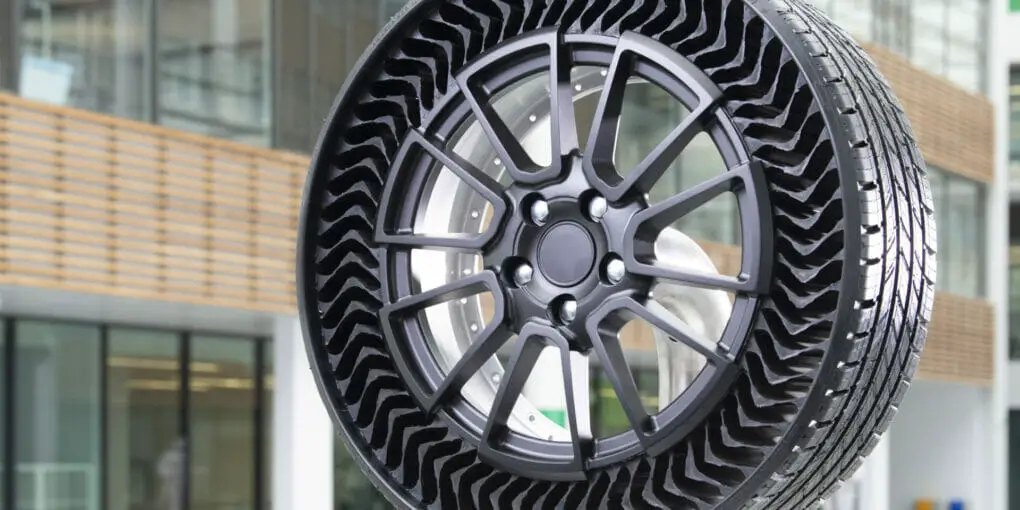
How to Make Tires Puncture Proof
Tires are one of the most important parts of a vehicle, and yet they are also one of the most vulnerable. A punctured tire can not only cause a lot of damage to your car, but it can also be extremely dangerous. There are a few things that you can do to make your tires puncture proof.
How to puncture proof your tyres | Cycling Weekly
- – Research what materials make a tire puncture proof
- Some options include Kevlar, steel belts, and run-flat tires
- – Select the material you want to use to make your tires puncture proof
- – Follow the instructions for whatever material you selected to reinforce your tires
- This may include adding an extra layer of the material to the outside of the tire or replacing the inner tube with one made from the puncture proof material
Puncture-Proof Tires
Puncture-proof tires are a type of tire that is designed to be resistant to punctures. These tires are made with a special type of rubber that is much harder and thicker than the standard rubber used in most tires. This makes it much more difficult for sharp objects to penetrate the tire and cause a flat.
Puncture-proof tires are an excellent choice for those who do a lot of driving on rough roads or in areas where there is a lot of debris on the road. They can also be a good choice for people who simply want peace of mind knowing that their tires are less likely to go flat unexpectedly.The downside of puncture-proof tires is that they can be more expensive than regular tires.
They also tend to be heavier, which can impact fuel economy. And because they are so hard, they may not provide as smooth of a ride as regular tires.If you’re considering puncture-proof tires for your vehicle, be sure to do some research to find the right tire for your needs.
And always consult with a qualified professional to ensure proper installation.

Credit: www.pirelli.com
How Long Do Puncture Proof Tires Last?
When it comes to puncture proof tires, there is no definitive answer as to how long they will last. This is because there are a number of factors that can affect their longevity, such as the type of terrain you ride on and how often you use them. However, with proper care and maintenance, puncture proof tires can last for many years.
Here are a few tips to help you get the most out of your puncture proof tires:-Check your tires regularly for signs of wear and tear. If you notice any cuts or gouges in the tire, it’s time to replace it.
-Avoid riding on rough terrain whenever possible. This can put unnecessary stress on the tire and cause it to break down prematurely.
-Inflate your tires properly before each ride.
Underinflated tires are more susceptible to punctures.
-If you do get a puncture, don’t try to fix it yourself. Take the tire to a professional who can patch it up correctly.
By following these simple tips, you can help extend the life of your puncture proof tires and enjoy many years of worry-free riding!
Can You Get Puncture Proof Tires?
There are a few different ways that you can get puncture proof tires. You can either buy them pre-made, or you can make them yourself. There are a few different types of puncture proof tires, so you will want to make sure that you get the right ones for your needs.
The first type of puncture proof tire is made with Kevlar. This is the same material that is used in bulletproof vests and other types of protective gear. Kevlar is strong and lightweight, making it ideal for use in tires.
The downside to this type of tire is that it can be expensive.Another option for puncture proof tires is to use a liner. A liner is a thin layer of material that goes between the tire and the tube.
Liners are typically made from latex or another similar material. They are less expensive than Kevlar tires, but they also provide less protection.The last option for puncture proof tires is to use a sealant.
Sealants are liquids that harden when they come into contact with air, creating a barrier between the tire and the tube. Sealants are typically cheaper than both Kevlar and liners, but they only provide temporary protection against flats.
How Do You Prevent Tire Punctures?
Most tire punctures are caused by sharp objects like nails, glass, or metal shards. To prevent them, it’s important to regularly check your tires for any signs of damage. If you see any cuts or cracks, make sure to get them repaired as soon as possible.
You can also avoid tire punctures by driving carefully over potholes and other obstacles. If you do hit something, inspect your tires afterwards to make sure they’re still in good condition.If you’re worried about getting a flat tire, you can always invest in a set of quality tires that are less likely to be punctured in the first place.
There are many different brands and types of tires available, so do some research to find the best option for your needs.
What Kind of Material is Used to Puncture Proof Tyres?
Tyres are made of a variety of different materials, but the most common type of material used to puncture proof tyres is rubber. Rubber is a tough and durable material that can resist punctures and other forms of damage. However, it is not indestructible, and it can be damaged by sharp objects or by excessive heat.
If you are worried about puncturing your tyres, you can purchase tyres that are made with special puncture-resistant materials. These tyres are more expensive than regular tyres, but they will provide you with peace of mind on the road.
Conclusion
It is no secret that flat tires are a huge pain. Not only do they ruin your day, but they can also be extremely costly to fix. The good news is that there are a few things you can do to prevent your tires from puncturing in the first place.
Here are four tips on how to make tires puncture proof:1. Check Your Tire Pressure RegularlyOne of the best ways to prevent flats is to ensure that your tire pressure is always at the correct level.
You can check your tire pressure with a simple gauge or have it checked at most gas stations. Keeping your tires properly inflated will help reduce the risk of them being punctured by sharp objects.2. Avoid Driving Over Sharp Objects
This one seems like a no-brainer, but it’s important to avoid driving over sharp objects whenever possible. This includes things like glass, nails, and other debris that could potentially puncture your tires. If you must drive over something sharp, go slowly and carefully to minimize the risk of a flat tire.
3. Use Puncture-Resistant TiresIf you’re really worried about getting a flat tire, you may want to consider using puncture-resistant tires . These special tires are designed with reinforced sidewalls that help resist penetration from sharp objects.
While they’re not completely puncture proof, they can certainly help reduce the risk of getting a flat tire.
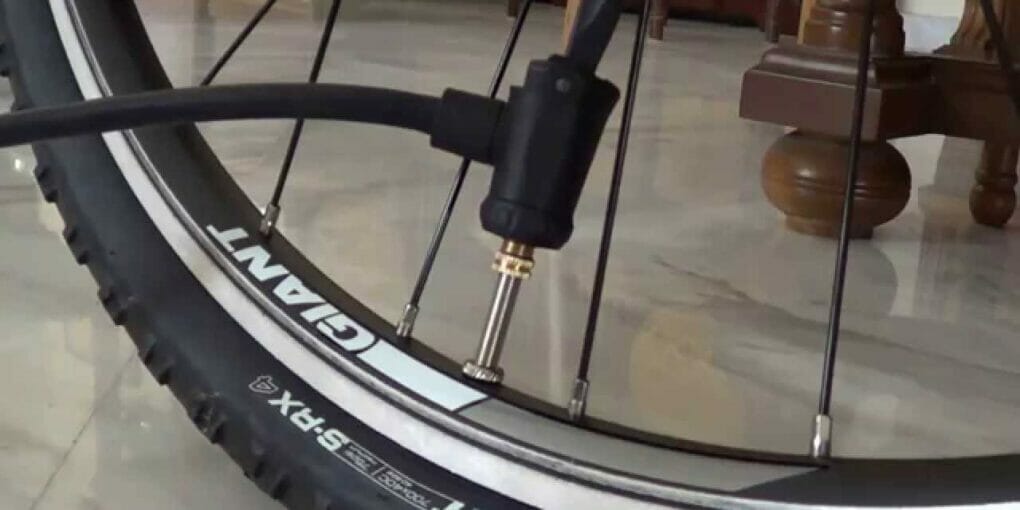
How to Inflate Giant Bike Tires
Bike tires come in all different sizes, and each size has a different recommended inflation. Inflating giant bike tires can be tricky- if you inflate them too much, they could burst. But if you don’t inflate them enough, they’ll be more likely to get a flat.
- Purchase a hand or foot-powered air pump designed for bicycle tires
- These can be found at most bike shops, or online
- Remove the cap from the valve stem on the tire you wish to inflate
- The valve stem is the small metal part sticking out of the side of the tire
- Insert the nozzle of the air pump onto the valve stem and begin pumping air into the tire
- Pump until the tire is firm to the touch and has reached its maximum recommended pressure, as listed on the sidewall of the tire
- Remove the air pump nozzle from the valve stem and replace the cap quickly to prevent any air from escaping
How to Pump a Mountain Bike Bicycle Tire With Presta Valve
How Do You Pump Up a Bike Tire With a Presta Valve?
Assuming you don’t have a flat tire and just need to add air:To start, unscrew the cap at the top of the Presta valve. Next, use your bike pump to attach the nozzle onto the valve.
Once it’s secure, begin pumping until you reach your desired PSI (pounds per square inch). Finally, screw the cap back on tightly to prevent any air from escaping.
How Do You Fill a Tire With a Presta Valve?
Assuming you don’t have an air compressor and are filling your tire with a hand pump, here’s how to do it:1. If your Presta valve has a cap, start by unscrewing it and setting it aside. If there is no cap, move on to step 2.
2. Unscrew the knurled knob at the top of the valve stem clockwise until it’s loose enough to pull up.
3. Put the tip of your pump onto the exposed valve stem and push down firmly to create a seal.
4. Pump air into your tire until it reaches the desired pressure.
You may need to readjust the pump several times during this process to get a good seal.
5) Once you’ve reached the desired pressure, unscrew the knurled knob counterclockwise to release the air from the pump, then remove the pump tip from the valve stem.
6) Screw the cap back onto the valve stem (if applicable) and give it a quick tug to make sure it’s tight.
Can You Inflate a Presta Valve Without an Adapter?
If you’re wondering whether you can inflate a Presta valve without an adapter, the answer is yes! You can use a regular pump to inflate a Presta valve, as long as the pump has a Schrader to Presta adapter. This type of adapter is commonly found on floor pumps.
To use it, simply unscrew the Presta valve cap and screw on the adapter. Then, just pump away!
Credit: www.giant-bicycles.com
Presta Valve Adapter
A Presta valve adapter is a small metal or plastic cap that threads onto the end of a Presta valve, allowing it to be used with an air compressor or pump with a Schrader-type chuck.Presta valves are commonly found on road and racing bicycles. They have a slimmer profile than Schrader valves and require less force to open and close.
This makes them ideal for high-pressure applications like bicycle tires.Presta valve adapters are relatively inexpensive and widely available, making them a handy accessory for anyone who owns both types of bikes or pumps. They can also be useful in emergency situations where you need to inflate a tire with a Presta valve but only have access to a Schrader-type pump.
Conclusion
Tired of pumping up your bike tires only to have them go flat hours later? If you’re looking for a way to keep your tires inflated longer, try inflating them with nitrogen instead of air. Nitrogen is an inert gas that doesn’t interact with the rubber in your tires like oxygen does, which means it won’t cause the tire to degrade as quickly.
It’s also less likely to leak out of the tire over time.If you’re interested in inflating your bike tires with nitrogen, you’ll need to take them to a bike shop or a tire center that offers this service. Once they’re inflated, be sure to check the pressure regularly and top off the nitrogen as needed.