
How to Drive on Low-Profile Tires and Protect Your Wheels
If your vehicle came with low-profile tires, use the vehicle maker’s recommended cold pressure and slow down before rough spots. A low-profile tire…

If your vehicle came with low-profile tires, use the vehicle maker’s recommended cold pressure and slow down before rough spots. A low-profile tire…
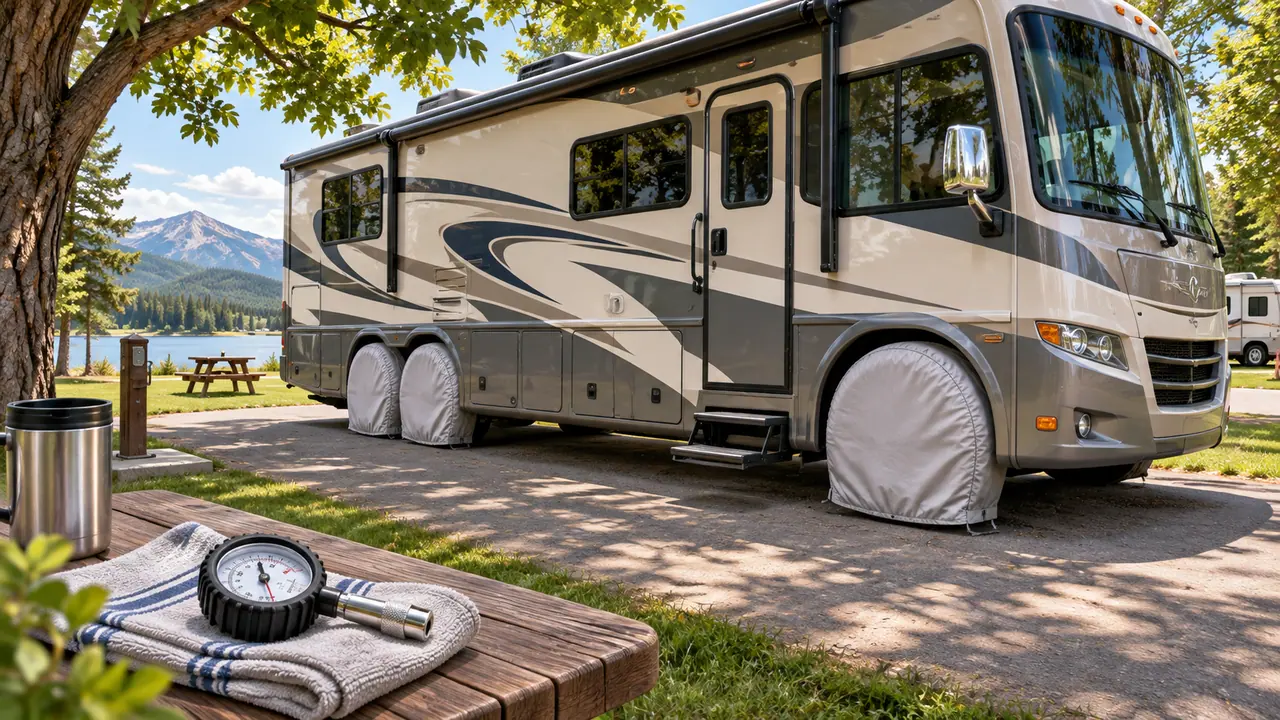
The best way to extend the life of RV and trailer tires is to run them at the specified cold pressure, keep each wheel within its load rating, and…
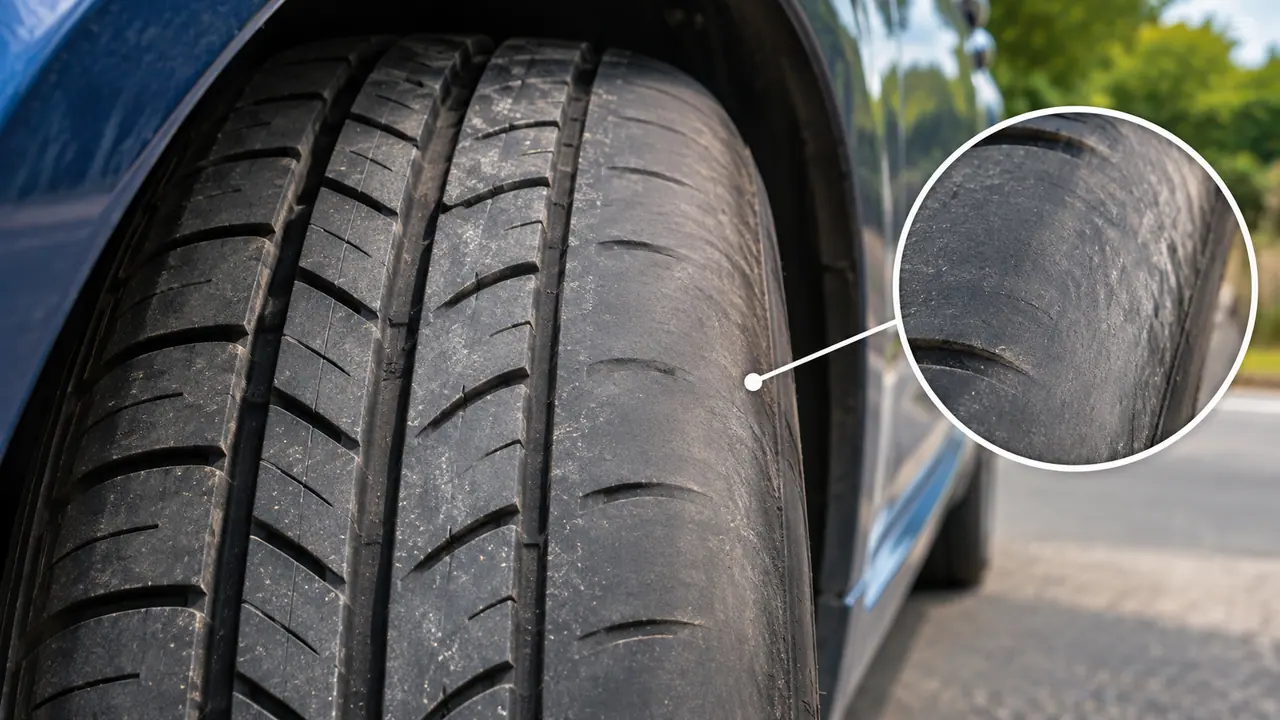
If the outside shoulders of both front tires are wearing faster than the rest of the tread, check the cold pressures and compare the inside shoulders…

At 4/32 inch of tread (1/8 inch, or about 3.2 mm), plan to replace your tires. If you regularly drive in rain or have a wet highway trip coming up,…
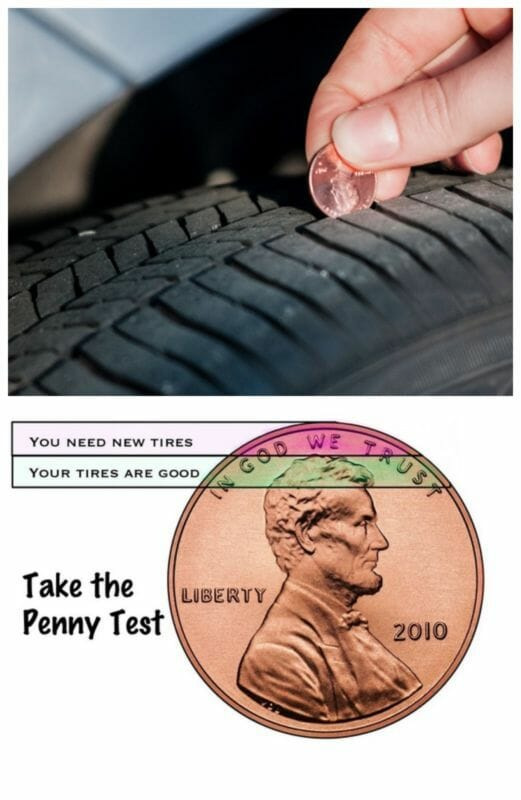
Replace a tire when its tread reaches 2/32 inch or less in a main groove, when it reaches an applicable age limit set by your vehicle or tire maker,…
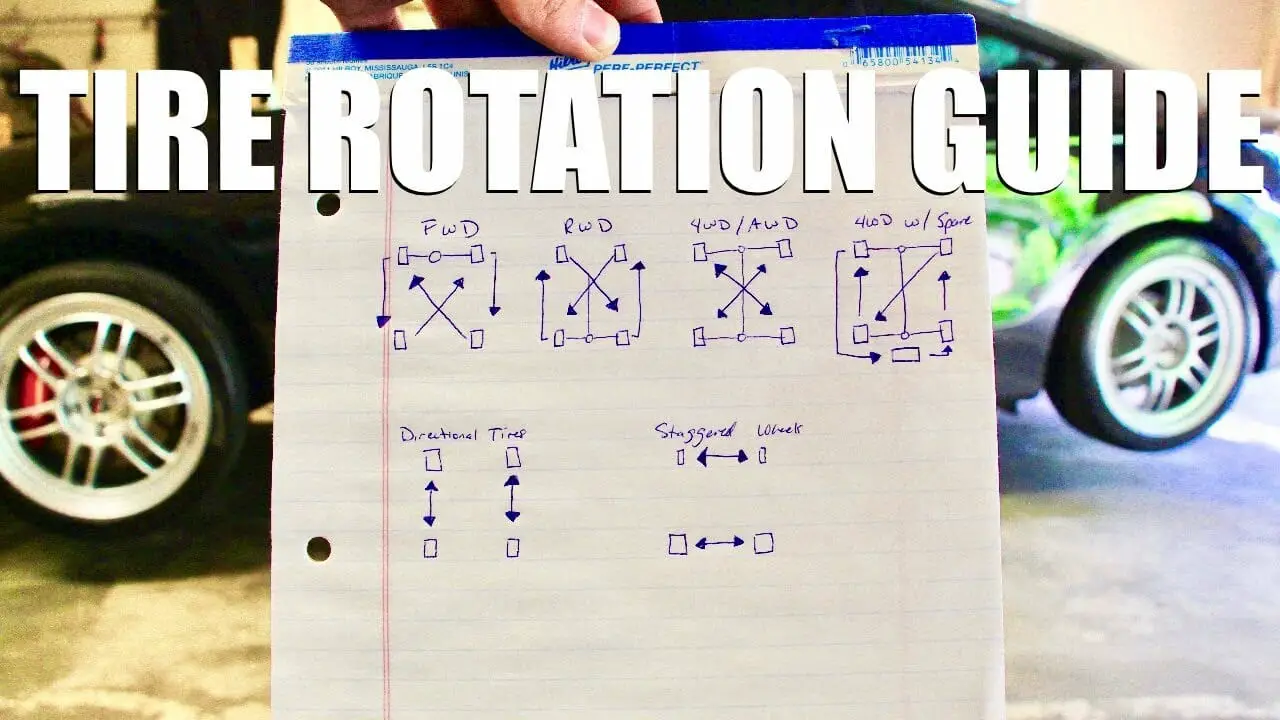
Use the rotation pattern and schedule in your vehicle’s owner’s manual. Before moving a wheel, check that its tire size, wheel fit and sidewall…
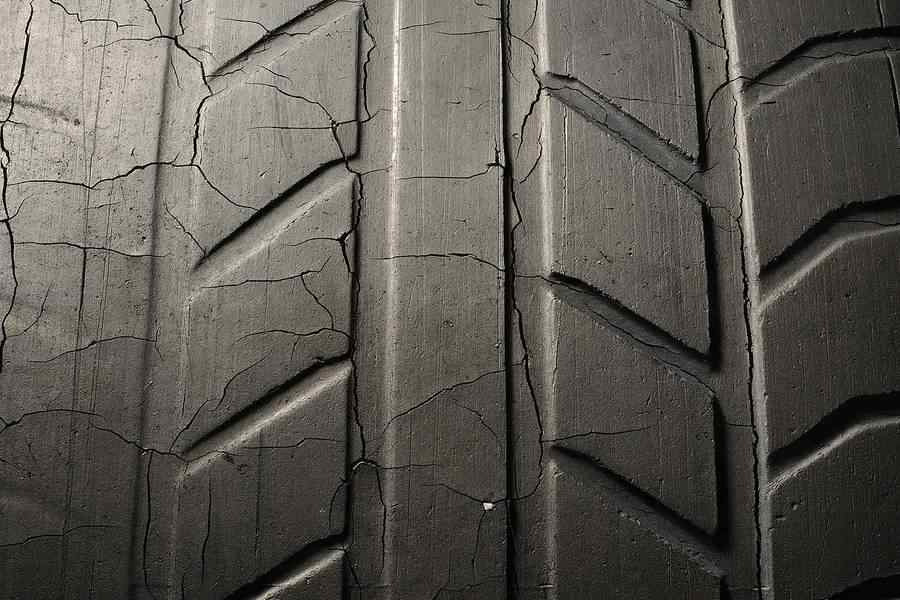
You can slow tire cracking by keeping tires at the recommended cold pressure and limiting their exposure to sunlight, heat, and harsh chemicals. Once…
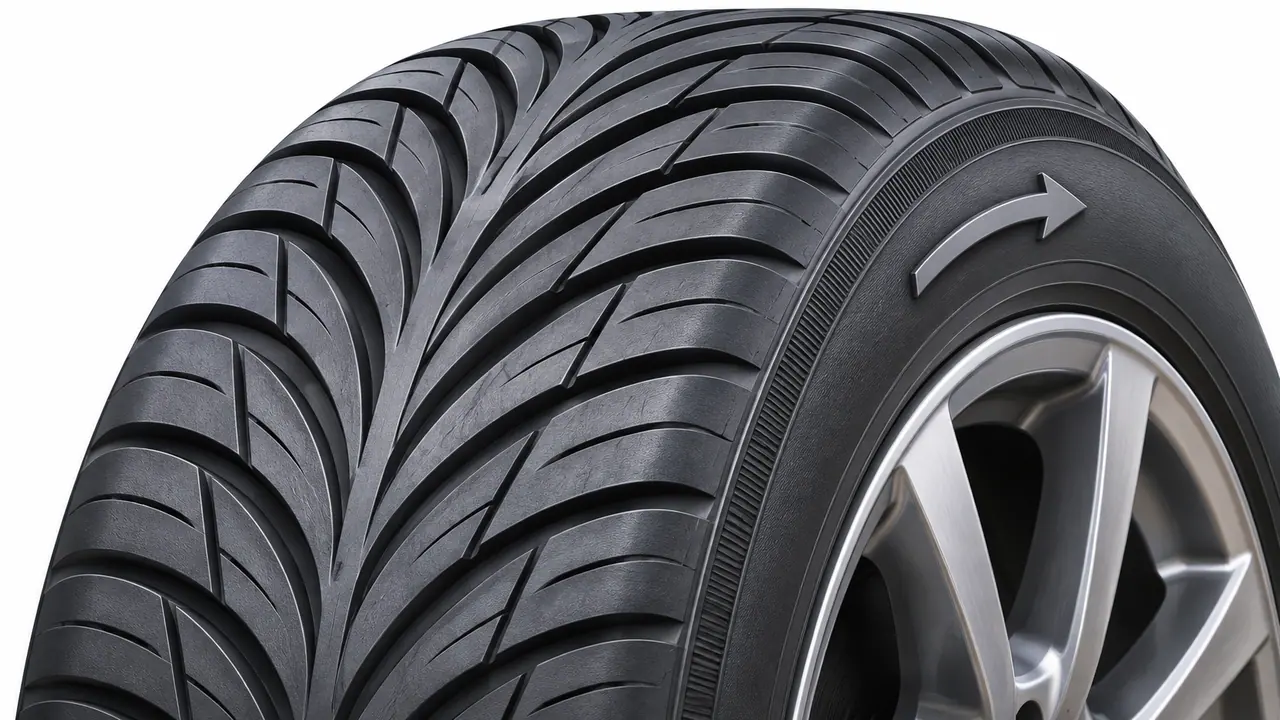
On a parked car, SUV, pickup, or light van, look at the top of each tire. A sidewall arrow marked ROTATION should point toward the front of the…
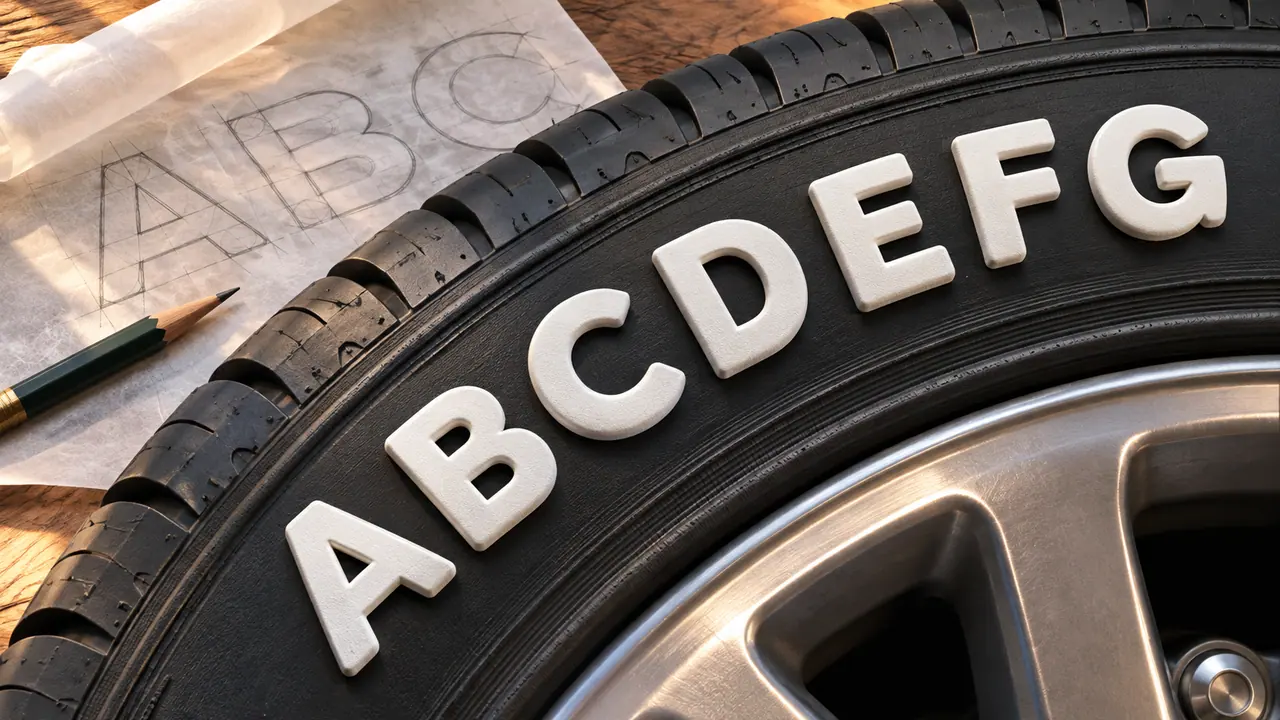
If you want white letters on your tires, look for factory white lettering when you next buy tires. For tires you already own, a sidewall paint pen can…