
- Home
- Archive: July, 2023
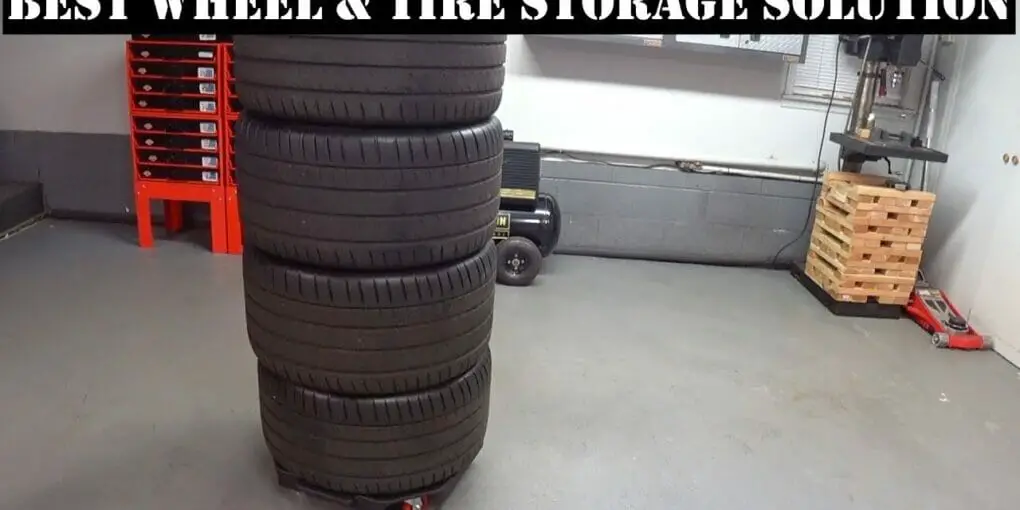
How to Stack Tires for Storage
Stacking tires is an easy way to store them when you don’t have a lot of space. It’s also a great way to keep them organized so you can find the right one when you need it. Here’s how to stack tires for storage:
Start by placing two tires side-by-side on the ground. If they’re different sizes, put the smaller tire on top of the larger one. Then, take another tire and place it on top of the first two, making sure that the treads are facing in opposite directions.
Repeat this process until all of your tires are stacked.If you’re stacking multiple rows of tires, be sure to stagger them so that each row is offset from the one below it. This will help prevent your tires from toppling over if someone bumps into them or if there’s an earthquake.
- Choose a level, dry spot to stack your tires
- If you’re stacking them outdoors, cover the spot with a tarp to protect the tires from the elements
- Place one tire on the ground and top it with another tire, making sure that the treads are facing in opposite directions
- Continue stacking tires in this manner, alternating the direction of the treads with each new tire
- Once you’ve reached your desired height, tie the stack together with rope or bungee cords to keep it stable
Top 10 Tips For Storing Your Tires
Store Tires Vertically Or Horizontally
If you are like most people, you probably store your tires in your garage or shed. But have you ever wondered if there is a better way to store them? Should you store tires vertically or horizontally?
The answer may surprise you. It turns out that the best way to store tires is actually vertically! Here’s why:
When stored horizontally, tires can become misshapen and out of round. This can lead to premature wear and tear on your tires, and can even cause them to fail prematurely.Storing tires vertically helps to prevent this from happening.
By keeping them upright, they retain their shape and stay in better condition for longer. And that means they’ll last longer too!So next time you go to store your tires, remember: vertical is best!

Credit: tier-rack.com
Should Tires Be Stored Vertically Or Horizontally?
There is no definitive answer when it comes to storing tires, as there are pros and cons to both vertical and horizontal storage. Ultimately, the decision comes down to personal preference and what works best for your individual needs.Vertical storage is often touted as the best option because it takes up less space than horizontal storage.
This can be especially beneficial if you have a small garage or limited storage space. Additionally, some people find that it’s easier to access vertically stored tires since they’re not buried under other items.However, there are also several advantages to horizontal tire storage.
One is that it keeps the tires from rolling around and getting damaged. Additionally, many people find that horizontal storage makes it easier to see all of the tires at once, which can be helpful when trying to choose the right one for your car.Ultimately, the decision of whether to store tires vertically or horizontally is up to you.
Consider your own needs and preferences before making a decision.
Can You Stack Tires on Top of Each Other for Storage?
When it comes to storing tires, there are a few different options available. One option is to stack the tires on top of each other. This can be done either with or without a tire rack.
If you choose to stack the tires without a rack, it is important to make sure that the bottom tire is resting on a flat surface so that it does not become damaged over time. Additionally, you will want to place the heaviest tire on the bottom of the stack and work your way up from there.Another option for storing tires is to hang them from a ceiling-mounted storage system.
This can be beneficial because it frees up floor space and keeps the tires out of the way. However, it is important to make sure that the system is properly installed and rated for holding heavy weights like tires. Additionally, you will need to take care when accessing the stored tires so that they do not fall and hit you or cause damage.
Overall, both options for storing tires have their pros and cons. It ultimately comes down to personal preference and what works best for your individual needs and space constraints.
What is the Proper Way to Store Tires?
When it comes to storing tires, there are a few things you need to keep in mind. First, you want to make sure that the tires are not exposed to direct sunlight or extreme heat. This can cause the tires to deteriorate and potentially crack.
Second, you want to avoid storing the tires in an area where they will be subject to moisture or water damage. This can also lead to deterioration and cracking. Finally, it is important to store the tires in a way that they will not be damaged by insects or other pests.
With these things in mind, here are a few tips for proper tire storage:– Store the tires in a cool, dark place out of direct sunlight. An ideal location would be a garage or shed.
– If possible, elevate the tires off of the ground on a platform or shelves. This will help prevent moisture damage.
– Inspect the tires regularly for any signs of damage such as cracks or excessive wear and tear.
How High Should You Stack Tires?
When it comes to stacking tires, there are a few things you need to take into account in order to ensure that your stack is safe and stable. The first thing you need to consider is the height of the tire. The taller the tire, the higher the center of gravity will be, which can make the stack less stable.
In general, it is best to keep the height of your stack under four feet.Another thing to consider when stacking tires is the weight of the tires. Heavier tires will obviously be more difficult to move and can potentially cause injury if they were to fall on someone.
For this reason, it is best to stick with lighter weight tires when stacking them.Finally, you need to make sure that the area where you are stacking the tires is level and firm. This will help prevent any accidents from happening and ensure that your stack stays together while you are working on it.
Conclusion
If you’re planning on storing tires for a long period of time, it’s important to stack them correctly. Incorrectly stored tires can develop flat spots or become misshapen, which can shorten their lifespan.To stack tires correctly, start by selecting a level, stable surface.
If you’re stacking multiple tiers of tires, use wooden pallets or concrete blocks to create a foundation. Once your foundation is in place, arrange the tires in a pyramid shape with the heaviest tires at the bottom and the lightest at the top. For additional stability, you can strap the tiers together using ratchet straps or rope.
With proper care and storage, your tires should last for many years. By following these simple tips, you can ensure that your stored tires are in good condition when you need them again.

Home Front End Alignment Kit
A home front end alignment kit can be a great way to save money on car repairs. By doing the work yourself, you can avoid paying for expensive labor costs at a mechanic. These kits usually come with everything you need to properly align your car’s front end, including instructions.
Although it may take some time to complete the job, it is generally not difficult and can be done in an afternoon.
If you’re looking to get your car’s front end aligned, you don’t have to take it to a professional. You can save money by doing it yourself with a home front end alignment kit.These kits come with everything you need to get the job done, including instructions.
They’re relatively easy to use, and you can usually get the alignment done in an hour or less.There are a few things to keep in mind when using a home front end alignment kit. First, make sure that your car is on level ground.
You don’t want the wheels to be off-kilter when you’re trying to align them.Second, follow the instructions carefully. It’s important to get each step right in order for the alignment to be successful.
And finally, once you’ve finished aligning the front end, check all four tires to make sure they’re inflated properly.If you do it yourself with a home front end alignment kit, you can save yourself time and money. Plus, it’s satisfying knowing that you were able to do it yourself!

Credit: www.motortrend.com
Can I Do a Front End Alignment at Home?
No, you cannot do a front end alignment at home. You will need to take your car to a professional mechanic or technician who has the proper equipment to perform the alignment.
Is It Possible to Do Your Own Alignment?
It is possible to do your own alignment, but it’s not recommended. While it is possible to adjust your car’s alignment at home, it’s best to leave this task to a professional. There are a few reasons for this:
First, aligning your car requires special tools that most people don’t have access to. Even if you could borrow or rent the tools, unless you’re experienced with using them, you likely won’t be able to get an accurate reading. This could lead to further problems down the road.
Second, even if you were able to get an accurate reading, adjusting the alignment yourself is tricky. If you make even a small mistake, it could throw off the entire alignment and cause new problems.Finally, and perhaps most importantly, professional alignments are relatively inexpensive and quick (usually taking less than an hour).
Given the potential risks of doing it yourself, it’s just not worth trying to save a few bucks byaligning your car at home.
How Do You Manually Align a Front End?
Assuming you would like a step-by-step guide on how to manually align a front end:1. Park the vehicle on a level surface and set the emergency brake. Place wheel chocks behind the rear wheels to prevent the car from rolling while you’re working.
2. Loosen the lug nuts on the front wheels using a lug wrench. Do not remove them completely – just loosen them enough so that you can turn them by hand.
3. Jack up the front of the car and support it with jack stands placed under the frame rails.
Be sure to place jack stands at both sides of the vehicle for stability purposes.
4. Remove the front wheels and set them aside.
5. Inspect your work so far to make sure everything looks correct before moving on – all bolts should be properly loosened, etc.
6. To adjust toe, look for an adjustment bolt at either end of each tie rod assembly (the long rods that connect your steering knuckle to your control arms). Adjust these bolts until toe is within specifications – this may require some trial and error, but consult your service manual for guidance if needed. Make small adjustments and re-check often until desired results are achieved.
7 caster is adjusted by changing the height of one or both front strut assemblies (the large spring/shock absorber units mounted vertically in your engine bay). Again, small changes here can have big effects, so take care and check often as you make adjustments..
8 Once caster and toe are satisfactorily adjusted, it’s time to focus on camber settings Camber is changed by adjusting eccentric bolts located at either end of your control arms (short metal rods that connect your wheel hubs/bearing assemblies to your chassis). These can be difficult to reach in some vehicles, so refer to your service manual for specific instructions..
9 That’s it!
How Do You Make a Homemade Alignment Tool?
There are a few different ways that you can make a homemade alignment tool. One way is to use a level and a tape measure. First, you will need to find the center of your wheel.
To do this, you will need to measure from the outside edge of the tire to the inside edge of the tire. Once you have found the center, you will need to place the level on the ground so that it is level with the ground. Next, you will need to measure from the ground up to the center of your wheel.
This measurement will tell you how far out of alignment your wheel is.Another way to make a homemade alignment tool is by using string and chalk. First, you will need to tie one end of the string around one side of your tire.
Make sure that the string is tight against the tire so that it doesn’t move around when you are trying to align it. Next, take the other end of the string and hold it up against the other side of your tire. You want there to be some slack in between both sides so that you can see where your chalk line is going to be placed.
Once you have found where you want your chalk line to be, go ahead and draw it with chalk across both tires. Now all you have left to do is line up your tires with each other following your chalk line!
How To Align Your Car at Home. Portable Alignment System from Eastwood.
Best Home Wheel Alignment Tool
There are a few things to consider when purchasing a wheel alignment tool for your home garage. First, you’ll want to make sure the tool is compatible with the make and model of your vehicle. Second, you’ll want to choose a tool that’s easy to use and understand.
And finally, you’ll want to pick a tool that’s durable and will last for years to come.With those factors in mind, we’ve compiled a list of the best home wheel alignment tools on the market. Topping our list is the EZ-Turner Wheel Alignment Tool from CARTMAN.
This versatile tool can be used on virtually any vehicle, making it perfect for the do-it-yourselfer. It’s also very user-friendly thanks to its clear instructions and easy-to-use design. If you’re looking for a top quality wheel alignment tool that won’t break the bank, this is the one for you!
Another great option is the AccuTurn Elite Wheel Alignment System from John Bean. This system uses laser technology to provide accurate measurements, so you can be sure your wheels are properly aligned. It also comes with an instructional DVD so you can learn how to use it like a pro!
This system is a bit more expensive than some of the others on our list, but it’s definitely worth the investment if you take your car’s alignment seriously.Finally, we have the MaximaWheel Wheel Alignment Machine from Snap-on Tools. This professional grade machine features everything you need to get your wheels perfectly aligned, including four digital cameras that provide detailed images of your tires and wheels during adjustment.
If money isn’t an issue and you want the best possible wheel alignment experience, this is definitely the machine for you!
Portable Wheel Alignment Kit
If you’re a car enthusiast, then you know the importance of keeping your vehicle in top condition. That means regular tune-ups, oil changes and, of course, wheel alignment. Wheel alignment is often something that gets overlooked until there’s a problem.
But it’s actually a really simple process that can be done at home with a portable wheel alignment kit.A wheel alignment kit consists of two sensors that attach to your wheels and a control unit. The sensors measure the position of your wheels and the control unit uses that information to adjust the position of your wheels so they’re perfectly aligned.
It’s a quick and easy process that can save you money in the long run by prolonging the life of your tires and preventing premature wear on suspension components.There are many different brands and models of portable wheel alignment kits available on the market today. Prices start around $100 for a basic model and go up from there depending on features and accuracy.
If you’re serious about keeping your car in tip-top shape, then investing in a good quality wheel alignment kit is definitely worth it.
Front End Alignment Tool Harbor Freight
If you’re looking for an affordable and easy-to-use front end alignment tool, Harbor Freight has a great option for you. This tool is simple to set up and use, and it’s very affordable compared to other options on the market. It’s a great choice for anyone who wants to do their own front end alignment at home.
Diy Wheel Alignment Tool
A wheel alignment is when you adjust the angles of your wheels so that they are pointing in the same direction. This can improve your gas mileage, handling, and tire life. You can do a wheel alignment yourself with a few tools and some patience.
First, park your car on a level surface and put on the parking brake. Then, loosen the lug nuts on your front wheels (but don’t take them off). Next, jack up one front wheel and place a jack stand under it.
Repeat for the other front wheel.Now you can remove the lug nuts and take off the wheels. With the wheels off, look at your suspension components to see if anything looks out of place or damaged.
If everything looks good, it’s time to start adjusting your wheel angles.To adjust camber (the angle of the top of the wheel), you will need to loosen or tighten the bolts that hold your struts in place. For caster (the angle of the steering axis), you will need to adjust either your tie rod ends or control arms (depending on what type of suspension you have).
To adjust toe (how far apart your tires are pointing), you will need to turn either your tie rod ends or control arms clockwise or counterclockwise until they are in the correct position.Once you have made all of your adjustments, put your wheels back on and tighten down the lug nuts. Then lower your car back down to the ground and test drive it to see how it feels – it should be noticeably improved!
Conclusion
If your car’s front end alignment is off, it can cause a number of problems. Your car may pull to one side, the steering wheel may vibrate, and your tires may wear unevenly. A home front end alignment kit can help you fix these problems yourself.
The kit includes everything you need to align your car’s front end, including instructions. It’s a simple process that anyone can do with the right tools.

How to Prevent Dogs from Peeing on Car Tires
Dogs have an instinct to pee on things that smell like other dogs. This can be a problem for dog owners when their dog starts to pee on car tires. There are a few things that you can do to prevent your dog from peeing on car tires.
The first thing is to keep your dog away from other dogs that are known to mark their territory. If you see another dog marking its territory, make sure to keep your dog far away from it. Second, you can train your dog not to pee on car tires by using positive reinforcement.
Whenever your dog goes near a car tire and does not pee on it, give him a treat or praise him for good behavior. Finally, if all else fails, you can try using products that will discourage your dog from urinating in general.
SOLVED! My Dog Kept Peeing On My Car Wheels Until I Did This…
- Start by teaching your dog not to pee on anything in your yard
- This will train them to know that there are certain places where they should not relieve themselves
- If you catch your dog in the act of peeing on a tire, scold them firmly and immediately take them outside to their designated potty spot
- Reward your dog when they go potty in the appropriate spot with praise or treats
- This will reinforce the desired behavior
- If you have an indoor dog, make sure they have regular opportunities to go outside so they don’t hold it in and then relieve themselves on your car tires out of desperation
Dog Repellent for Tires
Looking for a way to keep your dog from chewing on your car tires? Try using a dog repellent! Dog repellents are designed to keep dogs away from areas where they’re not wanted.
There are many different types of dog repellents available, so you can choose the one that best suits your needs. Some dog repellents are made with natural ingredients like citrus or vinegar, while others use synthetic chemicals. You can also find dog repellents in both spray and granular form.
When using a dog repellent, be sure to follow the instructions on the package carefully. Many products require you to reapply them regularly in order to remain effective. You may also need to experiment with different types of repellents before finding one that works well for your situation.
How Do You Stop a Dog from Peeing on Your Tires
If your dog is urinating on your tires, there are a few things you can do to stop this behavior. First, make sure that your tires are clean and free of debris. This will help to discourage your dog from using them as a bathroom.
Second, provide your dog with plenty of opportunities to relieve himself in an appropriate manner. Take him for regular walks and provide him with access to a fenced-in yard where he can do his business without having to worry about urinating on your tires. Finally, if all else fails, you may need to consult with a professional trainer or behaviorist to help you figure out how to stop your dog’s undesirable behavior.
Will Vinegar Stop Dog Peeing in Same Spot
Will Vinegar Stop Dog Peeing in Same SpotIf you have a dog that keeps peeing in the same spot, you may be wondering if there is anything you can do to stop it. One option that you may have heard of is using vinegar.
But does vinegar really work to stop dog peeing?The short answer is that vinegar may help to discourage your dog from urinating in a particular area. The acidic nature of vinegar can make it unpleasant for your dog, so he may be less likely to want to go in that spot again.
Of course, this is not guaranteed to work and it may take some trial and error to find the right method for your dog.If you decide to try using vinegar, be sure to use a diluted solution so that it does not cause any irritation or discomfort for your pet. You can start by mixing 1 part vinegar with 10 parts water and spraying it on the area where your dog has been peeing.
If this does not seem to deter him, you can try increasing the ratio of vinegar to water until you find a mixture that works.As always, if you are unsure about whether or not something is safe for your pet, it is best to consult with a veterinarian before proceeding.
Dog Pee on Tires
If you’re a dog owner, chances are you’ve had to deal with your pup peeing on your tires. While it may seem like a harmless act, it can actually cause some serious damage to your tires. The chemicals in urine can eat away at the rubber and eventually lead to cracks or even punctures.
If you’re lucky, you may just end up with a tire that needs to be replaced sooner than expected. But if you’re not careful, your dog’s pee could end up costing you a lot of money in repairs.So what can you do to prevent your dog from peeing on your tires?
The best solution is to keep them away from the area altogether. If that’s not possible, try spraying the area with a water hose or placing some sort of barrier around the perimeter of your car. You should also make sure to clean any accidents immediately, as the longer the urine sits, the more damage it will do.
With a little bit of effort, you can keep your dog from ruining your tires. Just be sure to take action before it’s too late!
Neighbors Dog Peeing on My Car
If you’ve ever come out to your car to find it covered in urine, you know how frustrating it can be. Not only is it unsightly, but the smell can be overwhelming. And if you happen to have a neighbor with a dog that likes to relieve himself on your car, it can become a real problem.
There are a few things you can do to try and deter your neighbor’s dog from peeing on your car. First, try talking to your neighbor about the issue. They may not even be aware that their dog is doing this and they may be willing to keep him away from your car or clean up any messes he makes.
Another option is to put up some sort of barrier around your car. This could be anything from a fence or gate to just putting some potted plants around it. Anything that will make it more difficult for the dog to access your car should help deter him from urinating on it.
You could also try spraying the area around your car with a pet repellent spray or ultrasonic deterrent device. These products emit sounds or smells that dogs dislike and will hopefully keep them away from your car.If all else fails, you may need to contact animal control or the police if the problem persists despite your best efforts.
But hopefully these tips will help stop your neighbor’s dog from turning your car into his personal bathroom!

Credit: www.autodeal.com.ph
Why Does My Dog Pee on My Tires?
One of the most common questions that animal behaviorists are asked is “Why does my dog pee on my tires?” While there can be several reasons for this behavior, one of the most likely explanations is that your dog is marking his territory.When dogs urinate, they release a small amount of urine that contains chemicals known as pheromones.
These pheromones serve as a way for dogs to communicate with each other and mark their territory. When a dog pees on an object, he is leaving his scent behind and telling other dogs that this area belongs to him.While some people may view tire-marking as a nuisance, it is actually a natural and normal behavior for dogs.
If you do not want your dog to mark your tires, there are some things you can do to discourage this behavior. First, make sure that your dog has plenty of opportunities to relieve himself in an appropriate location such as in his own backyard or on walks. Secondly, if you catch your dog in the act of tire-marking, scold him firmly and redirect him to another activity such as playing fetch.
Finally, consider using products that contain synthetic pheromones which can help reduce your dog’s urge to mark his territory.
Does Dog Pee Damage Tires?
No, dog pee will not damage tires. In fact, dog urine is actually less acidic than human urine and will not cause any harm to tires.
What Scents Will Deter Dogs from Peeing?
There are a few scents that can help to deter dogs from peeing. These include:1. Citrus – Dogs seem to dislike the smell of citrus fruits like lemons and oranges.
You can use the peel of these fruits to create a natural deterrent for your dog.2. Vinegar – Another scent that dogs don’t seem to enjoy is vinegar. You can make a solution of 50/50 water and vinegar and spray it around areas where you don’t want your dog to urinate.
3. Commercial Dog Repellents – There are also commercial dog repellents available which contain scents that dogs find unpleasant. These products can be sprayed around areas where you don’t want your dog to go to deter them from urinating there.
Why Do Dogs Like Peeing in Wheels?
It’s a mystery why dogs like to pee in wheels, but there are some theories. One theory is that it’s a way for dogs to mark their territory. When a dog urinates in a wheel, the scent of their urine is left behind and acts as a marker for other dogs.
This lets other dogs know that this area is claimed by the first dog and helps to avoid territorial disputes.Another theory is that wheels resemble fire hydrants, which are another common target for canine urination. It’s possible that dogs see wheels as an extension of fire hydrants and feel the need to mark them in the same way.
Whatever the reason, it’s clear that many dogs enjoy peeing in wheels! If your dog has this habit, you’ll just need to be vigilant about cleaning up after them so that your yard or home doesn’t start to smell like urine.
Conclusion
No one likes it when their dog pees on the car tires, especially if you’re the one who has to clean it up. But there are some things you can do to prevent your dog from doing this in the first place. The first thing is to make sure that your dog is well trained and knows where he is supposed to go to the bathroom.
If he’s not, then he’s more likely to just go wherever he pleases. Another thing you can do is keep an eye on him when you’re out and about so that you can catch him in the act and scold him accordingly. Finally, if all else fails, there are products available that will deter your dog from peeing on car tires altogether.
How to Paint Motorcycle Wheels With Tires on
One way to paint motorcycle wheels is to remove the tires. This gives you a clean surface to work with and allows you to get into all the nooks and crannies. You’ll need to be extra careful not to get any paint on the tires themselves, as they can be difficult to clean off.
Another option is to mask off the tires before painting. This can be a bit tricky, but it’s doable if you take your time and use painters tape.
How to Paint Motorcycle Wheels. Speed T Project
- If you are painting your motorcycle wheels for the first time, you will need to remove the tires from the wheels
- You can do this by deflating the tires and then removing them from the wheel using a tire iron
- Once the tires are removed, you will need to clean the wheels thoroughly
- Use a mild soap and water solution and a soft cloth to wipe down the surface of the wheel
- Make sure to remove any dirt, grime or grease that may be on the surface
- Next, you will need to sand down the surface of the wheel
- You can use either fine-grit or medium-grit sandpaper for this purpose
- Sanding down the surface will help to create a smooth base for your paint job
- Once you have sanded down the surface of the wheel, you will need to apply a primer coat before painting
- This will help to ensure that your paint job looks its best and lasts for a long time without chipping or peeling off
- Now you are ready to paint! Choose whatever color or design you like and get creative! Be sure to allow plenty of drying time between each coat of paint so that your final product looks great!
How to Spray Paint Motorcycle Wheels
If you’re looking to add a little bit of personality to your motorcycle, one way to do that is by spraying the wheels. This guide will show you how to spray paint motorcycle wheels so that they look great and last long.What You’ll Need:
– Tape
– Sandpaper (600 grit or higher)
– Primer (optional)
– Wheel paint
– Clear coatInstructions:
1. Start by taping off the area around the wheel that you don’t want painted. Be sure to go over any areas where the paint might accidentally get sprayed, such as the brake calipers. It’s better to be safe than sorry!
2. Once the area is taped off, use sandpaper to roughen up the surface of the wheel. This will help the primer and paint adhere better. If you’re not using primer, make sure to sand until all of the shine is gone from the wheel surface.
3. If you’re using primer, apply it now according to manufacturer’s instructions. Allow it to dry completely before moving on to painting. 4. Now it’s time for paint!
Apply several thin coats of wheel paint, allowing each coat to dry completely before adding another. 5. Once you’re happy with how the color looks, finish things off with a clear coat for extra protection against road grime and UV rays from sunlight .Now enjoy your newly painted motorcycle wheels!
How to Prepare Motorcycle Wheels for Paint
If you’re painting your motorcycle wheels, there are a few things you need to do to prepare them first. Here’s how:1. Clean the wheels thoroughly with soap and water, then sand them down with fine-grit sandpaper.
This will create a smooth surface for the paint to adhere to.2. Next, apply a primer specifically designed for metal surfaces. This will help the paint stick better and last longer.
3. Once the primer is dry, it’s time to start painting! Use a brush or roller designed for use with automotive paints. Apply several thin coats, allowing each one to dry completely before adding another.
4. Finally, clearcoat the paint job once it’s complete. This will protect it from UV rays and other elements that could damage or fade the color over time.
How to Paint Motorcycle Spoke Rims
Are you looking to add a personal touch to your motorcycle?One way to do this is by painting the spoke rims on your bike. This can be a simple and easy way to customize your motorcycle and make it truly yours.
Here are some tips on how to paint motorcycle spoke rims:The first step is to remove the wheels from your motorcycle. You will need to do this so that you can properly clean and prep the surface of the rims.
Once the wheels are off, use a degreaser and scrub brush to clean the surface of the rims. This will help ensure that the paint will adhere properly.Next, you will need to sand the surface of the rims.
Use a coarse grit sandpaper to start, then progress to a finer grit until you have achieved a smooth finish. Once you have sanded the surface of the rim, wipe it down with a tack cloth or similar productto remove any dust particles.Now it’s time for painting!
Choose whichever color or colors you would like for your rims – there are no wrong answers here! When painting, be sure to use an automotive paint specifically designed for metal surfaces. Apply several thin coats of paint, allowing each coat plenty of time to dry before applying additional coats.
Once you’re satisfied with the coverage and appearance of your painted rims, allow them plenty of time to fully dry and cure before re-installing them onto your motorcycle. And that’s all there is too it!
Best Spray Paint for Motorcycle Wheels
If you’re looking for the best spray paint for motorcycle wheels, there are a few things to keep in mind. First, you’ll want to choose a paint that’s specifically designed for metal surfaces. This will ensure that the paint adheres well and doesn’t chip or peel off easily.
Second, you’ll want to choose a high-quality paint that won’t fade or discolor over time. And finally, you’ll want to make sure the paint is compatible with your motorcycle’s finish. With these factors in mind, we’ve rounded up the best spray paints for motorcycle wheels below.
Plasti Dip Spoke Motorcycle Wheels
Dipping your motorcycle wheels in Plasti Dip is a great way to give them a unique look and protect them from the elements. Here’s everything you need to know about Plasti Dip spoke motorcycle wheels.Plasti Dip is a flexible, durable coating that can be applied to just about any surface.
It’s perfect for protecting motorcycle wheels from the elements and giving them a unique look.Applying Plasti Dip to your motorcycle wheels is easy and only takes a few minutes. You’ll need some basic supplies like painter’s tape, newspaper, and gloves.
Be sure to follow the instructions on the Plasti Dip can for best results.Once you’ve applied Plasti Dip to your motorcycle wheels, you’ll need to let it cure for 24 hours before riding on them. This will ensure that the coating is properly bonded to the wheel surface.
Plasti Dip spoke motorcycle wheels are a great way to add style and protection to your bike. With just a few minutes of work, you can have uniquely-coated wheels that will turn heads and keep your bike looking good for years to come!

Credit: www.youtube.com
Can You Paint Wheels With Tires On?
You can paint wheels with tires on, but it’s not the easiest or most effective way to do it. It’s better to remove the tires and paint the wheels separately. That way you can get a more even coat and avoid getting paint on your tires.
How Do You Plasti Dip Motorcycle Wheels Without Taking Them Off?
Assuming you would like tips on how to Plasti Dip motorcycle wheels without taking them off:1. It is possible to Plasti Dip motorcycle wheels without taking them off, but it is not recommended. If you do choose to go this route, be very careful and take your time.
It is best to work in a well-ventilated area.2. Before starting, clean the wheels thoroughly with soap and water. Then, use a degreaser to remove any grease or oil.
Once the wheels are clean and dry, sand them lightly with fine-grit sandpaper. This will help the Plasti Dip adhere better.3. Now you’re ready to start applying the Plasti Dip.
Use long, even strokes and make sure to cover all of the surface area evenly. You may need several coats for full coverage; just wait until each coat is completely dry before applying the next one.4. Once you’re satisfied with the coverage, allow the final coat of Plasti Dip to dry for at least 24 hours before using your motorcycle again.
How Do You Prepare Motorcycle Wheels for Painting?
When it comes to painting motorcycle wheels, there are a few things that you need to do in order to prepare them. First, you will need to remove the tires from the wheels. Next, you will need to sand down the surface of the wheels in order to create a smooth surface for the paint to adhere to.
Once you have sanded down the surface of the wheels, you will then need to apply a primer before painting them. After the primer has dried, you can then begin painting your motorcycle wheels with your desired color.
Should I Paint Wheels before Or After Tires?
It’s generally best to paint your wheels before you mount your tires. This way, you can avoid getting paint on the tire treads and making a mess. Plus, it’s easier to mask off the area around the wheel rim when the tires aren’t mounted.
If you do decide to paint your wheels after mounting the tires, be very careful not to get any paint on the tire treads.
Conclusion
If you’re looking to add a little bit of personality to your motorcycle, painting the wheels is a great way to do it. But if you’ve never done it before, the thought of painting motorcycle wheels with tires on can be daunting. Here’s a step-by-step guide to help you get the job done.
First, remove the wheel from the motorcycle and place it on a work surface. If you’re working with an aluminum wheel, sand down any rough spots and apply a primer designed for use with aluminum. For steel wheels, sanding and priming is not necessary.
Next, choose your paint color and apply it to the wheel using either a brush or roller. If you’re using multiple colors, be sure to allow each coat of paint to dry completely before moving on to the next color. Once all coats of paint are applied, allow the wheel to dry overnight.
Finally, reattach the wheel to the motorcycle and enjoy your new look!

How Much Does Big O Charge to Install Tires
If you’re looking to get new tires installed, you may be wondering how much it will cost. Big O Tires typically charges around $60 per tire installation. However, the price can vary depending on the type of tire, the size of the tire, and whether or not you need any other services (such as a tire rotation).
Stop Going to This Tire Shop Right Now
Tire installation can be a daunting and expensive task, but Big O makes it easy and affordable. For just $19.99 per tire, we’ll come to your home or office and install your new tires. Plus, we’ll dispose of your old ones for you!
Tire Installation Cost
If you’re looking to get new tires for your car, you may be wondering about the cost of tire installation. The good news is that the cost of tire installation is relatively affordable. Here’s a look at what you can expect to pay for this service.
The average cost of tire installation is $30-$50 per tire. However, there are a few factors that can affect the price, such as the type of vehicle you have and the location of the shop. For example, if you have a luxury car or SUV, the cost may be on the higher end.
And if you live in a rural area, it may be difficult to find a shop that offers this service, which could drive up the price.Overall, though, the cost of tire installation is fairly reasonable. So if you’re in need of new tires, don’t let the price deter you from getting this important service done!
Does Big O Tires Fill Tires for Free
Most people are unaware that Big O Tires offers a free tire filling service. This service is available at all of their locations, and it only takes a few minutes to have your tires filled. All you need to do is bring in your car and they will take care of the rest.
This is a great way to save money on your next oil change or tune-up.
Does Big O Tires Take Walk Ins
Whether you have a flat tire, a slow leak, or need a tire rotation, Big O Tires likely has the services you need. And, in most cases, they can accommodate walk-ins.That said, it’s always best to call ahead to see if the location you plan to visit can take care of your needs without an appointment.
This is especially true if you need more than one service performed or if you have specific timing requirements.Big O Tires offers a wide range of automotive services beyond just tires. This includes oil changes, brake repairs, and alignment work.
So even if your nearest location can’t help with your tire issue, they may be able to assist with another vehicle problem.
Big O Tires Prices
If you’re looking for new tires, you may be wondering about Big O Tires prices. Here’s a breakdown of what you can expect to pay for different types of tires at Big O Tires.Tire Type Price Range Passenger Car Tires $60 – $200 SUV/Light Truck Tires $100 – $400 Commercial Truck Tires $300 – $1,000+
As you can see, there is a wide range in prices depending on the type of tire you need. Passenger car tires tend to be the most affordable, while commercial truck tires can be quite expensive.Of course, price isn’t everything.
You’ll also want to consider factors like tire quality and durability when making your decision. But if price is your main concern, Big O Tires should have something that fits your budget.
Big O Tires near Me
If you’re looking for Big O Tires near you, then you’ve come to the right place. Here at Big O Tires, we have a wide selection of tires to choose from, so finding the perfect one for your vehicle is easy. Plus, our knowledgeable staff is always happy to help you find the right tire for your needs.
And if you need any other automotive services, we can help with that too. So come on down to Big O Tires and let us help you get back on the road!

Credit: firstquarterfinance.com
How Much Should Tire Install Cost?
If you’re looking to get new tires installed, you may be wondering how much it will cost. The answer isn’t as simple as a straight-forward price, as there are a few factors that can affect the final cost.Some of the things that can influence tire installation costs include the type of vehicle you have, the size of the tires, and whether or not you need any other services like a tire rotation or balance.
In general, though, you can expect to pay anywhere from $40 to $100 per tire for installation.Of course, the best way to get an accurate estimate for your specific situation is to consult with a qualified mechanic or tire professional. They’ll be able to take all of the necessary factors into account and give you a more precise price quote.
How Much Does It Cost to Have 4 Tires Installed?
The cost of having 4 tires installed will vary depending on the type of tires you choose and where you have them installed. Expect to pay anywhere from $200 to $600 for the entire job.If you’re looking for a more budget-friendly option, you can always install the tires yourself.
This is a relatively easy process that anyone can do with just a few tools. However, keep in mind that it’s always best to consult with a professional before attempting any car maintenance yourself.
Will Discount Tire Install Tires Purchased Elsewhere?
Discount Tire will not install tires purchased elsewhere. The company offers a wide variety of tire brands and sizes to choose from, and they want customers to buy tires from them so that they can ensure the quality and safety of the products being used. Discount Tire also offers tire installation services, which include mounting, balancing, and disposal of old tires.
Does Walmart Charge Extra for Tire Installation?
If you need a new set of tires, Walmart is a great place to buy them. But what about tire installation? Does Walmart charge extra for this service?
The answer is yes, Walmart does charge extra for tire installation. The cost varies depending on the type of tire you purchase, but it typically ranges from $12 to $25 per tire. This fee covers the cost of labor and includes mounting and balancing the tires.
It also includes a free safety check of your vehicle’s brakes, suspension and alignment.So if you’re looking for a great deal on new tires, be sure to factor in the cost of installation when considering Walmart as your supplier.
Conclusion
If you’re looking to get new tires installed, you may be wondering how much Big O charges. The answer depends on a few factors, including the type of tire and the size of your vehicle. Generally speaking, Big O charges between $60 and $120 per tire installation.
However, if you have a larger vehicle or need special tires, the price may be higher.
How Bad is It to Use Winter Tires in Summer
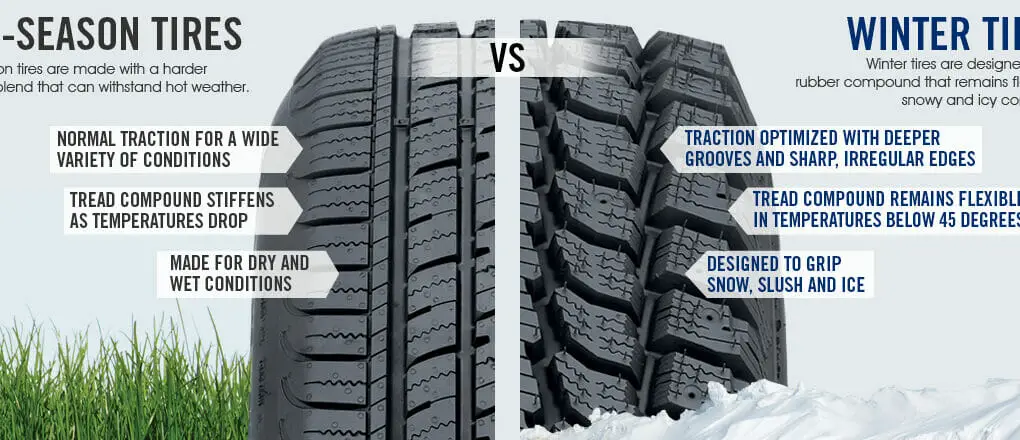
Winter tires are designed to provide better traction and handling in cold weather conditions. However, using winter tires in summer can have some drawbacks. The rubber compound used in winter tires is softer than that used in summer tires, which can cause them to wear out more quickly.
Additionally, the tread patterns on winter tires are not optimized for use on dry roads, which can lead to reduced grip and increased braking distances. Ultimately, while using winter tires in summer may not be ideal, it is not likely to cause significant problems as long as the driver takes care to avoid excessively hot temperatures and prolonged periods of dry road driving.
Why avoid driving on winter tires in summer?
It’s not ideal to use winter tires in summer, but it’s not the end of the world if you have to. Winter tires are designed for cold weather and don’t perform as well in warm weather. They’ll wear out faster and won’t grip the road as well.
If you can, switch to all-season or summer tires when the temperatures start to rise.
How Long Can You Drive on Winter Tires in the Summer
If you live in an area with harsh winters, you know that winter tires are a must. But what about when the weather starts to warm up? How long can you drive on winter tires in the summer?
The answer may surprise you – you can actually use winter tires year-round! That’s right, winter tires are designed to perform well in both cold and hot weather. So, if you live in an area with unpredictable weather, keeping your winter tires on all year long is a smart choice.
Of course, there are a few things to keep in mind if you decide to use winter tires year-round. First, be sure to check your tire pressure regularly. As the temperature changes, so does tire pressure, so it’s important to stay on top of this.
Second, don’t forget to rotate your tires regularly. This will help them wear evenly and last longer.Overall, using winter tires in the summer is perfectly fine – just be sure to take care of them!
Can I Leave My Winter Tires on All Year
If you live in an area with severe winter weather, it’s important to have a good set of winter tires. But what about the rest of the year? Can you leave your winter tires on all year round?
The answer is yes… and no. It depends on a few factors.If you live in an area with mild winters, you can probably get away with leaving your winter tires on all year.
The extra grip and traction they provide will be helpful when driving in wet or icy conditions.However, if you live in an area with hot summers, it’s not a good idea to leave your winter tires on all year. The rubber compound in winter tires is designed to remain soft and pliable in cold temperatures.
This helps them grip the road better in icy or snowy conditions. However, this also means that they wear out more quickly in warm weather. So if you leave your winter tires on all year round, they’ll likely need to be replaced sooner than if you just used them seasonally.
Another factor to consider is how often you drive on roads that are cleared of snow and ice. If you frequently drive on dry pavement, the softer rubber compound of winter tires can cause them to wear down more quickly. So even if you live in an area with mild winters, it may still be beneficial to switch back to regular tires for part of the year (usually April through November).
This will help extend the life of your winter tires so that they’re ready when Old Man Winter comes calling again.
Driving on Winter Tires in Summer Reddit
When it comes to driving in winter weather, one of the most important things you can do is make sure your tires are up to the task. That means outfitting your car with a set of winter tires, which are specifically designed to provide better traction and stability in cold temperatures and on snowy or icy roads.But what about summer?
Is it really necessary to swap out your winter tires for a new set come warmer weather?Here’s what you need to know about driving on winter tires in summer.Winter tires are made from a different type of rubber compound than regular all-season or summer tires.
This rubber is designed to remain soft and pliable in colder temperatures, which helps it grip the road surface better. However, this same quality can also cause the tire to wear down more quickly when used in warm weather.The tread patterns on winter tires are also different from other types of tires.
They typically feature deeper grooves and more prominent siping (tiny slits in the tread), both of which help improve traction on snow and ice. However, these features can also make the tire less effective in warm weather conditions like rain or wet pavement.So while you technically can drive on winter tires during summer months, it’s not recommended as you may experience reduced performance and accelerated wear.
If you live in an area that sees regular snowfall during winter, it’s best to invest in a second set of wheels (and tires) that you can use exclusively for those months. That way, you’ll always have a set of wheels that’s optimized for the season and driving conditions at hand.
All-Season Tires Vs Winter Tires
If you live in an area with snowy or icy winters, then you know how important it is to have good tires on your car. But what kind of tires should you get? Should you get all-season tires or winter tires?
All-season tires are a good choice if you don’t want to have to deal with changing your tires every season. They can handle both winter and summer conditions, although they may not perform as well in extreme weather conditions. Winter tires, on the other hand, are designed specifically for use in winter weather.
They have a special tread pattern that helps them grip the road better in snow and ice. They also tend to be made from softer rubber compounds that stay flexible in cold weather, which helps them grip the road better as well.So, which kind of tire is right for you?
If you live in an area with mild winters, then all-season tires might be a good option for you. But if you live in an area with more extreme winter weather, then winter tires are probably a better choice.
What Temperature is Too Hot for Winter Tires
When the temperatures start to dip below freezing, it’s time to start thinking about winter tires. But what temperature is too hot for winter tires?The answer is simple: above 7°C, you don’t need winter tires.
In fact, once the mercury hits 7°C, your winter tires start to lose their grip and become less effective. So if you’re driving in warm weather conditions, it’s best to switch back to your regular all-season or summer tires.But what if you’re caught in a sudden cold snap and the temperature dips below 7°C?
Well, you can still use your winter tires for a brief period of time. Just be aware that they won’t perform as well as they would in ideal conditions.So there you have it!
Above 7°C, ditch the winter tires and go back to your all-season or summer rubber. And if you find yourself caught in a cold snap, don’t worry – your winter tires will still work (just not as well).

Credit: openroadautogroup.com
Is It Bad to Use Winter Tires in the Summer
If you’re wondering whether it’s bad to use winter tires in the summer, the answer is yes. Winter tires are designed for cold weather and don’t perform as well in warm weather. They can overheat and wear down more quickly, which can lead to a loss of traction.
So if you live in an area with hot summers, it’s best to switch to all-season or summer tires when the weather warms up.
Why is It Not Recommended to Use Winter Tires in the Summer
While winter tires are designed to provide optimal traction in cold weather and on snow-covered roads, they are not ideal for use in warm weather. The rubber compound used in winter tires is softer than that of summer or all-season tires, which means it wears down more quickly when exposed to high temperatures. Additionally, the tread pattern of winter tires is not well-suited for grip on dry pavement, so you may experience reduced handling and braking performance if you use them during the summer months.
What are the Consequences of Using Winter Tires in the Summer
As the name suggests, winter tires are designed for cold weather and icy conditions. They’re made with a softer rubber compound that helps improve traction on snow and ice. However, this same softness also causes increased wear in warm weather.
Additionally, the tread pattern on winter tires is different from summer tires – it’s more shallow and has wider grooves to help with traction on slippery surfaces. This design isn’t as effective on dry pavement, which can lead to reduced handling and braking performance.So while there are no major safety concerns with using winter tires in the summer, it’s not recommended due to the decreased performance and increased wear.
If you live in an area with year-round inclement weather, it might make sense to invest in a set of all-season tires that you can use year-round. That way you don’t have to worry about changing your tires out every few months.
How Long Can I Use My Winter Tires before I Need to Replace Them
Wearing winter tires is important to stay safe on the roads during snowy and icy conditions. But how long can you use your winter tires before they need to be replaced?Most manufacturers recommend replacing winter tires every three to five years, regardless of how much they’ve been used.
However, if you live in an area with harsh winters, it’s a good idea to inspect your tires more often and replace them sooner if necessary. Here are some signs that it’s time for new winter tires:The tread is worn down: Winter tires need to have deep tread in order to grip the road and provide traction.
If the tread is shallow or worn down, it’s time for new tires. You can check the depth of the tread with a tire gauge or by doing the “penny test”: insert a penny headfirst into the tread; if you can see all of Lincoln’s head, the tread is less than 2/32″ deep and it’s time for new tires.The rubber is cracked or brittle: Over time, exposure to sunlight and extreme temperatures can cause the rubber on your tires to crack and become brittle.
This makes them more likely to fail suddenly, so if you notice any cracks in your tire sidewalls, it’s best to replace them right away.They’re more than 5 years old: Even if your winter tires don’t show any obvious signs of wear, age can still affect their performance. After 5 years, the rubber starts breaking down and losing its flexibility, which reduces traction and increases the risk of a blowout.
If your winter tires are getting up there in age, it’s best to play it safe and get new ones.
Should I Store My Winter Tires During the Summer
Most people would say that it is not necessary to store your winter tires during the summer. However, if you live in an area where it snows often, then it might be a good idea to keep them stored away. This way, you will not have to go through the hassle of changing your tires every time it snows.
Conclusion
It’s not ideal to use winter tires in summer, but it’s not the end of the world if you have to. Winter tires are made of softer rubber compound that is designed to grip in cold weather conditions. This same compound will wear down quicker in warmer temperatures.
Additionally, the tread pattern on winter tires is designed to channel away snow and slush. In dry conditions, this can lead to increased noise levels and decreased handling. If you absolutely must use your winter tires in summer, make sure to check the tread depth regularly and replace them as needed.
How Much Does Mavis Charge to Put on Tires
Mavis Discount Tire is one of the largest tire retailers in the United States. They offer a wide variety of services including tire installation, alignment, and rotation. Mavis also offers a variety of discounts and coupons to help save their customers money.
One question that many people have is how much does Mavis charge to put on tires? The answer may surprise you.
Never Going To Mavis Discount Tire For…
Mavis Discount Tire is one of the largest tire retailers in the United States. They offer a wide variety of services, including tire installation. So, how much does Mavis charge to put on tires?
The answer depends on the type of tire you need and the size of your vehicle. For example, a passenger car tire will cost $20 per tire to install, while an SUV or truck tire will cost $25 per tire. The price also varies depending on whether you need new or used tires.
If you’re looking for a great deal on tire installation, Mavis is definitely worth considering. Their prices are very competitive, and they have a wide range of services to choose from.
Mavis Tire
Mavis Tire is a leading tire retailer that provides a wide range of tires and tire services. With over 1,200 locations across the United States, Mavis Tire is dedicated to providing quality products and services at competitive prices.Mavis Tire offers a variety of tire brands to choose from, including Michelin®, BFGoodrich®, and Uniroyal®.
In addition to new tires, Mavis Tire also offers used tires, which can be a great option for budget-conscious shoppers.When it comes to tire services, Mavis Tire offers everything from basic tire repair to more complex services like wheel alignment and balance. Mavis Tire also offers Roadside Assistance programs to help keep you safe on the road.
Whether you need new tires or just some routine maintenance, Mavis Tire is here to help. Be sure to check out their website or stop by your local store today!
Mavis Tire Lawsuit
Mavis Tire is being sued for $5 million by a customer who alleges that the company failed to properly fix his car’s alignment, resulting in a serious accident. The plaintiff, John Doe, claims that he brought his car to Mavis for an alignment in May of 2016. After the work was completed, he noticed that his car was pulling to the left.
He took the car back to Mavis and was told that the problem had been fixed. However, over the next few months, he continued to experience problems with his car’s alignment. In August of 2016, he was involved in a serious accident when his car swerved into oncoming traffic.
He sustained serious injuries as a result of the accident and is now suing Mavis Tire for negligence.This is not the first time that Mavis Tire has been sued over alleged faulty repairs. In 2015, the company settled a lawsuit for $3 million after a customer claimed that his car’s brakes failed after they were serviced at a Mavis location.
It is currently unknown how this latest lawsuit will play out, but it highlights the importance of choosing a reputable and reliable automotive service provider.
Mavis Wheel Alignment Reviews
Mavis Discount Tire is a leading tire retailer with over 1,000 locations across the United States. They offer a wide range of services, including wheel alignment.Wheel alignment is an important service that helps to keep your vehicle running smoothly and safely.
Mavis offers a variety of alignment services to meet your needs. Their trained technicians will inspect your vehicle and recommend the best course of action to get your vehicle back into proper alignment.Mavis also offers a variety of other services, such as oil changes, brake service, and more.
Be sure to check out their website for all the latest coupons and deals!
Mavis Tire Reddit
Mavis Tire Reddit is a great place to find detailed information about tires. You can find out what type of tire is best for your car, and how to get the most out of your tires. You can also learn about different brands and models of tires, and how they perform in different conditions.
How Much Does Wheel Alignment Cost
If your car is pulling to one side or the other, or if your steering wheel is off center when you’re driving straight, it’s likely that your wheels are out of alignment. Wheel alignment is a service that helps ensure that your vehicle’s wheels are pointing in the right direction and at the proper angle. This can help improve your gas mileage and prevent premature tire wear.
So how much does wheel alignment cost?The average cost for a wheel alignment is between $75 and $100. However, some shops may charge as much as $200 or more for this service.
Many factors can affect the price of a wheel alignment, including the type of vehicle you have and the severity of the misalignment. Some shops offer discounts on wheel alignments if you purchase new tires at the same time.If you think your wheels might be out of alignment, it’s important to get them checked by a professional as soon as possible.
A small adjustment can make a big difference in how your car handles and how long your tires last.

Credit: www.reddit.com
Does Mavis Tire Charge Installation?
Mavis Discount Tire offers a variety of services when it comes to tire installation. If you purchase your tires through Mavis, they will typically charge a nominal fee for installation. However, if you already have tires and just need them mounted and balanced, Mavis may do so for free.
It’s always best to call ahead and inquire about pricing and services offered.
Will Mavis Tire Mount Tires Purchased Elsewhere?
Mavis Discount Tire will not mount or dismount tires that were not purchased from them. The store personnel are not trained and certified to handle other brands of tires. Additionally, the store does not have the proper tools to service other brands of tires.
For these reasons, it is best to purchase your tires from Mavis Discount Tire to avoid any complications.
How Much Do People Charge to Put on Tires?
It depends on the type of tire, where you live, and who is doing the work. Generally speaking, it will cost between $20 and $60 to have a new tire put on your car. The price will be higher if you need specialty tires or if you live in an area with a high cost of living.
How Good are Mavis Tires?
Mavis Discount Tire is an American tire retailer and distributor. The company was founded in 1972 by Michael Elenak and operates over 150 locations across the United States. Mavis also owns and operates Mastercraft, Roadmaster, and Hercules tires.
Mavis offers a wide range of tire services, including tire installation, balancing, rotation, and repair. The company also provides a variety of other automotive services, such as oil changes, brake repairs, and alignments.Overall, Mavis is a reliable company that offers high-quality products and services.
Customers frequently praise the company for its competitive prices and excellent customer service.
Conclusion
Mavis Discount Tire is a tire retailer that offers a wide range of services, including tire installation. The company has a variety of tire brands and sizes available for purchase, and it also provides a number of other automotive services. Mavis Discount Tire offers free shipping on all orders over $50, and it has a price-match guarantee in place to ensure that customers always get the best possible deal.
The company also offers financing options for those who need it.
How to Add Whitewall to Tires
Whitewalls can really make a difference when it comes to the look of your car. They add a touch of class and can make even the most ordinary car look special. If you’re thinking about adding whitewall tires to your car, there are a few things you need to know.
Here’s a quick guide on how to add whitewall to tires.
- Purchase a can of tire whitewall or blackwall paint from your local automotive store
- Park your vehicle on a level surface and remove the hubcaps or wheel covers
- Clean the tires with soap and water to remove any dirt or grime
- Allow the tires to dry completely before proceeding
- Place a piece of cardboard under each tire to catch any drips while painting
- Shake the can of paint well and then begin painting the whitewall onto the tire, following the manufacturer’s instructions
- Work in small sections so that the paint does not dry before you have a chance to spread it evenly
- Allow the paint to dry for at least 24 hours before driving on it
Credit: www.youtube.com
Can You Add White Walls to Tires?
Tires are one of the most important parts of your car, and they need to be in good condition to ensure a smooth ride. If you’re looking to add white walls to your tires, there are a few things you need to know.First, it’s important to make sure that the white wall you select is compatible with your tire type.
Some white walls are only meant for certain types of tires, so be sure to do your research before making a purchase.Once you’ve selected the right white wall for your tires, the next step is installation. This can be done at home with some basic tools, or you can take your car to a professional for help.
If you’re doing it yourself, be sure to follow the instructions carefully so that you don’t damage your tires in the process.Once the white walls are installed, enjoy your new look! Just be sure to keep an eye on their condition and replace them when necessary so that your car always looks its best.
How Do You Install Whitewall Inserts?
When it comes to installing whitewall inserts, there are a few different methods that can be used. The most common method is to simply glue the insert into place using a strong adhesive. Another option is to use screws or nails to secure the insert in place.
Whichever method you choose, be sure to take care and follow all instructions carefully so that your project turns out looking great!
Why are White Wall Tires Not Used Anymore?
There was a time when white wall tires were all the rage. They were seen as a symbol of luxury and sophistication. But times have changed and white wall tires are no longer in vogue.
Here’s a look at why that is the case.One reason why white wall tires are not used anymore is because they are difficult to keep clean. Any dirt or grime that gets on them is very noticeable, which can make your car look messy.
If you want to keep your car looking its best, it’s best to steer clear of white wall tires.Another reason why white wall tires are not as popular as they once were is because they can be more expensive than other types of tires. While there are some cheaper options out there, generally speaking, white wall tires will cost you more money.
And since most people are trying to save money these days, it’s no surprise that they’re opting for other tire choices.So there you have it – two reasons why white wall tires are not as popular as they once were. If you’re thinking about getting new tires for your car, you might want to consider another option besides white walls.
How Can I Make My Tyres White?
There are a few ways that you can make your tyres white. Below are some methods that you can use:1. Using Tire Cleaner
You will need to purchase a tyre cleaner from your local automotive store. Once you have the cleaner, follow the instructions on the back of the bottle. In most cases, you will need to spray the cleaner onto the tyres and then scrub them with a brush.
After scrubbing, rinse the tyres off with water and allow them to dry.2. Using Baking Soda and VinegarAnother way to clean your tyres is by using baking soda and vinegar.
First, mix together equal parts of baking soda and vinegar in a bowl. Next, use an old toothbrush or other brush to apply the mixture onto your tyres. Allow the mixture to sit on your tyres for several minutes before rinsing it off with water.
Finally, dry your tyres with a clean cloth or towel.
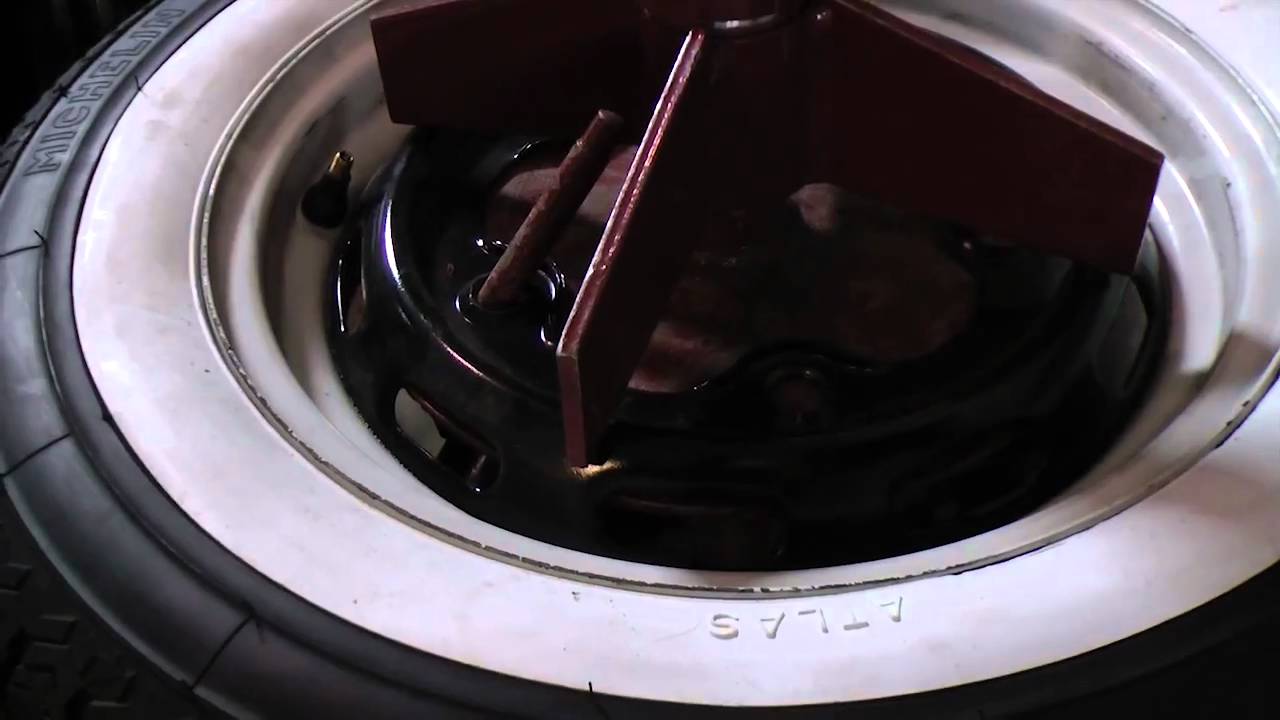
How to install Atlas Portawalls aka cheap whitewalls
How to Make White Wall Tires for Motorcycle
Are you looking to add a unique touch to your motorcycle? White wall tires are a great way to do just that! Here’s how you can make your own white wall tires for motorcycle:
What You’ll Need:-Tire whitening kit (available at most auto parts stores)-Soft bristle brush
-Protective glovesStep 1: Clean the tire. Start by using the soft bristle brush to clean the entire surface of the tire.
Pay special attention to any areas that are especially dirty or grimy. Once the tire is clean, rinse it off with water. Allow it to dry completely before proceeding to the next step.
Step 2: Apply the whitening kit. Follow the instructions included with your kit on how to apply the tire whitening solution. In most cases, you will simply need to pour some of the solution onto a cloth and then rub it onto the tire in circular motions.
Be sure to evenly coat the entire surface of the tire. Allow the solution to sit on the tire for the amount of time specified in the instructions before rinsing it off with water.
Conclusion
If you’re looking to add a touch of style to your car, whitewall tires are a great way to do it. Here’s how to add whitewall tires to your car:1. Choose the right size tire.
You’ll need to know the diameter and width of your tires in order to get the correct size whitewall tires.2. Select the style of whitewall tire you want. There are several different styles available, so take some time to decide which ones you like best.
3. Install the whitewall tires. This is a fairly simple process, but if you’re not comfortable doing it yourself, there are plenty of shops that can do it for you.4. Enjoy your new look!
Whitewall tires can really make a car stand out, so enjoy showing off your new wheels!
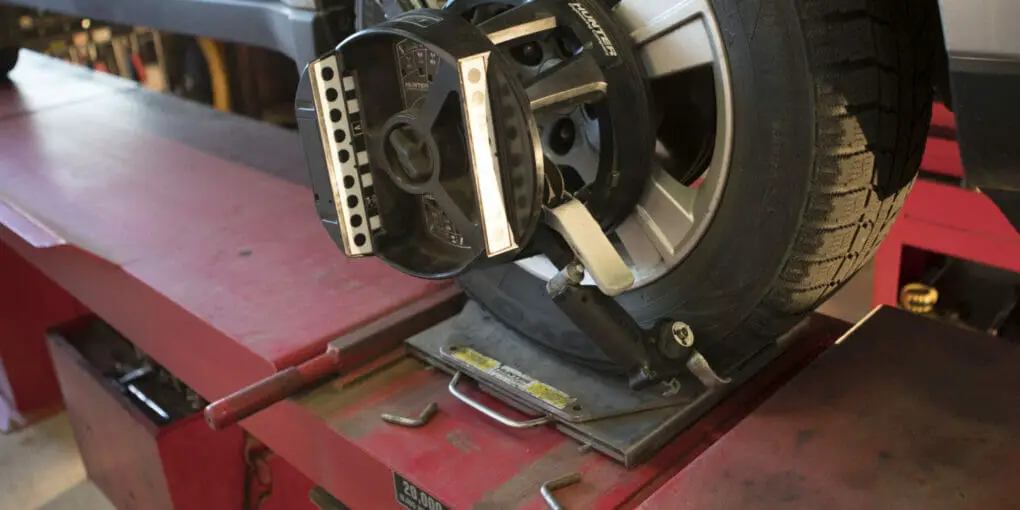
Wheel Alignment Front And Rear
Most car owners don’t think about wheel alignment. But if you don’t keep your wheels aligned, it can cause all sorts of problems. Your car will wear out its tires faster, and it will handle poorly.
That’s why it’s important to get a wheel alignment every so often.There are two types of wheel alignment: front-end and rear-end. Front-end alignment is the most common type.
It involves adjusting the angles of the wheels so that they’re perpendicular to the ground and parallel to each other. This is the kind of alignment that most shops do.Rear-end alignment is less common, but it’s just as important.
It involves adjusting the angles of the rear wheels so that they’re perpendicular to the ground and parallel to each other. This is a bit more complicated than front-end alignment, so not all shops do it.
Most car owners don’t think about wheel alignment until they start to experience problems with their vehicle. If your car is pulling to one side or the other, you may need a wheel alignment. This is a fairly simple and inexpensive procedure that can be done at most auto repair shops.
During a wheel alignment, the technician will adjust the angle of your wheels so that they are perpendicular to the ground. This will ensure that your car drives straight and does not pull to one side. It is important to get a wheel alignment when you first notice these symptoms, as waiting too long can cause damage to your tires and suspension components.
If you’re not sure whether or not you need a wheel alignment, it’s always best to consult with a professional. They will be able to inspect your vehicle and let you know if an adjustment is necessary.

Credit: www.youtube.com
Do I Need Front And Rear Wheel Alignment?
It is important to have your front and rear wheels aligned. This helps ensure that your car will handle properly, preventing premature tire wear. It also helps improve fuel economy.
Most new cars do not need an alignment for the first 50,000 miles or so. But it is a good idea to get it checked if you notice any unusual tire wear or if your car starts pulling to one side.
What is Front And Rear Wheel Alignment?
Most people know that wheel alignment is important, but few know exactly what it entails. Wheel alignment is the process of making sure your vehicle’s wheels are pointing in the right direction and at the correct angle. This may seem like a simple task, but it’s actually quite complex.
There are three main types of wheel alignment: front-end, four-wheel, and rear-wheel. Front-end alignment is the most common type of alignment. It involves adjusting the angles of your vehicle’s front wheels so they’re pointing in the same direction.
Four-wheel alignment is similar to front-end alignment, but it adjusts all four of your vehicle’s wheels instead of just the front two. Rear-wheel alignment is less common than the other two types, but it’s just as important. It adjusts the angles of your vehicle’s rear wheels so they’re pointing in the same direction as the fronts.
Wheel alignments are important because they help keep your vehicle running straight down the road. If your vehicle’s wheels are out of alignment, it can cause problems with steering and handling. Your car may pull to one side or feel unstable when driving at high speeds.
In extreme cases, wheel misalignment can even lead to tire damage and premature wear.If you think your vehicle might need a wheel alignment, there are a few signs to look for: uneven tire wear, abnormal noise coming from your tires or suspension system, or difficulty steering in a straight line.
Do I Need All 4 Wheels Aligned?
If your car is showing any of the following signs, then you may need to get all four wheels aligned:1. Your car pulls to one side when driving
2. You notice that your steering wheel isn’t centered when driving straight
3. Your tires are wearing unevenly
4. You hit a curb or pothole and now your car is vibrating or making strange noisesIf you’re experiencing any of these issues, then it’s probably time to get all four wheels aligned.
Many people make the mistake of only getting their front two wheels aligned, but this can actually cause more problems in the long run. By getting all four wheels aligned, you’ll ensure that your car is running as smoothly as possible.
How Do I Know If I Need 2 Or 4-Wheel Alignment?
If your vehicle is veering to the left or right, it’s a good indication that you may need an alignment. You may also notice that your steering wheel is not level when driving on a flat surface. Other signs include uneven tire wear and your vehicle pulling to one side.
To get an accurate diagnosis, take your car to a reputable mechanic or tire shop and they will be able to tell you if you need a 2-wheel or 4-wheel alignment.
How to Perform Wheel Alignment by Yourself
Wheel Alignment near Me
If you’re like most people, you probably don’t think much about your car’s alignment. But if your vehicle is pulling to one side, or the steering wheel is vibrating, it might be time for a wheel alignment. Wheel alignment is important for maintaining optimal tire wear and preventing premature tire failure.
It can also improve your fuel economy and make your ride more comfortable.There are several signs that indicate you might need a wheel alignment:1. Your car pulls to one side when driving
2. The steering wheel is vibrating or shaking3. Your tires are wearing unevenlyIf any of these sound familiar, it’s time to get your vehicle aligned by a professional.
You can typically find a good wheel alignment shop near you by searching online or asking friends for recommendations. Once you’ve found a few potential shops, be sure to check their reviews before making a final decision.
$40 Wheel Alignment
It’s important to keep your car in good working order, and that includes making sure the wheels are properly aligned. A wheel alignment costs around $40 and is a simple process that can be done at most auto shops.During a wheel alignment, the technician will adjust the angles of your wheels so that they’re pointing in the right direction.
This can help improve your gas mileage, make your car handle better, and extend the life of your tires. It’s a simple but important maintenance task for any car owner!
Wheel Alignment Procedure
A wheel alignment procedure is a process in which a mechanic adjusts the angles of your car’s wheels so that they are pointing in the same direction. This helps to improve the handling of your vehicle and can extend the life of your tires.There are three main types of wheel alignments: toe, camber, and caster.
Toe alignments adjust the angle of your wheels so that they are parallel to each other. This is the most common type of alignment and is often done when you first get new tires. Camber alignments adjust the angle of your wheels so that they are perpendicular to the ground.
This helps to improve handling by keeping your tires from rolling under or oversteering. Caster alignments adjust the angle of your wheels so that they are pointing in the same direction as your steering wheel. This helps to keep your vehicle stable while driving at high speeds or making quick turns.
The best way to know if you need a wheel alignment is to have a professional mechanic check it for you. They will be able to tell you if any of your angles are out of alignment and recommend what type of alignment would be best for your car based on its make, model, and year.
Steering Wheel Alignment
A steering wheel alignment is when your mechanic adjusts the angles of your wheels so that they are pointing in the same direction. This is important for two reasons: safety and longevity of your tires. When your wheels are out of alignment, it can cause your car to pull to one side or the other.
This makes it more difficult to control and increases the likelihood of an accident. Additionally, misaligned wheels will cause uneven wear on your tires, which will shorten their lifespan significantly.There are a few different signs that indicate you may need a steering wheel alignment.
If you notice that your car is pulling to one side or the other when driving, this is a major sign. Additionally, if you notice that your steering wheel isn’t level with the ground when driving straight ahead, or that it’s shaking back and forth, these are both indicators that something may be off with your alignment.If you suspect you need a steering wheel alignment, the best thing to do is take it into a mechanic as soon as possible so they can take a look and let you know for sure.
It’s better to be safe than sorry – plus, getting an alignment taken care of sooner rather than later will save you money in the long run by preventing premature tire wear.
Conclusion
Your car’s wheel alignment is very important. It helps your car to handle properly, and can improve fuel economy. There are two types of wheel alignment: front-end and rear-end.
Front-end alignment deals with the angles of the front wheels, and rear-end alignment deals with the angles of the rear wheels. Both types of alignment are important for proper handling and fuel economy.

How to Calculate Mileage With Oversized Tires
If your truck or SUV came with oversized tires from the factory, or if you’ve installed a larger set of aftermarket tires, you’ll need to make a slight adjustment when calculating your vehicle’s mileage. That’s because every 1-inch increase in tire diameter results in approximately a 3% decrease in fuel economy. So, if your vehicle gets 20 miles per gallon and you install 34-inch tires, you can expect to see a 6% drop in fuel efficiency.
To calculate your new mileage, simply multiply your original mpg by 0.94 (20 x 0.94 = 18.8).
Do Bigger Tires Really Hurt Fuel Mileage?
- Assuming you have already installed the oversized tires on your vehicle:1
- Find the diameter of your new tires
- This can be done by measuring the distance across the tire from one side to the other with a tape measure, or by looking up the dimensions of your specific tires online
- Convert the tire diameter into inches
- Multiply that number by 3
- 14159 (pi) to find the circumference of each tire
- Divide 5,280 (the number of feet in a mile) by the circumference of your tire to find out how many rotations it will take to travel one mile – this is your mileage multiplier for calculating MPG with oversized tires
- 5) To calculate your new MPG, simply multiply your old MPG rating by your mileage multiplier from Step 4 above
Odometer Difference With Bigger Tires
If you have ever wondered if there is a difference in the odometer reading with bigger tires, the answer is yes. The circumference of the tire affects the distance that the vehicle travels per revolution. So, when you install larger tires, the odometer will read fewer miles than it actually traveled.
The effect on your odometer reading will depend on the size of the tire. For example, if you install a 35-inch tire, your odometer will under-read by about 3%. This means that for every 100 miles that you travel, your odometer will only show 97 miles.
Similarly, if you install a 37-inch tire, your odometer will under-read by about 5%. So for every 100 miles travelled, your odometer would only show 95 miles.This may not seem like a big deal but it can add up over time.
If you drive 15,000 miles per year and have a 35-inch tire installed, your actual mileage driven would be 15,450 miles but your odometer would only show 14,925 miles (15% less). This can be important to keep in mind if you are trying to track your mileage for business or personal purposes.Fortunately, most newer vehicles have GPS systems which are not affected by changes in tire size so you can still track your actual mileage even with larger tires installed.
Tire Size Calculator
When it comes to buying new tires, one of the most important factors to consider is the size. There are a number of different ways to calculate tire size, but the easiest way is to use a tire size calculator.A tire size calculator will take into account the width, height, and diameter of your wheels in order to determine what size tires you need.
You can input this information manually or simply measure your wheels with a tape measure. Once you have this information, the calculator will do the rest of the work for you.There are a few things to keep in mind when using a tire size calculator.
First, make sure that you are using the correct measurements for your particular vehicle. Second, remember that some calculators allow you to input either metric or standard units; be sure to use the right ones for your needs. Finally, don’t forget that tire sizes can vary slightly between brands, so it’s always best to double-check with the manufacturer before making your final purchase.
With a little bit of effort, finding the perfect tires for your car can be easy and painless!
Speedometer Calculation Formula
A speedometer is an instrument that measures the instantaneous speed of a moving object. The most common type of speedometer uses a mechanical device to rotate a needle in proportion to the speed of the vehicle. However, electronic speedometers are also becoming increasingly popular.
The basic formula for calculating the speed of a vehicle using a speedometer is:Speed = Distance traveled / Time takenThis formula can be used to calculate the speed of any moving object, not just vehicles.
To use this formula, you will need to know two things: the distance traveled by the object, and the time it took to travel that distance.
How to Figure Gas Mileage When Speedometer is off
Are you trying to determine your vehicle’s gas mileage, but the speedometer is off? If so, there are a few ways that you can still calculate it. Here’s how:
1. Use GPS. If you have a GPS system in your vehicle or on your phone, you can use it to track your speed and distance traveled. This will give you an accurate reading of your gas mileage.
2. Calculate based on fuel consumption. Keep track of how much fuel you’re using over time and distance traveled. This method won’t be as accurate as using GPS, but it will still give you a good idea of your car’s gas mileage.
3. Check the odometer reading against known landmarks. If you know the exact distance between two landmarks, you can compare your car’s odometer reading to see how far it has driven since passing the first landmark. This method won’t work if the speedometer is significantly off, but it can give you a general idea of your gas mileage if the speedometer is only slightly off.
Fuel Mileage Calculator
The EPA Fuel Economy Guide can help you calculate your car’s fuel mileage. This guide provides information on estimating gas mileage, as well as tips for improving fuel economy.The most important factor in determining a car’s fuel economy is its engine size.
Smaller engines tend to be more fuel-efficient than larger ones. Other factors that affect fuel economy include a car’s weight, its aerodynamic design, and the way it is driven.You can use the EPA Fuel Economy Guide to estimate your car’s gas mileage based on these factors.
The guide also provides tips for improving your car’s fuel economy. For example, you can improve your gas mileage by driving at moderate speeds, avoiding excessive idling, and keeping your tires properly inflated.

Credit: www.ebay.com
How Do You Calculate Odometer With Bigger Tires?
If you have ever wondered how to calculate your car’s odometer with bigger tires, wonder no more! Here is a step-by-step guide on how to do just that:First, you will need to know the original diameter of your car’s tires.
You can find this information either in your car’s manual or by looking at the sidewall of the tire. Once you have this measurement, divide it by 2 to get the radius.Next, you will need to measure the new diameter of the tires.
Again, this can be found on the sidewall of the tire. Once you have this measurement, divide it by 2 to get the new radius.Now that you have both radii, you can use this formula to calculate your new odometer reading:
How Much Gas Mileage Will I Lose With Bigger Tires?
Adding larger tires to your vehicle can negatively impact your gas mileage. The added weight of the larger tires will require more fuel to maintain speed, and the increased rolling resistance will make your engine work harder. In general, you can expect to see a decrease of 2-3% in fuel economy for every 1″ increase in tire diameter. So if you upgrade from a 35″ tire to a 38″ tire, you can expect to see a decrease of approximately 6-9% in your gas mileage.
Of course, this number will vary depending on the specific tires you choose and other factors like terrain and driving habits.
Do Larger Diameter Tires Increase Gas Mileage?
Yes, larger diameter tires can increase your gas mileage. The reason for this is that they have less rolling resistance, which means they require less energy to move. This can be especially beneficial if you frequently drive on highways or other long distances.
In addition, larger tires also tend to have lower air drag, which further increases their efficiency.
Conclusion
Oversized tires are a great way to improve your vehicle’s performance, but they can also cause some problems when it comes time to calculate your mileage. Fortunately, there is a simple way to calculate your mileage with oversized tires.To start, you will need to know the circumference of your tires.
You can find this information on the sidewall of the tire. Once you have the circumference, simply divide it by 5280 (the number of feet in a mile). This will give you the distance that your tire travels in one mile.
Next, you need to determine how many miles per gallon your vehicle gets with its current tires. You can do this by dividing the number of miles traveled by the number of gallons of gas used. For example, if you travel 20 miles and use 1 gallon of gas, then your vehicle gets 20 MPG.
Finally, you need to multiply the distance that your tire travels in one mile by the number of MPG that your vehicle gets. This will give you the total number of miles that your vehicle can travel with oversized tires. For example, if your tire travels 24 inches in one mile and your vehicle gets 20 MPG, then you can expect to travel 480 miles on a full tank of gas with oversized tires.