
- Home
- Archive: August, 2023
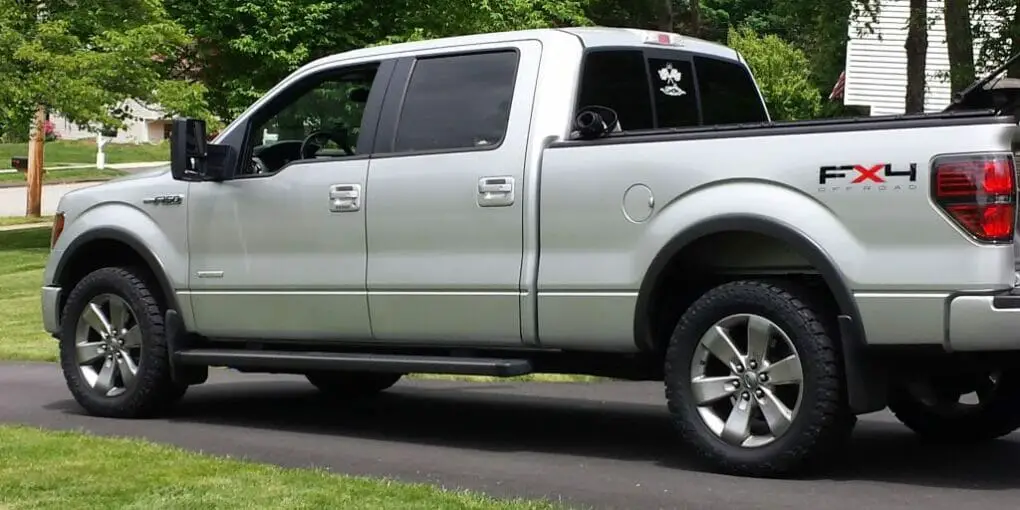
How Much Air to Run in 10 Ply Tires
There are a lot of factors that go into how much air to run in your tires. The size and style of the tire, the weight of the vehicle, and even the weather can all play a role in how much air should be in your tires. 10 ply tires are no different.
How much air you should put in them depends on all of those factors, and more.You always want to start with the manufacturer’s recommended pressure for your specific tire size. From there, you can adjust based on other factors.
If you’re carrying a heavy load, or if it’s hot outside, you may need to add a few PSI to account for the extra weight or heat. Conversely, if it’s cold outside or you’re not carrying much weight, you may be able to get away with running a little less air in your tires.
If you have ever wondered how much air to run in your 10 ply tires, wonder no more! The answer is actually quite simple. You will need to fill your tires with air until the pressure reaches 35 PSI.
At this point, your tires will be properly inflated and ready to hit the road!
What Tire Pressure Should You Run On Your Truck With New Tires? How to Do The Chalk Line Test!
Is 40 Psi Good Tire Pressure?
It is often said that maintaining the correct tire pressure is one of the most important things you can do to prolong the life of your tires. So, what is the correct tire pressure for your car? And how do you know if your tires are inflated to the proper level?
The answer to these questions depends on a few factors, including the type of vehicle you drive and its recommended tire pressure. For most passenger vehicles, it is typically recommended that tires be inflated to between 30 and 35 psi (pounds per square inch). However, there are a few exceptions.
For example, some newer cars with low-profile tires may require a higher tire pressure, such as 40 psi.If you’re unsure about what PSI (pounds per square inch) rating is right for your car’s tires, consult your owner’s manual or look for the placard on your doorjamb that lists the recommended pressures for front and rear tires. Once you know this number, use a reliable tire gauge to check your current tire pressure and inflate or deflate them as needed to reach the proper level.
What Psi Should My E Rated Tires Be?
The answer to this question depends on the specific E rated tire in question, as different tires can have different recommended PSI levels. However, in general, E rated tires should be inflated to a PSI level of between 30 and 35. This will ensure that the tire is properly inflated and able to support the weight of the vehicle it is mounted on.
Should I Increase Tire Pressure for a Heavy Load?
If you’re carrying a heavy load, you may be tempted to increase your tire pressure to avoid a blowout. But is this really the best idea?Here’s what you need to know about increasing tire pressure for a heavy load.
First, it’s important to understand that there are different types of tires – passenger car tires and light truck tires. Passenger car tires are not designed to carry as much weight as light truck tires, so if you’re carrying a heavy load, it’s best to use light truck tires.Second, when you’re carrying a heavy load, it’s important to maintain proper inflation in your tires.
Overinflating your tires can lead to problems such as decreased traction and increased wear and tear on the treads. On the other hand, underinflating your tires can also cause problems, such as decreased fuel efficiency and increased chance of a blowout. So how do you know what’s the right amount of air pressure for your situation?
The answer depends on several factors, including the type of vehicle you’re driving and the weight of the load you’re carrying. You’ll need to consult your owner’s manual or ask a professional mechanic for specific advice on inflating your tires for a heavy load. In general though, it’s best not to exceed the maximum recommended inflation pressure for your particular vehicle/tire combination.
In summary, if you’re carrying a heavy load, it’s best to use light truck tyres and maintain proper inflation in your tyres. If you have any questions about how much air pressure is right for your situation, be sure to consult with a professional mechanic before making any changes.
How Much Air Pressure Should Be in a 265 75 R16 Tire?
Assuming you would like information on how to properly inflate a 265/75R16 tire:The first step is to check your owner’s manual or the placard on your doorjamb for the recommended tire pressure. This is typically between 30 and 35 PSI, but it’s always best to start with the manufacturer’s recommendations.
Once you have that number, use a good quality tire gauge to check the pressure in all four of your tires. If any are low, add air until they reach the proper pressure. You can usually find an air pump at your local gas station.

Credit: www.agrisupply.com
10 Ply Tire Psi on 1/2 Ton Truck
If you have a 1/2 ton truck, you should inflate your 10 ply tires to 80 PSI. This will give you the best possible tire life and fuel economy. Overinflating your tires can cause them to wear out prematurely, so be sure to check your PSI regularly.
Recommended Psi for 10 Ply Tires
If you’re driving a car with 10 ply tires, the recommended psi is generally between 24 and 30. This range provides the best combination of comfort and traction for most drivers. Higher psi levels can provide better handling on dry roads, but may cause increased wear and tear on the tires.
Lower psi levels will improve traction in wet or snowy conditions, but may make the ride less comfortable. Ultimately, it’s up to each driver to experiment with different psi levels to find what works best for them.
Recommended Tire Pressure for 265/75R16 10 Ply
If you have a 265/75R16 10 Ply tire, the recommended tire pressure is 35 psi. This is the standard pressure for most tires of this size and type. However, it is always best to check your owner’s manual or with the manufacturer to be sure.
Overinflating your tires can cause them to wear out prematurely and may even lead to a blowout.
Conclusion
If you have a 10 ply tire, you should run about 28 psi of air in it. This will give you the best chance of not getting a flat tire and being able to safely drive on the road.
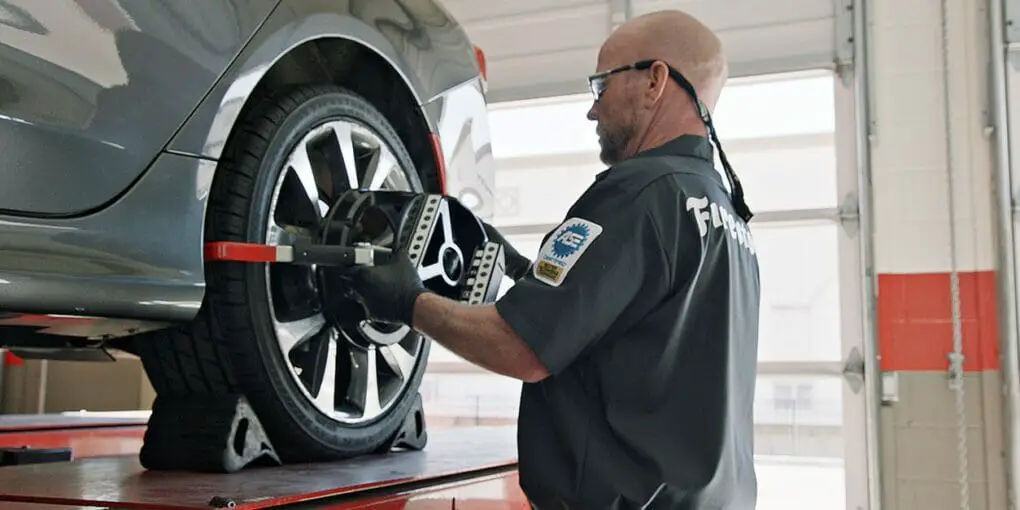
How Much To Align And Balance Tires? | Tire Hubz
How Much to Align And Balance Tires is a question that many people have. There are a few things that you need to take into consideration when trying to determine how much it will cost you to align and balance your tires. The first thing that you need to consider is the type of vehicle that you own.
Depending on the make and model of your vehicle, the price for an alignment and balancing can range anywhere from $50-$200. Another thing to consider is whether or not your vehicle needs special equipment in order for the alignment and balancing process to be completed correctly. If your vehicle does require special equipment, then it is likely that the price will be on the higher end of the spectrum.
It’s important to make sure your tires are properly aligned and balanced. Otherwise, you could end up with uneven wear and tear, which can lead to premature tire failure. There are a few things you need to keep in mind when aligning and balancing your tires.
First, you’ll want to check your owner’s manual to see what the recommended alignment specifications are for your vehicle. Once you have that information, you can take your car to a professional shop to have the work done. Keep in mind that alignment adjustments can vary depending on the type of driving you do.
If you regularly drive on rough roads or in stop and go traffic, you may need more frequent alignments than someone who mainly drives on highways. As for tire balancing, it’s generally best to have this done whenever you get new tires or have your old ones replaced. That way, you can be sure that all four tires are evenly weighted and won’t cause any vibration issues while driving.
Table of Contents
How Much Does It Cost to Rebalance Tires?
It is important to keep your tires in good condition and properly inflated. One way to do this is to rebalance them regularly. Tire balancing generally costs between $40 and $60 per tire, so it is important to factor this into your budget.
What is the Cost of Wheel Alignment And Balancing?
Wheel alignment and balancing is an important part of maintaining your vehicle. It helps to keep your tires in good condition and can improve your gas mileage. The cost of wheel alignment and balancing can vary depending on the type of vehicle you have and the size of your tires. For a standard car, the average cost for these services is between $50 and $100.
How Much Does It Cost to Get 4 Tires Mounted And Balanced?
It typically costs between $40 and $100 to have four tires mounted and balanced. The exact cost will vary depending on the tires themselves, as well as the type of vehicle you have. In general, it is less expensive to have tires mounted and balanced on a smaller car than it is on a larger SUV or truck.
How Much Does an Alignment Cost?
An alignment cost can range anywhere from $50-$200. The price will depend on the type of vehicle, where you live, and the severity of the misalignment. Many auto shops offer a free alignment check to determine how much the service will cost.

How Much Does an Alignment Cost at Walmart
If your vehicle is out of alignment, it can cause a number of problems. Your tires may wear down prematurely, and you may experience uneven steering or handling. Getting an alignment can help extend the life of your tires and improve your driving experience.
So, how much does an alignment cost at Walmart? A basic alignment at Walmart typically costs around $50. However, if you have a more complex problem or if your vehicle requires special attention, the price may be higher.
For example, an alignment on a four-wheel drive vehicle will usually cost more than one on a two-wheel drive car. Before you get an alignment, it’s important to have your vehicle checked by a qualified mechanic. They can identify any underlying issues that may be causing the problem and recommend the best course of action.
Once you’ve decided to get an alignment, make sure to find a reputable shop that uses quality equipment. This will ensure that your vehicle is properly aligned and that the job is done right the first time.
Wheel Alignment Near Me
If you’re looking for a wheel alignment near you, there are a few things to keep in mind. First, make sure the shop you choose is reputable and has experience aligning wheels. Second, ask about the cost of the alignment and what type of warranty is included.
Finally, be sure to get an estimate of how long the alignment will take so you can plan accordingly. There are many benefits to having your wheels aligned, including prolonging the life of your tires, improving gas mileage, and making your ride more comfortable. So, if you’re in need of a wheel alignment, be sure to find a reputable shop near you that can get the job done right.
Tire Balancing, Wheel Alignment, Tire Rotation, what’s the difference?
Tire Balance And Alignment Near Me
If your vehicle is showing signs of uneven tire wear or if you’re experiencing unusual vibration while driving, it’s likely that your tires are out of balance or alignment. Fortunately, there are many reputable tire shops and auto repair shops that offer tire balancing and alignment services. When choosing a shop to perform these services, be sure to ask about their experience and whether they use the latest equipment.
You should also inquire about any special offers or discounts that may be available. Once your tires are properly balanced and aligned, you’ll notice a smoother ride and improved handling. So, if you’re in need of these services, be sure to find a reputable shop near you!
Frequently Asked Questions (FAQs)
What Is Tire Alignment And Balancing?
Tire alignment refers to adjusting the angles of the wheels so that they are parallel to each other and perpendicular to the ground. This ensures optimal tire contact with the road, improves handling and prevents uneven tire wear. Tire balancing, on the other hand, involves adding weights to the wheel to counterbalance any heavy spots, reducing vibrations and improving ride comfort.
How Often Should I Get My Tires Aligned And Balanced?
It is generally recommended to have your tires aligned and balanced every 6,000 to 8,000 miles or at least once a year. However, it may be necessary to have them checked more frequently if you frequently drive on rough roads, hit potholes, or notice any signs of misalignment or imbalance such as uneven tire wear or vibrations.
How Much Does Tire Alignment And Balancing Cost?
The cost of tire alignment and balancing can vary depending on factors such as the location, the type of vehicle, and any additional services required. On average, you can expect to pay around $50 to $100 for a standard alignment and balancing service. It is advisable to check with local service centers or tire shops for accurate pricing.
Can I Align And Balance My Tires Myself?
While it is technically possible to align and balance tires yourself, it is generally recommended to have the job done by a professional. Proper alignment and balancing require specialized equipment and knowledge to ensure accurate results. DIY attempts may lead to incorrect alignment, imbalanced tires, and potential safety issues.
How Long Does The Tire Alignment And Balancing Process Take?
The tire alignment and balancing process typically takes around 1 to 2 hours. However, this can vary depending on factors such as the specific alignment method used, the condition of the tires and suspension components, and any additional repairs or adjustments needed. It is best to check with the service center or technician for a more accurate time estimate.
Can Tire Alignment And Balancing Improve Fuel Efficiency?
Yes, proper tire alignment and balancing can improve fuel efficiency. When the wheels are properly aligned, there is reduced rolling resistance, which means the engine doesn’t have to work as hard to move the vehicle. Balanced tires also reduce vibrations, which can further enhance fuel efficiency. However, the impact on fuel efficiency may vary depending on other factors such as driving habits and vehicle conditions.
Can Tire Alignment And Balancing Fix All Steering And Handling Issues?
While tire alignment and balancing can address many steering and handling issues, it is not a guaranteed solution for all problems. If you are experiencing persistent steering or handling issues, it is advisable to have a professional inspection to identify any additional underlying issues with the suspension, steering system, or other components.
Conclusion
Tires are an important part of a car, and it is important to make sure they are in good condition. One way to do this is to align and balance them. Aligning means making sure the tires are pointing in the same direction while balancing means making sure the weight of the tire is evenly distributed.
There are a few different ways to align and balance tires, but the most common method is to use a machine at a garage or tire shop. This process can be done relatively quickly and easily, and it will help extend the life of your tires.
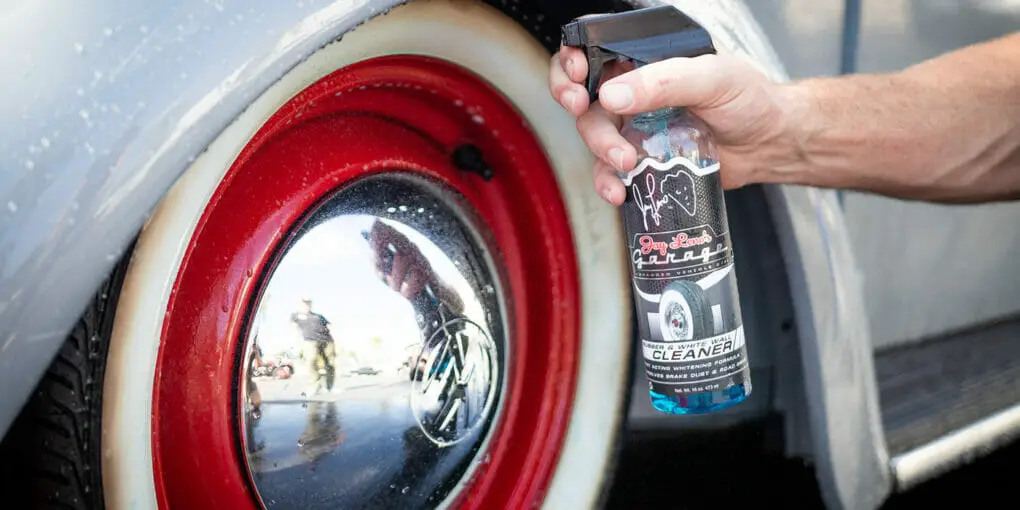
How to Keep White Walls Tires Clean
If you have white walls on your tires, you know how difficult it can be to keep them clean. Here are a few tips to help you keep your white walls looking their best.First, make sure that you wash your tires regularly.
This will help to remove any dirt or grime that has built up on the surface of the tire. You can use a mild soap and water to clean the tires, or you can use a commercial tire cleaner.Next, when you are drying off your tires after washing them, be sure to use a soft cloth so that you don’t scratch the surface of the tire.
You may also want to wax your tires after they are dry to help protect the finish and keep them looking shiny.Finally, if you do get some dirt or grime on your white walls, don’t scrub at it too hard. This can damage the finish of the tire and make it more difficult to clean in the future.
Instead, try using a toothbrush or other soft brush to gently remove the dirt from the surface of the tire.
- Use a mild soap and warm water to clean the tires
- Rinse the tires with clean water
- Apply a tire dressing to protect the tires from future dirt and grime build-up
Delboy's Garage, Harley white wall tires cleaning tip
How Do You Maintain White Wall Tires?
Assuming you would like tips on how to keep your tires looking clean and new:It is important to maintain your tires, not only for appearances but also for safety. Over time, dirt, grime, and other materials can build up on the surface of the tire, potentially causing issues with traction.
Here are a few tips on how to keep your white wall tires clean:1. Inspect your tires regularly. Check for any cracks or damage that may have occurred.
If you see any issues, take your car to a mechanic as soon as possible.
2. Clean the surface of the tire with soap and water regularly. A soft brush can help remove any stubborn dirt or grime.
Be sure to rinse the tire well afterwards so that no soap residue is left behind.
3. Apply a protectant to the tire after cleaning it. This will help create a barrier against dirt and grime in the future and make cleanup easier overall.
4. Touch up any scuffs or marks on the tire with white paint as needed.
Can You Put Tire Shine on White Wall Tires?
Yes, you can put tire shine on white wall tires. However, there are a few things to keep in mind. First, white wall tires are generally made of a softer material than other tires, so be sure to use a tire shine that is specifically designed for white wall tires.
Second, be careful not to get any tire shine on the painted surfaces of your car – it can cause staining. Finally, always apply tire shine in a well-ventilated area to avoid inhaling fumes.
How Do You Refresh White Wall Tires?
Assuming you are talking about whitewall tires on a car:The best way to refresh white wall tires is to clean them with soapy water and a brush. You can also use a power washer, but be careful not to damage the tire.
Once the tires are clean, you can apply a new coat of paint or sealant.
What is the Best Product to Clean White Wall Tires?
Assuming you are talking about cleaning the white walls on tires and not making them white:There are a few different ways that you can clean your white wall tires, but we think the best way is to use a product called Tire Cleaner. This cleaner is specifically designed to clean tires, and it does an excellent job of removing dirt, grime, and other debris from the surface of the tire.
To use Tire Cleaner, simply spray it onto the surface of the tire and let it sit for a few minutes. Then, use a brush or cloth to scrub the tire in a circular motion. Once you’ve scrubbed all of the dirt and grime off of the tire, rinse it off with water.
Tire Cleaner is available at most auto parts stores, and it’s relatively inexpensive. So if you’re looking for an easy way to keep your white wall tires clean, we recommend giving Tire Cleaner a try.
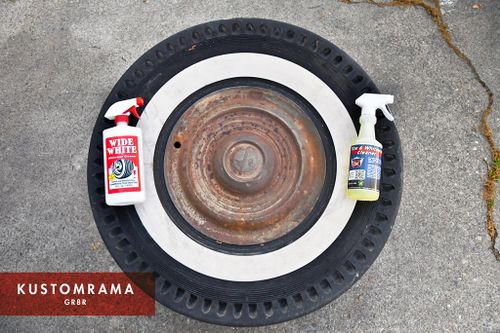
Credit: kustomrama.com
How to Clean White Wall Tires on a Bike
If your bike has white wall tires, you know how difficult they can be to keep clean. Here are a few tips on how to clean white wall tires on a bike:1. Use warm water and soap to remove any dirt or grime from the tires.
Be sure to rinse the tires well afterwards.2. Apply a tire cleaner specifically designed for white walls. You can find these cleaners at most auto parts stores.
3. Use a soft brush to scrub the cleaner into the tire. Be sure to get all sides of the tire, including the sidewalls.4. Rinse the tires well with clean water.
Cleaning White Wall Tires With Magic Eraser
If your car’s wheels are looking a little dull, you can easily clean them up with a Magic Eraser. Just dampen the eraser and rub it over the tires in a circular motion. The eraser will remove any dirt or grime that’s built up on the surface of the tire.
You can also use a Magic Eraser to clean whitewall tires. Just be sure to go slowly and avoid scrubbing too hard, as you don’t want to damage the delicate white finish.
How to Clean White Wall Tires Baking Soda
If you’re like most people, your car is one of your biggest investments. You want to keep it looking its best, and that includes keeping the tires clean. White wall tires can be especially difficult to keep clean, but with a little elbow grease and the right supplies, it’s not impossible.
Here’s how to clean white wall tires baking soda:1. Begin by mixing together a solution of 1 part water and 1 part baking soda.2. Next, use a soft-bristled brush to scrub the mixture onto the surface of the tire.
Be sure to get into all of the nooks and crannies.3. Allow the mixture to sit on the tire for at least 15 minutes before rinsing it off with water.
Conclusion
If you want to keep your white walls clean, here are a few tips. First, avoid driving in dirty or dusty areas. Second, when you wash your car, use a hose to rinse off the tires before you wash them with soap and water.
Third, use a tire cleaner that is designed for whitewalls. Fourth, apply a protectant to the tires after they are clean.
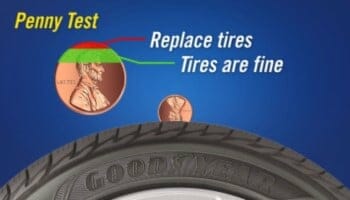
How to Check Car Tires With a Penny
One of the most important things to do when caring for a car is to check the tires. Tires can be expensive to replace, so it is important to catch any problems early. One way to check the tread on tires is by using a penny.
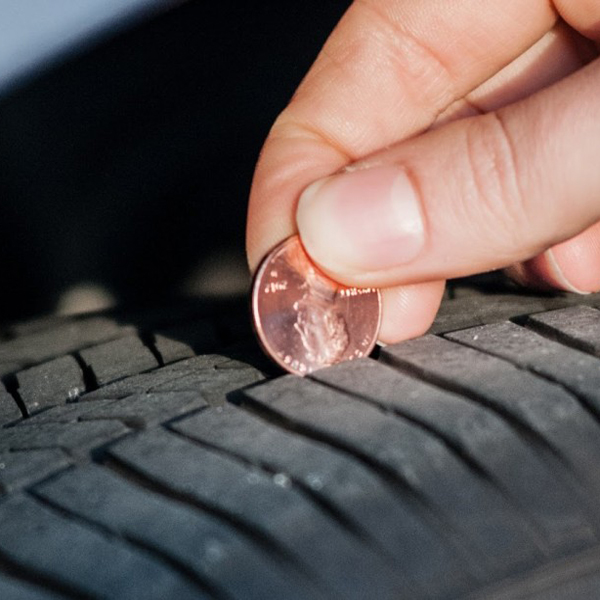
First, find a penny and hold it upside down with Lincoln’s head facing downwards. Next, insert the penny into the tread groove of the tire. If you can see all of Lincoln’s head, then your tread depth is less than 2/32″. This means that you should replace your tires as soon as possible. If you can only see part of Lincoln’s head, then your tread depth is between 2/32″ and 4/32″.
This means that your tires still have some life left but you should keep an eye on them.
- Park your car on a level surface and turn off the engine
- Locate the penny test area on your tire
- This is the shallowest part of the tread, and it’s where you’ll insert the penny to check the depth
- Insert the penny into the test area with Lincoln’s head facing down
- If you can see all of Lincoln’s head, your tread depth is less than 2/32 inch and it’s time to replace your tires
How to Check Your Tire Tread Depth with a Gauge or a Penny
Is the Penny Test for Tires Accurate?
The penny test is a common way to check whether your tires have enough tread left to be safe. The idea is simple: insert a penny into the tread of your tire, with Lincoln’s head facing down. If you can see all of Lincoln’s head, your tread depth is less than 2/32 inch and it’s time to replace your tire.
If part of Lincoln’s head is obscured, you have more than 2/32 inch of tread depth remaining and your tire is still safe.So, Is the Penny Test Accurate?Yes and no.
The penny test will tell you if your tread depth is less than 2/32 inch, but it won’t give you an accurate measurement of how much tread is left. For that, you need a measuring tool like a micrometer or caliper. However, the penny test is a quick and easy way to get a general idea of whether your tires need to be replaced.
What Coin Do You Use to Test Tires?
When it comes to testing tires, there are a few different options available. However, the most common coin used is a quarter. This is because quarters are easy to find and they have a nice, round shape that makes them perfect for testing tires.
Plus, they’re small enough that they won’t damage the tire if they happen to slip while you’re checking the tread depth.
How Can You Tell How Much Tread is Left on a Tire?
It’s important to check your tire tread regularly to ensure safe driving conditions. Here are a few ways to tell how much tread is left on a tire:The Penny Test: Place a penny head-first into several tread grooves across the tire.
If you can see all of Lincoln’s head, your tread depth is less than 2/32 inch and it’s time to replace your tires.
If part of Lincoln’s head is always covered by the tread, you have more than 2/32 inch of tread depth remaining.The Quarter Test: Similar to the penny test, insert a quarter into the tread groove with Washington’s head upside down and facing you.
If you can see all of his head, your tread depth is less than 4/32 inch and it’s time to replace your tires.
However, if you can only see Washington’s hairline, you have between 4/32 and 6/32 inches of tread depth remaining.
Tread Depth Gauge: You can purchase a tool called a tread depth gauge which precisely measures the thickness of your tire tread.
Many hardware and auto stores sell these for around $10.
With this tool, insert the measuring rod into the deepest part of the tread groove until it stops.
Credit: evanstire.com
Penny Test
Assuming you would like a blog post about the penny test for determining if something is real silver:The Penny Test is a quick and easy way to determine whether an item is made of real silver. Simply take a regular penny and rub it along the surface of the item in question.
If the item is made of silver, you should see a black streak left behind on the penny. If there’s no black streak, then the item is likely not made of silver (or is very low quality silver).This test works because pure silver is very soft and will easily be scratched by a harder metal like copper.
So, when you run a penny along the surface of an object, if that object is made of silver, you’ll see a black line where the copper from the penny has been transferred onto the surface of the object.Keep in mind that this test isn’t foolproof – some lower quality silver items may not leave a black mark on a penny. But in general, if an object fails the Penny Test, it’s probably not made of pure silver.
Conclusion
It’s important to regularly check your car tires to ensure they are properly inflated and in good condition. Here’s a quick and easy way to do it with a penny.First, find a penny and insert it head first into the tire tread.
If the top of Lincoln’s head is visible, then your tread depth is less than 2/32nds of an inch and you should replace your tires. If his entire head is visible, then you have zero tread depth and need new tires immediately!If the penny test shows that your tread depth is fine, then use a tire gauge to check the air pressure in each tire.
The ideal pressure for most passenger cars is between 30-35 PSI.

How to Grow Sweet Potatoes in Tires
Sweet potatoes are a nutritious and delicious root vegetable that can be easily grown in tires. Tires make great planters for sweet potatoes because they retain moisture and heat, both of which are necessary for growing sweet potatoes. To grow sweet potatoes in tires, simply fill the tire with soil and plant the potato slips or seeds.
Water regularly and wait for the vines to grow. When the vines begin to produce small white flowers, it is time to harvest the sweet potatoes.
- Choose a sunny spot in your garden to place your tire planter
- Fill the tire with good quality potting soil, almost to the top of the tire
- Plant 2 or 3 sweet potato slips in the soil in each tire, making sure that the slips are spaced evenly apart
- Water your newly planted sweet potatoes well, and continue to water them regularly throughout the growing season
- As the sweet potatoes grow and begin to fill out the tires, you can add more soil around them if needed
- When it comes time to harvest your crop, simply pull up the entire tire (slips and all) and tip it over to dump out the sweet potatoes
Growing sweet potatoes in tires and raised beds
Does Growing Potatoes in Tires Work?
If you’re looking for a way to grow potatoes that is both effective and efficient, then growing them in tires may be the method for you. This type of potato cultivation has been gaining popularity in recent years due to its many benefits. Here are some things to keep in mind if you’re considering growing potatoes in tires.
One of the main advantages of growing potatoes in tires is that it requires less space than traditional methods. This is because you can stack the tires on top of each other, which maximizes the use of vertical space. Additionally, this method eliminates the need for rows or furrows, which can save you even more space.
Another benefit of tire potato cultivation is that it’s relatively low maintenance. Once you’ve set up your system, there’s not much else you need to do besides water your plants and harvest your potatoes when they’re ready. This can be a great option for busy gardeners who don’t have a lot of time to dedicate to their gardens.
If you’re considering growing potatoes in tires, there are a few things to keep in mind. First, make sure that the tires you use are clean and free of any chemicals or toxins. Second, ensure that the soil inside the tire is loose and well-draining so that your potatoes will have plenty of room to grow.
Finally, water your plants regularly and fertilize them as needed; otherwise, your plants may become stressed and produce fewer potatoes.
How Do You Grow Potatoes in Tires?
Tires are an easy and efficient way to grow potatoes. They take up very little space, can be placed in a sunny spot, and require minimal effort to maintain. Plus, they make harvesting a breeze!
Here’s how to get started:1. Choose a sunny spot in your yard or garden for your tire potato patch. Place tires on their sides so that the open end is facing up.
If you’re using multiple tires, stack them on top of each other.2. Fill the tire with good quality potting soil or garden soil until it’s about 3/4 full. You can add some compost or manure to the soil for extra nutrients if desired.
3. Plant seed potatoes (or regular potatoes that have been cut into small pieces) about 4-6 inches deep in the soil. Space them out evenly around the tire so that they have room to grow. Water well after planting.
4. As the potatoes start to grow, continue adding more soil to the tire so that it covers the plants completely except for the very top leaves. This will help prevent sunscald and encourage more tubers to form underground. Water regularly throughout the growing season as needed (potatoes need about 1 inch of water per week).
5 When the potato plants start to yellow and die back (usually in late summer), it’s time to harvest your crop! Just tip over the tire and dig out all of those delicious potatoes!
How Long Does It Take Sweet Potatoes to Grow Eyes?
It takes about two to three weeks for sweet potatoes to grow eyes. This is a relatively fast process compared to other vegetables, which can take several weeks or even months to develop eyes. Sweet potatoes need warm temperatures and plenty of moisture in order to grow properly.
If the conditions are too cold or too dry, the potato will not develop eyes and will not be able to sprout.
How Many Sweet Potatoes Do You Get Per Plant?
The average sweet potato plant will yield between 5 and 10 pounds of potatoes. However, there are many variables that can impact this number, such as the variety of sweet potato planted, the growing conditions, and the amount of care given to the plants. Some growers may get much higher yields from their plants while others may get lower yields.

Credit: dengarden.com
Growing Potatoes in Tires Toxic
Most people are unaware that growing potatoes in tires is actually quite toxic. While it may seem like a cheap and easy way to grow your own potatoes, the reality is that the chemicals used in tires can leach into the soil and poison your plants. In addition, tires are often made from recycled materials which can also be contaminated with heavy metals and other toxins.
If you’re serious about growing healthy potatoes, it’s best to avoid using tires altogether. There are plenty of other options for container gardening that won’t put your food at risk.
Conclusion
If you’re looking for a fun and easy way to grow sweet potatoes, try growing them in tires! All you need is a few tires, some potting soil, and some plants or slips. To get started, simply stack the tires on top of each other and fill with potting soil.
Then plant your slips or seedlings in the tire openings and water well. As the sweet potatoes grow, they’ll spill over the sides of the tires and create a beautiful mound of greenery. Be sure to harvest before the first frost for best results.
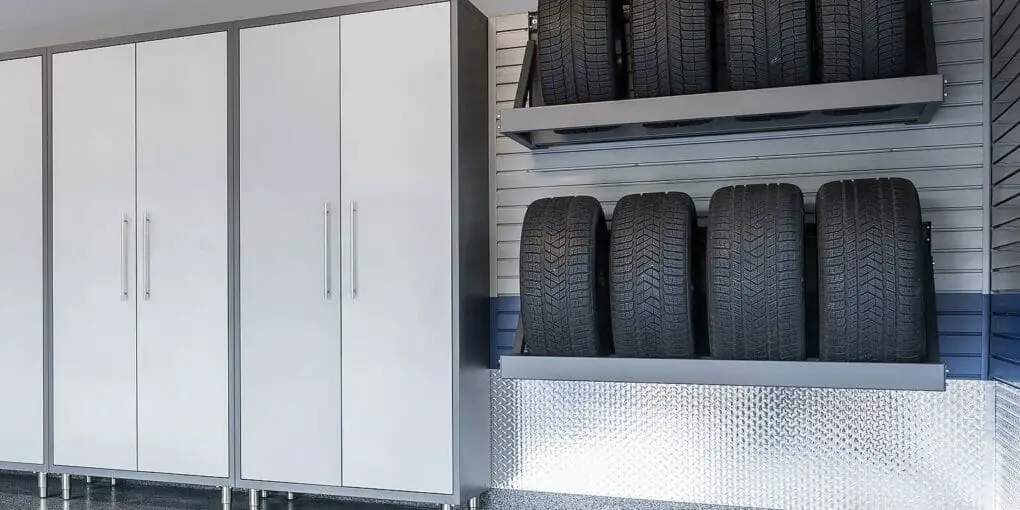
How to Hang Tires in Garage
When it comes to working on your car, there are a lot of things you can do in your garage. One of the most popular is hanging tires in garage. This is a great way to get more space in your garage and to keep your tires from getting dirty.
Here are some tips on how to hang tires in garage.
- Choose a location in your garage to hang the tires
- Make sure that the area is clear of any obstacles and that there is enough space for the tires
- Hang a rope or piece of chain from a rafter or beam in the garage ceiling
- The length of the rope should be long enough to allow the tires to swing freely without hitting anything
- Tie one end of the rope around the rim of one tire
- Swing the tire up into the air and loop the other end of the rope over the rafter or beam so that it is suspended from the ceiling
- Repeat steps 3 and 4 for each additional tire that you want to hang in your garage
Store Tires Vertically Or Horizontally
When it comes to storing tires, there is no definitive answer as to whether it is better to store them vertically or horizontally. Ultimately, it depends on personal preference and the amount of space available. However, there are a few things to keep in mind when making your decision.
If you opt to store your tires vertically, it is important to make sure that they are supported evenly so that they do not topple over. This can be accomplished by hanging them from the ceiling or placing them on a sturdy rack. Storing tires horizontally takes up more space, but can be easier to organize if you have a lot of them.
It is also important to ensure that they are not stacked on top of each other, as this could cause damage.Ultimately, the best way to store tires is in a cool, dry place where they will not be exposed to extreme temperatures or sunlight. This will help prolong their lifespan and prevent premature deterioration.

Credit: forums.pelicanparts.com
How Should I Store My Tires in My Garage?
Assuming you would like tips on how to store tires in a garage:There are a few things to consider when storing tires in a garage. Firstly, they should be stored away from direct sunlight and heat sources.
This will help prevent the tires from drying out and cracking. Secondly, they should be stored off the ground on a pallet or something similar. This will help keep them clean and dry, and free from rodents or other pests.
Finally, if possible, try to store them in an airtight container to further protect them from the elements.
What is the Best Way to Store Unmounted Tires?
If you have unmounted tires that you need to store, there are a few things you can do to make sure they stay in good condition. First, if possible, store them indoors in a cool, dry place. If you can’t store them inside, then make sure they’re out of direct sunlight and protected from the elements.
Second, prop them up on their sides or on blocks so they don’t get flat spots. Third, cover them with a tarp or other breathable material to keep dirt and debris off of them. fourth, check on them regularly to make sure they’re still in good condition and inflate them if necessary.
By following these simple tips, you can ensure that your unmounted tires will be ready to go when you need them.
Should Tires Be Stored Horizontally Or Vertically?
Most people believe that tires should be stored horizontally in order to prevent them from developing flat spots. However, this is not always the case. Tires can be stored both horizontally and vertically without any issues.
The main thing to consider when storing tires is to make sure that they are not exposed to direct sunlight or extreme temperatures. Sunlight and heat can cause the rubber to degrade over time, making it more likely for the tire to develop a flat spot. If you must store your tires outside, cover them with a tarp or something similar to protect them from the elements.
Inside a garage or shed, either horizontal or vertical storage is fine. Just be sure to keep them away from any potential sources of heat or light damage.
How Long Can Tires Sit in a Garage?
It’s generally not a good idea to let tires sit for too long, even if they’re stored in a garage. The rubber can degrade over time, particularly if it’s exposed to sunlight or extreme temperatures. If you have spare tires that you don’t use often, it’s best to check on them every few months and inflate them as needed.
Garage Tire Storage. Tire lifter.
Conclusion
If you’re like most people, your garage is probably cluttered with all kinds of stuff. But did you know that you can actually use some of that stuff to decorate your garage? For example, hanging tires in your garage can give it a unique and stylish look.
Here’s how to do it:1. Choose the right tires. You’ll want to pick tires that are in good condition and that are the same size.
Avoid tires with big holes or cracks, as these could potentially fall on someone and injure them.2. Hang them up high. The best place to hang tires is from the ceiling, as this will keep them out of the way and prevent them from being damaged by cars or other objects in the garage.
Use heavy-duty hooks or hangers to secure the tires in place.3. Add some light. To really make your tire hanging display stand out, add some accent lighting.
Spotlights or string lights will do the trick nicely.With just a little bit of effort, you can turn your boring old garage into a stylish space that reflects your personality!
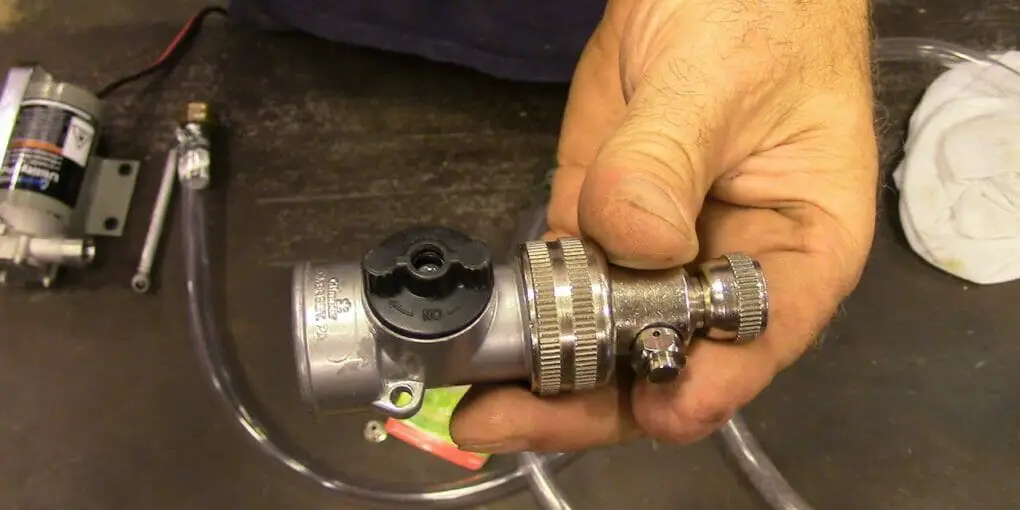
How to Load Tractor Tires With Fluid
Tractor tires are different from regular vehicle tires in a few ways. One way is that they are much larger, and can hold more weight. They also have a lot of tread on them, which helps to grip the ground and keep the tractor from slipping.
Another difference is that tractor tires need to be filled with fluid, rather than air. This helps to keep them from getting flat, and also makes them easier to drive on soft or uneven surfaces.
- Park the tractor on a level surface and set the parking brake
- Remove the cap from the fluid reservoir and fill it with the recommended amount of fluid
- Connect one end of the hose to the reservoir and the other end to the fill valve on the tire
- Open the valve and allow the fluid to flow into the tire until it reaches the desired level
- Close the valve and remove the hose from both ends
- Replace any caps that were removed during this process
Filling Tractor Tires with fluid FAST with no special tools or pumps
What Do You Load Tractor Tires With?
If you’re looking to add weight to your tractor tires, there are a few different options available. One popular option is to fill the tires with sand. This can be done by either pouring the sand directly into the tire, or by using a tube to funnel the sand into the tire.
Another option is to fill the tires with water. This is typically done by filling a tank with water and then attaching a hose to the tank and running it into the tire.
Should I Fill My Tractor Tires With Fluid?
If you’re like most farmers, you rely on your tractor to get a lot of work done. That’s why it’s important to make sure your tractor is in good working order, including the tires. You may be wondering if you should fill your tractor tires with fluid.
The answer is yes, you should fill your tractor tires with fluid. This will help keep them inflated and prevent them from going flat. It’s also a good idea to check the tire pressure regularly to make sure they’re still inflated properly.
How Do You Fill a Tractor Tire With Antifreeze?
Tractor tires are typically filled with a mixture of water and antifreeze, also known as engine coolant. The ratio of water to antifreeze varies depending on the climate, but is typically 50/50. In colder climates, a higher concentration of antifreeze is used to prevent the water from freezing.
To fill a tractor tire with antifreeze, first remove the valve cap and insert a funnel into the valve stem. Next, mix together the desired ratio of water and antifreeze. Pour the mixture into the funnel until the tire is full.
Finally, replace the valve cap and check for leaks.
Can You Fill Front Tractor Tires With Fluid?
Yes, you can fill front tractor tires with fluid. This is done by first attaching a hose to the tire valve and then slowly filling the tire with fluid. Once the tire is full, you will need to bleed off any excess air that is in the tire.

Credit: www.hobbyfarms.com
Tractor Tire Fluid Fill Kit
If you own a tractor, then you know how important it is to keep the tires in good condition. One way to do this is to regularly fill them with fluid. This can be a messy and time-consuming task, but it’s essential for maintaining your tractor’s tires.
A tractor tire fluid fill kit makes this job much easier. It includes everything you need to quickly and easily fill your tractor’s tires with fluid. The kit comes with a pump, hose, and nozzle, so you can simply attach it to the tire and start pumping.
This saves you time and effort, and ensures that your tractor’s tires are properly filled with fluid.If you’re looking for an easy way to keep your tractor’s tires in good condition, then a tractor tire fluid fill kit is a great option. It’s quick, easy to use, and will save you time and effort in the long run.
Best Liquid Ballast for Tractor Tires
If you’re looking for the best liquid ballast for tractor tires, look no further than Easy-Fill™ from Tractor Tire Supply. This product is specifically designed to provide optimal weight and balance for your tractor, which means improved traction, stability, and handling. Easy-Fill™ is made from a durable material that can withstand extreme temperatures and weather conditions, so you can be confident that it will perform in any situation.
Plus, the convenient pump dispenser makes it easy to apply the ballast exactly where you need it.
Antifreeze in Tractor Tires Chart
Most farmers are familiar with the benefits of adding antifreeze to their tractor tires. Antifreeze prevents freezing in cold weather and helps cool the tires in hot weather. But what many farmers don’t realize is that there is an optimum mix of antifreeze and water for maximum benefit.
This chart provides a handy reference for getting the perfect mix.
Conclusion
If you’re wondering how to load tractor tires with fluid, the process is actually quite simple. You’ll need a few supplies including a hand pump, a bucket, and some fluid. Once you have everything gathered, place the bucket under the tire and insert the hand pump into the fill hole.
Pump the fluid into the tire until it’s full – easy as that!
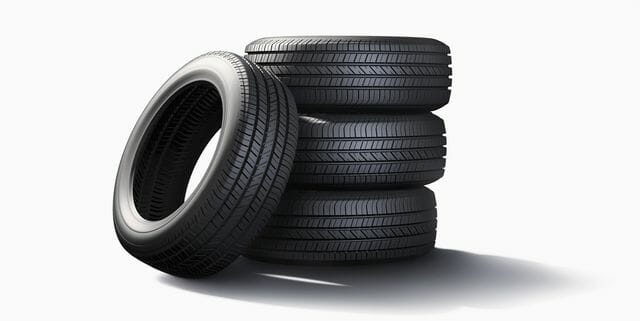
How to Choose Best Tires for My Car
The best tires for your car depend on a variety of factors, including the make and model of your vehicle, driving habits, and the type of roads you typically drive on. With so many options to choose from, it can be difficult to know where to start. Here are a few tips to help you choose the best tires for your car.
First, consider the make and model of your car. Some vehicles require specific types of tires in order to perform optimally. If you’re not sure what type of tire is best for your car, consult your owner’s manual or speak with a qualified automotive technician.
Next, think about your driving habits. Do you frequently drive on rough roads or in inclement weather? If so, you’ll need a tire that can withstand those conditions.
Conversely, if you mostly stick to smooth highways and city streets, you can opt for a less rugged tire.Finally, take into account the type of roads you typically drive on. If you live in an area with lots of potholes or other road hazards, look for a tire that’s designed to resist punctures and provide a smooth ride even over bumpy surfaces.
- There are a few things to consider when choosing the best tires for your car
- First, you need to know the size of your car’s wheels
- This information can be found in your car’s owner’s manual or on a placard on the driver’s side doorjamb
- Once you know the size of your wheels, you can narrow down your tire choices by selecting the right width, aspect ratio, and diameter
- The width is measured in millimeters (mm), and most passenger cars take tires between 185 mm and 255 mm wide
- The aspect ratio is the height of the tire sidewall as a percentage of the width, and most passenger car tires have an aspect ratio between 65% and 80%
- The diameter is measured in inches, and most passenger cars take tires between 14 inches and 18 inches in diameter
- In addition to knowing your wheel size, it’s also important to know how much weight your car typically carries so that you can choose a tire with the appropriate load rating
- The load rating is represented by a letter (from A to Z), with A being the lowest rating and Z being the highest rating
How To Choose The Right Tire Type | Tire Guide
How Do I Find the Right Tires for My Car?
When it comes to finding the right tires for your car, there are a few things you’ll need to take into account. First, you’ll need to know what size tires your car takes. This information can be found in your car’s owner’s manual or on the placard that is located on the driver’s side doorjamb.
Once you know what size tires you need, you can narrow down your search by choosing the type of tire that best suits your needs. For example, if you live in an area with lots of snow and ice, winter tires may be a good option for you. Or, if you’re looking for increased performance from your car, performance tires may be a better choice.
Whatever your needs may be, there are plenty of options available when it comes to choosing the right tires for your car.
Is It Better to Buy All 4 Tires at Once?
If you’re in need of new tires, you may be wondering if it’s better to buy all 4 at once or just replace the ones that are worn down. There are a few things to consider when making this decision.The first thing to think about is cost.
If you buy all 4 tires at once, you’ll likely get a discount compared to buying them individually. This is because most tire retailers offer a discount for buying multiple tires at once.Another thing to consider is the wear and tear on your tires.
If you only replace the 2 front tires, for example, the back ones will start to show more wear and tear since they’ll be carrying more weight. This can lead to uneven tire wear and decreased traction.If you live in an area with extreme weather conditions (heavy snow, rain, etc.), it’s also important to have all 4 tires be evenly matched in terms of tread depth and quality.
This will help ensure that your car performs well in all types of weather conditions.Overall, there are a few things to consider when deciding whether or not to buy all 4 tires at once. Ultimately, it comes down to personal preference and what makes the most financial sense for you.
What Numbers Matter When Buying Tires?
Buying tires is an important decision and one that should not be taken lightly. There are a few numbers that you need to take into consideration when making your purchase. Here is a look at what numbers matter when buying tires.
1. The first number is the width of the tire in millimeters. This is the measurement from sidewall to sidewall and will affect the overall contact patch of the tire with the road. A wider tire will have a larger contact patch and may provide better traction, but it will also be more expensive.
2. The second number is the aspect ratio or profile height. This is the height of the sidewall as a percentage of the width of the tire. A lower aspect ratio means a shorter sidewall, which can improve handling but may sacrifice some ride comfort.
3. The third number is the wheel diameter in inches. This needs to match up with your vehicle’s wheels and cannot be changed without also changing wheels.4. The fourth number is known as load index or load rating, and it corresponds to how much weight each tire can support safely.
This number can range from 61-125, with higher numbers indicating a higher weight capacity for each tire.. Always choose tires with a load index that meets or exceeds your vehicle’s recommendations
5..The fifth number is speed rating or “speed symbol.” This indicates how fast you can go on these tires before they start to break down structurally .
Speed ratings range from L (75 mph) all the way up to Y (186+ mph).
Which Tire is Best Quality?
There are a few things to consider when purchasing tires. The first is what type of vehicle you have. A sedan will require different tires than an SUV, for example.
The second is the driving conditions you’ll be facing most often. If you live in a cold climate, you’ll need winter-specific tires. Third, and perhaps most importantly, is the price.
Tires can range from $50 to $500 each, so it’s important to find something that fits your budget.So, which tire is best quality? It really depends on your needs and preferences.
However, we would recommend doing some research on different brands and types of tires before making a purchase. You can read reviews online or speak to a knowledgeable salesperson at a tire store. Once you’ve narrowed down your options, make sure to compare prices before making a final decision.

Credit: www.arrowwoodauto.com
Types of Tires
There are many different types of tires on the market, and each type has its own advantages and disadvantages. Here is a brief overview of some of the most popular types of tires:All-Season Tires: All-season tires are designed to provide good traction and comfort in a variety of conditions, including dry pavement, wet pavement, and even light snow.
They are a good choice for drivers who don’t want to have to change their tires every time the weather changes. However, all-season tires can’t handle extreme conditions like deep snow or ice.Winter Tires: Winter tires are specifically designed for use in cold weather and snowy conditions.
They have a deeper tread than all-season tires, which gives them better traction on icy roads. Winter tires also stay softer in cold temperatures, which helps them grip the road better. However, winter tires aren’t as good on dry roads as all-season tires, so they’re not a good choice if you live in an area with mild winters.
Performance Tires: Performance tires are designed for high-speed driving and cornering. They have a very hard compound that provides excellent grip on dry roads but can wear out quickly if used too much on rough roads or in hot weather.
Best Tires for City Driving
City driving can be tough on your tires. The constant stop-and-go traffic, potholes, and other obstacles can wear down even the best tires over time. When it’s time to replace your tires, you’ll want to choose a set that can handle the challenges of city driving.
Here are some of the best tires for city driving:1. Continental ExtremeContact DWS06 TiresIf you’re looking for all-season performance in a tire designed for city driving, look no further than the Continental ExtremeContact DWS06.
These tires offer excellent traction and handling in both dry and wet conditions, making them ideal for year-round use. They’re also built to withstand the rigors of city driving, with reinforced sidewalls that help resist punctures and other damage.2. Michelin Pilot Sport A/S 3+ Tires
Michelin’s Pilot Sport A/S 3+ tires are another great option for city driving. Like the Continentals, they offer excellent all-season performance thanks to their unique tread design. They’re also very durable, with Michelin’s patented MaxTouch Construction providing added strength at key points on the tire.
This helps extend their lifespan even further, making them a great choice for those who want to get the most out of their tires.3. Pirelli Cinturato P7 All Season Plus TiresFor drivers who prioritize fuel economy, the Pirelli Cinturato P7 All Season Plus is an excellent choice.
These low rolling resistance tires help improve gas mileage by reducing energy loss as they roll down the road. They also provide good traction and handling in both dry and wet conditions, making them a good all-around option for city driving.
What Kind of Tires Do I Need
If you’re like most drivers, you don’t think much about your tires. But they’re actually one of the most important parts of your car. The right set of tires can help improve your gas mileage, make your car handle better, and keep you safe on the road.
So how do you know which tires are right for your car?There are four main types of tires: all-season, winter, performance, and off-road. All-season tires are the most common type.
They’re designed to provide good grip and traction in a variety of conditions, including wet weather and light snow. Winter tires are designed for use in cold weather and heavy snow. They have a deeper tread than all-season tires, which helps them grip the road better in slippery conditions.
Performance tires are designed for use on high-performance cars. They offer better handling and grip than other types of tires, but they wear out more quickly. Off-road tires are designed for use on rough terrain, like dirt roads or trails.
They have a deep tread that helps protect against rocks and other debris.Now that you know the different types of tire available ,you need to consider what kind best suits your vehicle .For example if you frequently drive in rain or snow then all season or winter tyres would be best as they provide good road grip .
However if its dry conditions you mostly encounter then summer tyres would work fine and be cheaper too . There’s no hard and fast rule here so it really comes down to personal preference after taking into account cost , durability etc . You should also consider getting two sets of tyres – one for summer (or all season)and another for winter as this will give optimal performance throughout the year whatever the weather throws at you!
Conclusion
Choosing the best tires for your car can be a daunting task, but it doesn’t have to be! There are a few things you need to keep in mind when choosing tires for your car. First, you need to know the size of the tires that will fit your car.
Second, you need to decide on the type of tire you want. Third, you need to consider the climate where you’ll be driving. And fourth, you need to think about your budget.
With these factors in mind, let’s take a look at some of the best tires for your car!
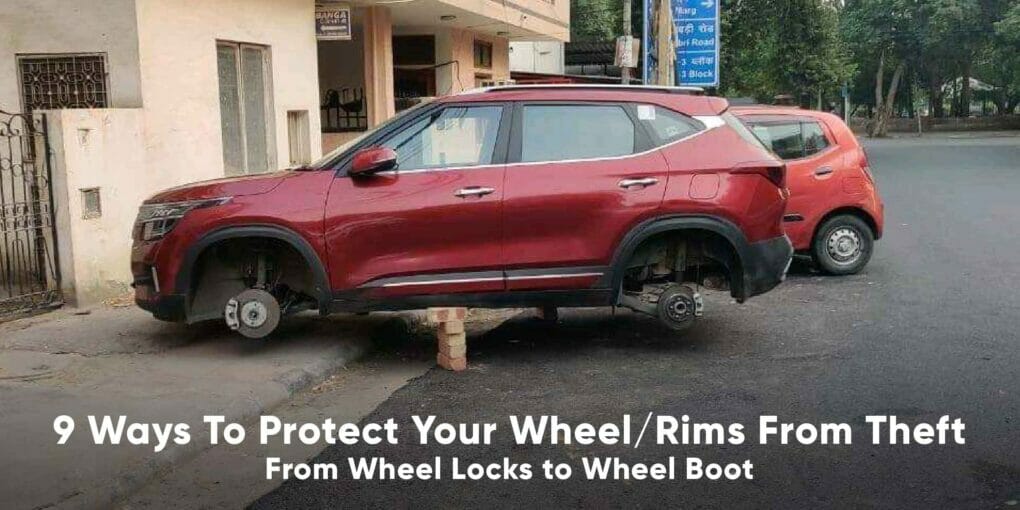
How to Protect Car Tires from Theft
Car tires are one of the most commonly stolen items from vehicles. There are a few simple things you can do to protect your car tires from theft. First, park in a well-lit area.
This will deter would-be thieves from targeting your vehicle. Second, use a tire lock when parking your car. A tire lock is a device that goes around the tire and locks it in place.
This makes it much more difficult for thieves to remove the tire from your vehicle. Third, consider using an anti-theft device on your car. This will make it more difficult for thieves to steal your car tires or any other parts of your vehicle.
By taking these simple precautions, you can help protect your car tires from theft.
- Keep your car in a garage or parking spot that is well-lit and visible to passersby
- If you must park on the street, choose a spot near a busy intersection or under a street light
- Always lock your car doors and close all windows, even if you’re just running into the store for a minute
- Never leave valuables in plain view inside your car
- Put them in the trunk or cover them with a blanket before you get out of the vehicle
- Be aware of your surroundings when approaching and entering your car, especially at night
- If you see anything suspicious, do not approach your car and call the police instead
HOW TO KEEP YOUR WHEELS SAFE FROM THEFT **MUST WATCH**
How Can I Prevent My Tires from Being Stolen?
One of the most common types of auto thefts is tire and rim theft. This crime is usually committed in one of two ways: either the thief simply removes the tires and rims from your car while it’s parked, or they steal your entire car in order to strip it for parts. Either way, it’s a costly and frustrating experience.
There are a few things you can do to help prevent your tires and rims from being stolen:1. Park in a well-lit, busy area whenever possible. Thieves are less likely to target a car that’s in plain view.
2. If you have to park on the street, choose a spot near a police station or fire hydrant. Again, thieves are less likely to target a car that’s in close proximity to law enforcement.3. Invest in wheel locks and use them every time you park your car.
Wheel locks make it much harder for thieves to remove your tires and rims without being noticed.4. Consider installing an anti-theft system in your vehicle. Many systems will sound an alarm if someone tries to tamper with your car, which can deter thieves and even lead to their arrest if they don’t flee the scene immediately.
Do Wheel Locks Prevent Tire Theft?
Wheel locks are devices that are used to prevent tires from being stolen. They work by locking the wheel to the axle, making it difficult for the tire to be removed. There are a variety of different types of wheel locks, but they all serve the same purpose.
Most wheel locks are made from steel or another strong metal, and they can be very effective at deterring thieves. However, no device is 100% secure and there is always a risk that a determined thief could still manage to steal your tires. The best way to protect your tires is to use multiple layers of security, such as a wheel lock in conjunction with an alarm system or GPS tracker.
Do Thieves Steal Tires?
Yes, thieves do steal tires. In fact, tire theft is one of the most common types of vehicle theft. Thieves will often target vehicles that have easy-to-remove wheels and tires.
How Can I Protect My Wheels?
Your wheels are one of the most important parts of your car, so it’s important to keep them in good condition. Here are a few tips on how to protect your wheels:1. Keep them clean – Regularly cleaning your wheels will help to prevent dirt and brake dust from building up and causing damage.
Use a mild soap and water solution to clean them, then dry with a soft cloth.2. Protect them from the elements – If you live in an area with harsh winters, it’s especially important to protect your wheels from salt and other chemicals that can cause corrosion. You can buy special wheel covers or waxes that will create a barrier against these elements.
3. Be careful when driving – Avoid hitting curbs or potholes whenever possible, as this can cause damage to your wheels. Also, don’t overload your car with heavy items as this put unnecessary strain on the wheels.

Credit: www.youtube.com
Most Stolen Wheels And Tires
Most Stolen Wheels And TiresIt’s no secret that wheels and tires are some of the most popular items among car thieves. In fact, according to the National Insurance Crime Bureau (NICB), over 50% of all vehicle thefts involve the theft of wheels and/or tires.
The NICB also reports that the average cost of replacing stolen wheels and tires is just over $4,000.There are a number of reasons why wheels and tires are so popular among thieves. First, they can be easily removed from a vehicle without too much effort or damage.
Second, they are relatively small and easy to transport – making them easy to sell on the black market. Finally, many people don’t realize that their insurance policy may not cover the cost of replacing stolen wheels and tires.So what can you do to protect your wheels and tires from being stolen?
The best defense is a good offense – in other words, make it as difficult as possible for thieves to steal your wheels and tires in the first place. Here are some tips:-Park in well-lit areas whenever possible.
Thieves are less likely to target a vehicle that is in plain view.-Use wheel locks when parking your vehicle for extended periods of time (overnight, at work, etc.). Wheel locks make it much more difficult for thieves to remove your wheels without being noticed.
What to Do When Your Tires are Stolen
It’s a sad reality, but car tires are often stolen. This can be a costly and frustrating experience, especially if you rely on your vehicle to get around. Here are some things to do if your tires are stolen:
1. Report the theft to the police. This is important for insurance purposes and to help deter future crime.2. Contact your insurance company.
Some policies cover tire theft, so it’s worth checking into.3. Get new tires as soon as possible. This may mean going to a tire store or dealership, or even ordering them online or over the phone.
Be sure to have the make, model, and size of your tires ready so you can get an exact match.4. Install anti-theft devices on your vehicle. This can help protect your tires (and other belongings) in the future by making it more difficult for thieves to steal them.
Car Tire Alarm
If you have a car, then you know how important it is to keep your tires in good condition. After all, they are what keep your car moving forward! But did you know that there is such a thing as a tire alarm?
A tire alarm is a device that helps to alert you when one of your tires is low on air. It can be very useful, especially if you are driving long distances. Here’s how it works:
The device is attached to your car’s tire valve. Once thedevice detects that the tire pressure is low, it will emit a loud sound or flash a bright light. This way, you can easily spot the problem and take care of it before it becomes too dangerous.
Tire alarms are relatively inexpensive and can be found at most auto parts stores. So if you’re looking for an easy way to help keep your car’s tires in top condition, consider investing in a tire alarm!
Conclusion
Your car’s tires are one of the most important parts of your vehicle, and they’re also one of the most vulnerable to theft. There are a few simple things you can do to protect your tires from thieves, though, and this blog post will tell you how.First, always park in a well-lit area.
This will deter would-be thieves from targeting your car in the first place.Second, invest in a tire lock. These devices attach to your tire and make it much more difficult for a thief to remove it.
Finally, consider using an anti-theft device on your car itself. This will make it harder for a thief to access your tires even if they do manage to get into your car.
How Much Does It Cost to Sipe Tires
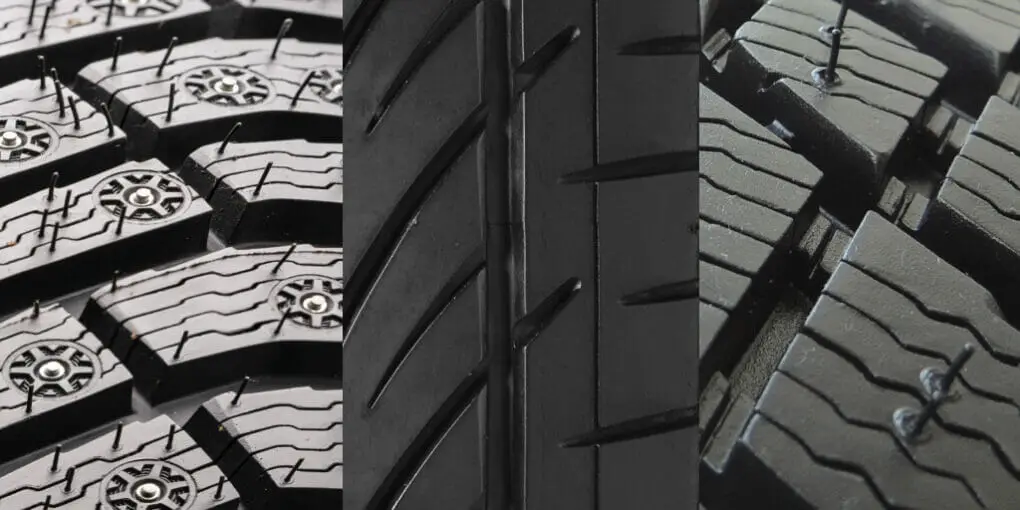
Siping tires is a process of cutting slits into the treads of your tires in order to improve traction, handling, and braking. Siping can be done at home with a few simple tools, but it’s best left to the professionals. The cost of sipping tires varies depending on the size and type of tire, but it typically ranges from $30 to $100 per tire.
How Much Does It Cost to Sipe Tires?Siping tires can extend the life of your tires and improve traction, but it does come at a cost. Here’s a breakdown of what you can expect to pay to have your tires siped.
Tire sipes are thin slits cut into the tire tread that help improve traction, especially in wet or icy conditions. They also help to reduce hydroplaning and can even improve fuel economy. While all of these benefits are great, they do come at a cost.
The average price to have four tires siped is between $40 and $50. This price will vary depending on the size and type of tire as well as the shop you take them to. Some shops may charge more for specialty tires or if they have to dismount and mount the tires again after sipping them.
If you plan on doing the work yourself, you’ll need to purchase a tire siper which typically costs around $30. You’ll also need some replacement blades which will add another $10-$20 to the total cost. So all in all, expect to pay around $70-$100 to have your own tires siped.
TIRE SIPING REVIEW
Is It Worth It to Sipe Tires?
There are a few things to consider when trying to determine if it is worth siping your tires. The first is the type of vehicle you have. A truck or SUV will generally benefit more from siping than a smaller car.
This is due to the fact that they typically carry more weight and therefore can get better traction with deeper treads. Siping can also be helpful in improving the handling of a vehicle, particularly in wet or icy conditions.Another thing to keep in mind is the condition of your existing tires.
If they are already worn down, siping may not do much to improve their performance. In fact, it could potentially make them worse. It is generally best to only consider siping new or nearly new tires.
Finally, you need to decide if the benefits of siping are worth the cost. Siping tires can range anywhere from $20-$100 per tire, depending on how many treads you have cut and where you have them done. If you think improved traction and handling are worth the price tag, then go ahead and get your tires sipped!
What is the Disadvantage of Tire Siping?
Tire siping is the process of cutting thin slits into the tread of a tire. This is done in order to improve traction, especially in wet or icy conditions. However, there are some disadvantages to tire siping.
One disadvantage is that it can reduce the life of a tire. The cuts made in the tread can act as weak points and cause the tire to wear out faster than if it had not been siped. Additionally, siping can also decrease fuel efficiency due to increased rolling resistance.
Another potential downside of tire siping is that it may not be effective in all situations. For example, if a tire is already bald or has very little tread remaining, siping will not do much to improve its traction. In fact, in some cases, it may even make matters worse by further weakening the tire.
Overall, while tire siping can offer some benefits, there are also some potential drawbacks to consider before having this procedure done to your tires.
Can You Add Siping to Tires?
Yes, you can add siping to tires. Siping is a process of cutting thin slits into the tread of a tire, which can help improve traction in certain conditions. It’s most commonly used on winter tires, as it can help provide better grip on icy or snowy surfaces.
Is Tire Siping Safe?
Tire siping is the process of cutting thin slits into the tread of a tire. The purpose of tire siping is to improve traction in wet or icy conditions by increasing the number of edges that come into contact with the road surface. Tire siping is also said to improve ride quality and fuel economy.
There is some debate over whether or not tire siping is safe, as it can potentially weaken the structure of the tire and make it more susceptible to punctures. However, many experts believe that when done correctly, tire siping does not pose a significant safety risk.

Credit: www.motortrend.com
How to Sipe Tires
Siping tires is a process of making small cuts in the tread of a tire to improve traction. The cuts allow the tire to grip the road better, particularly in wet or icy conditions. Siping can be done at home with a utility knife, but it’s best to have it done professionally.
Downsides of Siping Tires
Siping tires has been a hot topic in the automotive world for years now. Some say it’s the best thing since sliced bread, while others claim it does more harm than good. So, what’s the verdict?
Let’s take a closer look at the pros and cons of siping tires.On the plus side, siping can help improve traction on wet or icy roads. It can also help reduce tire noise and improve fuel economy.
However, there are some potential downsides to consider as well.For starters, siping can shorten the overall lifespan of your tires. Additionally, it can weaken the structure of the tire, making it more susceptible to punctures and other damage.
And finally, siping may not be compatible with all tire types – so be sure to do your research before you have it done!
Sipe Tires Good Or Bad
When it comes to tires, there are a lot of options out there. But if you’re looking for a reliable, affordable tire, Sipe might be the way to go. Sipe has been making tires since the early 1900s, and they’ve become a trusted name in the industry.
But what makes Sipe tires so good? For starters, they use high-quality materials and construction methods. This ensures that their tires are built to last and can handle even the toughest driving conditions.
Additionally, Sipe employs rigorous testing standards to ensure that their products meet or exceed customer expectations.So if you’re in the market for a new set of tires, consider giving Sipe a try. You won’t be disappointed with their quality or performance.
Conclusion
It is often said that the best way to improve your fuel economy is to ensure your tires are properly inflated. This can be done by “siping” your tires. Siping involves cutting small slits into the tread of your tires in order to increase traction and improve fuel economy.
But how much does it cost to siping tires?The answer, unfortunately, is not a simple one. The cost of sipping tires will vary depending on the size and type of tire you have, as well as the number of treads you need to be cut.
Typically, however, the cost of sipping four tires will range from $100 to $200.