
- Home
- Archive: September, 2023
How to Measure Aspect Ratio Tire
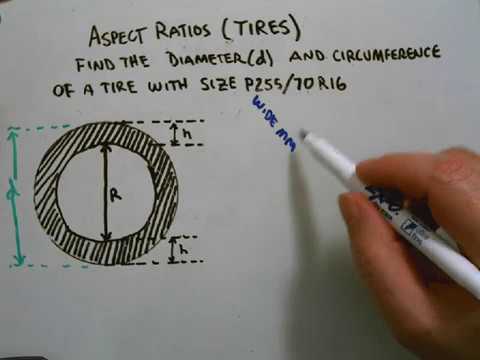
To measure the aspect ratio of a tire, you will need to know the width of the tire and the height of the sidewall. The aspect ratio is simply the sidewall height divided by the width of the tire. For example, if a tire has a width of 205 and a sidewall height of 60, then its aspect ratio would be 60/205 or 29%.
Aspect Ratios in Tires
- The first step is to find the width of the tire
- This can be done by measuring the distance between the sidewalls of the tire
- The next step is to find the height of the tire
- This can be done by measuring from the top of the tread to the bottom of the sidewall
- To calculate aspect ratio, divide the height measurement by the width measurement
- For example, if a tire has a width of 10 inches and a height of 30 inches, its aspect ratio would be 3 (30 divided by 10)
What is the Aspect Ratio of a Tire
The aspect ratio of a tire is the height of the sidewall, expressed as a percentage of the width of the tire. In other words, it’s the ratio of the distance from the edge of the wheel to the top of the tire (the “height”) to the width of the tire.A lower aspect ratio means a taller sidewall and a wider tire.
A higher aspect ratio means a shorter sidewall and a narrower tire. The aspect ratio affects both the ride comfort and handling characteristics of a vehicle.Vehicles with low-profile tires have less cushioning between the road and wheel rim, so they tend to have firmer rides and better handling but are more susceptible to damage from potholes or curbs.
High-profile tires have more cushioning and provide a smoother ride but may not handle as well in corners or on rough roads.
How to Read Tire Sizes in Inches
When it comes to reading tire sizes, most people just look at the big number and think that’s all there is to it. But there’s actually a lot of information contained in those numbers and letters on the side of your tire. Here’s a quick guide to help you understand what all those numbers and letters mean:
The first thing you’ll see is a series of numbers, such as “P215/65R15.” The “P” indicates that this is a passenger car tire; if it were for a light truck, SUV, or commercial vehicle, it would say “LT” instead. The next number is the width of the tire in millimeters; in this case, 215 mm.
The next number is the aspect ratio, which is the height of the sidewall expressed as a percentage of the width. In this case, 65% means that the sidewall is 145 mm tall (215 x 0.65 = 140.75). The final letter(s) indicate the type of construction and diameter of wheel that this tire can be used with; in this case “R” means radial construction and 15″ wheels.
Now that you know how to read them, take a look at your tires and see what information they have to tell you!
How to Read Truck Tire Size
Truck tires come in a variety of sizes, and each size has its own meaning. To read truck tire size, you need to know the width, height, load index, speed rating, and ply rating. These numbers all provide important information about the tire that can help you choose the right one for your truck.
Width: The width of a truck tire is measured in inches from sidewall to sidewall. The wider the tire, the better it will grip the road and the more stability it will have. However, wider tires also tend to be more expensive.
Height: The height of a truck tire is measured as a percentage of its width. A taller tire will have a higher aspect ratio and will be able to hold more weight than a shorter tire. Taller tires also provide better handling on rough roads.
Load Index: The load index is a number that represents how much weight the tire can safely carry. The higher the number, the more weight the tire can handle. You’ll need to know your truck’s maximum payload capacity to choose the right load index for your needs.
Speed Rating: The speed rating tells you how fast you can go without damaging your tires. The ratings range from “A” (the lowest) to “Y” (the highest). If you rarely drive over 55 mph, you can save money by choosing a lower speed rating.
How to Measure Tire Height
If you’re a car enthusiast, then you know that one of the most important aspects of your vehicle is the tires. Not only do they provide traction and grip while driving, but they also play a big role in fuel efficiency and overall performance. That’s why it’s important to make sure your tires are always in good condition and properly inflated.
One way to do this is to measure the tire height. This may seem like a daunting task, but it’s actually pretty simple. All you need is a tape measure and a level surface.
First, find a level spot on the ground next to your car. Then, place the tape measure at the bottom edge of the tire tread and measure up to the top of the tire (including any raised letters or numbers). Make sure to write down this measurement so you can compare it later.
Now repeat this process for all four tires. Once you have all four measurements, it’s time to average them out. This will give you an accurate representation of your tire height.
Keep in mind that different types of tires will have different ideal heights. For example, low-profile tires are designed to be shorter than standard ones. So if you’re not sure what height your tires should be, consult your owner’s manual or ask a professional for help.
Find My Tire Size by Vin Number
If you’re looking to find your tire size by VIN number, there are a few things you’ll need to know. First, locate your VIN number on your vehicle. It should be located on the driver’s side of the dash, near where the windshield meets thedashboard.
If you can’t find it there, it may also be located on your vehicle registration or insurance card.Once you have your VIN number, visit TireSize.com and enter it into the “Find my Tire Size” tool. This will generate a list of possible tire sizes for your vehicle.
Once you have that information, consult your vehicle’s owner manual to confirm which size is recommended for your specific model.If you’re still having trouble finding the right size, don’t hesitate to reach out to a professional at a nearby tire shop. They’ll be able to help you get the perfect fit for your car, truck or SUV!

Credit: www.wikihow.com
How Do I Know the Aspect Ratio of My Car?
If you’re not sure what aspect ratio is, it’s simply the width of your car’s tires divided by the height. To figure out the aspect ratio of your car, you’ll first need to know the width of your tires. You can typically find this information on the side of your tire or in your car’s owner’s manual.
Once you have the width, simply divide it by the height to get the aspect ratio. For example, if your tires are 8 inches wide and 2 inches tall, then your aspect ratio would be 4 (8 divided by 2).
How Do You Measure Tire Sizes?
Tire sizes are measured in two ways. The first is by the width of the tire. This is the measurement from one sidewall to the other, and it’s usually expressed in millimeters.
The second way to measure tire size is by the diameter of the wheel that it’s designed to fit. This is expressed in inches.To figure out what size tires you need, you’ll need to know both the width and diameter of your wheels.
Once you have those measurements, you can consult a tire size chart to find tires that will fit your wheels.When shopping for tires, you’ll also come across load index and speed rating numbers. These are important factors to consider as well, but they’re not part of tire sizing.
Load index is a number that corresponds to the maximum weight that a tire can support when properly inflated. Speed rating is a number that indicates how fast a tire can go without losing its grip on the road surface.
Can I Change the Aspect Ratio on My Tires?
Most people don’t know that they can change the aspect ratio on their tires. The aspect ratio is the width of the tire divided by the height of the tire. It’s usually expressed as a percentage.
For example, if your tire has an aspect ratio of 50%, that means that it’s 50% as wide as it is tall.You can usually find the aspect ratio on the sidewall of your tire, next to the width. It will look something like this: P215/50R17 91V.
The “50” in this example is the aspect ratio.Why would you want to change your tires’ aspect ratios? There are a few reasons:
1) To improve performance. A lower aspect ratio (40-50%) will give you better handling and traction, since there’s less rubber touching the ground. This is why most race cars have low-profile tires.
Conversely, a higher aspect ration (60-80%) provides a smoother ride and better resistance to potholes and other road hazards, since there’s more rubber cushioning them.
2) To change the look of your car. A lower aspect ratio makes your car look sportier, while a higher one gives it a more luxurious appearance.
Of course, this is entirely subjective!
3) To fit wider or narrower wheels. If you want to put wider wheels on your car, you’ll need to lower the Aspect Ratio so that they fit within the wheel well without rubbing against suspension components or bodywork .
On the other hand, if you want narrower wheels for off-road driving or winter weather conditions, you’ll need to raisethe Aspect Ratio accordingly .Ultimately, whether or not you should change your tires’ Aspect Ratio depends on what you plan to use your vehicle for . If you’re mostly concerned with looks , then go ahead and experiment until you find a look that suits you . But if performance is more important , make sureyou consult witha qualified professional before making any changes , soyou don’t end up damaging your caror compromising safety .
Conclusion
Tires come in all shapes and sizes, but most can be classified by their aspect ratio. The aspect ratio is the height of the tire’s sidewall expressed as a percentage of the width. In other words, it’s how tall your tire is compared to how wide it is.
A 50-series tire, for example, is 50 percent as tall as it is wide.Aspect ratios have a big effect on a tire’s performance. Taller tires (higher aspect ratios) are better suited for off-road use because they provide more ground clearance and allow for lower air pressure without damaging the wheel or rim.
They’re also more comfortable on bumpy roads because they absorb impact better than shorter tires do. Shorter tires (lower aspect ratios), on the other hand, are better for high-speed driving because they offer less rolling resistance and improve fuel economy. They’re also less likely to be damaged by road debris since there’s less sidewall to flex or bulge outward when hit.
To measure your own tires’ aspect ratio, start by finding the width of the tire in millimeters using a tape measure or ruler. Then, divide that number by 25 to get the width in inches (1 inch = 25mm). Next, find the height of the sidewall using a similar method – measure from the edge of the wheel to where the tread meets the sidewall and multiply that number by 2 (since both sides of the tire need to be measured).
Finally, divide that number by 25 again to get the height in inches. To get your aspect ratio, simply divide your Sidewall Height Inches by your Width Inches – so if your sidewallheight is 3 inches and your widthis 6 inches, you have a 50-series tire!
When Do Snow Tires Come off
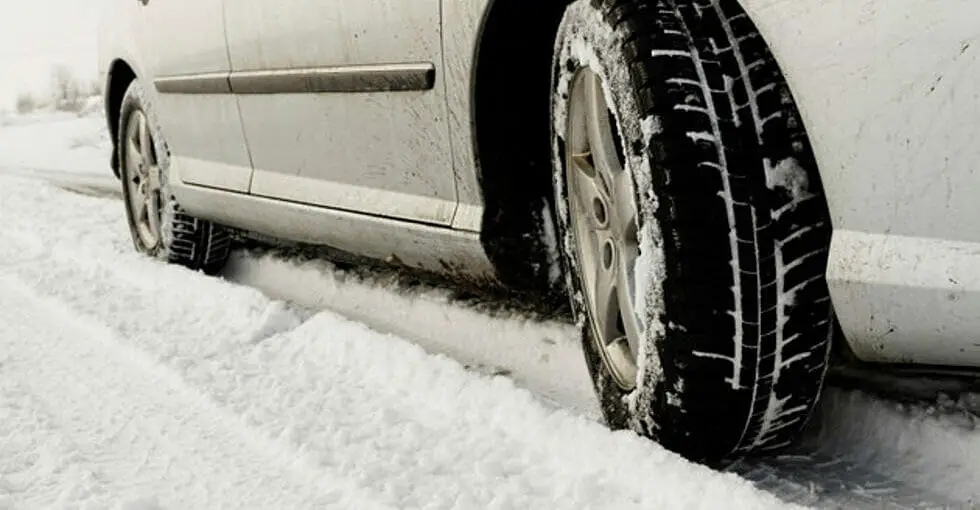
It’s that time of year again when the snow starts to melt and the days get longer and warmer. For many people, this is the time to start thinking about taking off their snow tires. But when is the right time to take them off?
When Do Snow Tires Come Off?It’s that time of year again where the snow is melting and the roads are starting to clear. So, when do you take your snow tires off?
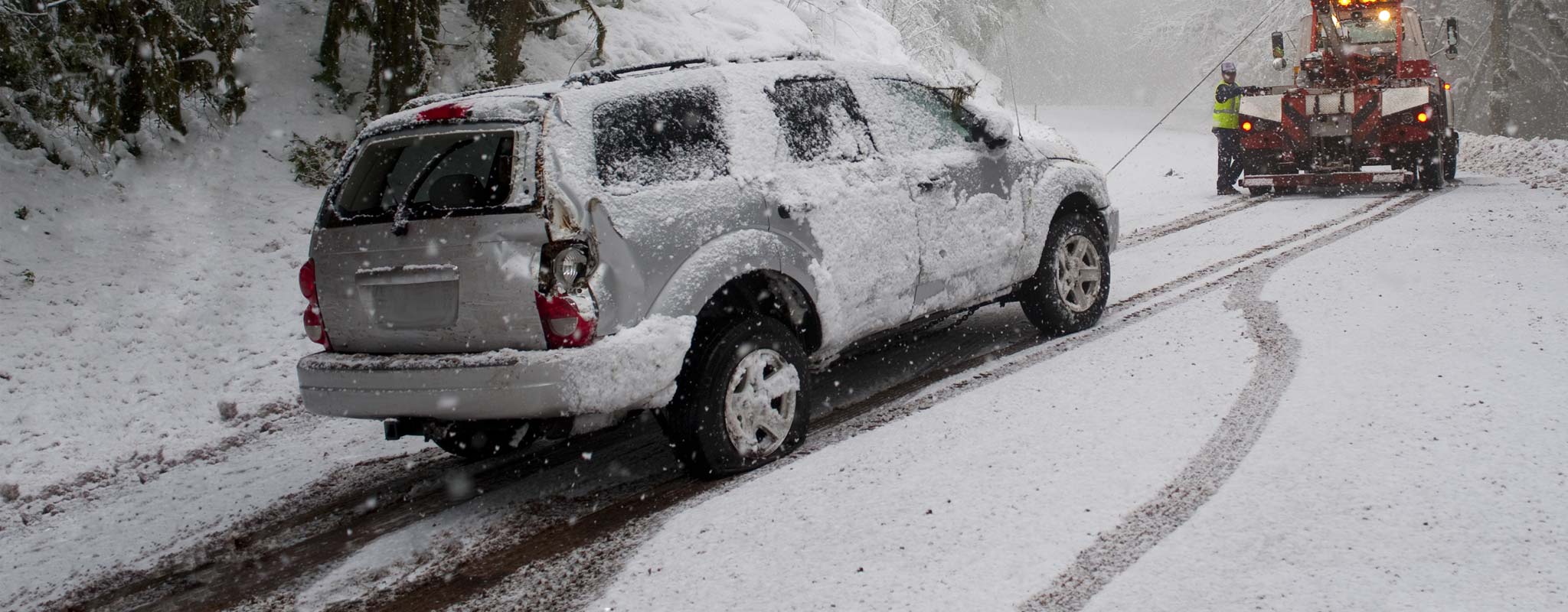
Here are a few things to keep in mind:1. Check your local laws – In some states and provinces, it is actually illegal to drive with snow tires after a certain date. Be sure to check the regulations in your area so you don’t get fined.
2. Consider the weather – Even if it’s not technically “spring” yet, if the temperatures have been consistently above freezing and there hasn’t been any new snowfall for a while, it’s probably safe to switch back to regular tires.3. Listen to your car – Your car will likely feel different with snow tires on dry pavement. If you’re starting to notice excessive tire noise or vibration, it’s probably time to make the switch.
4. Inspect your tires – Take a close look at your snow tires for any signs of wear and tear. If they’re starting to show bald spots or cracks, it’s definitely time for new ones.
Credit: www.lesschwab.com
When Should I Change from Winter to Summer Tires?
The time to switch from winter to summer tires depends on the temperature. As a general rule of thumb, when the average daily temperatures consistently remain above 7°C, it’s time to make the change.Of course, this is just a guideline and there are other factors you need to consider as well.
If you live in an area where there can be sudden temperature changes – like in the mountains – then you may want to wait until the temperatures are more consistently warm before making the switch. The same goes for if you live somewhere with lots of rain; even if it’s not particularly cold, winter tires will provide better grip and traction in wet conditions.If you’re unsure whether it’s time to change your tires, consult your owner’s manual or ask a professional at your local tire shop or dealership.
They can help you make the best decision for your specific vehicle and driving needs.
When Can You Remove Winter Tires in Ontario?
In Ontario, you can remove your winter tires when the average daily temperature is above 7°C.
How Can You Tell If Winter Tires are Worn Out?
When it comes to winter tires, there are a few things you can look for to tell if they’re worn out. One is the tread depth. Winter tires should have a minimum tread depth of 6/32 inch (4.8mm).
You can check the tread depth by inserting a quarter into the tire’s tread grooves. If the top of Washington’s head is visible, your tread depth is 6/32 inch (4.8mm) or more and the tire is fine. If not, it’s time for new tires.
Another way to tell if winter tires are worn out is by their appearance. Look for cracks, splits, or bald spots on the tire. These are all signs that the tire is no longer in good condition and needs to be replaced.
If you’re unsure whether or not your winter tires are still good, it’s always best to err on the side of caution and get new ones. After all, winter driving can be treacherous and you want to make sure you have the best possible traction and grip on ice and snow-covered roads.
Can You Drive Snow Tires in the Summer?
It’s not recommended to drive snow tires in the summer. The rubber compound in snow tires is designed for colder temperatures and will harden when exposed to warmer temperatures. This can lead to decreased traction and increased wear on the tires.
What you need to know about winter tires
When Do Snow Tires Have to Be off in Maine
When do snow tires have to be off in Maine? It’s a common question with no easy answer. The truth is, there is no set date or law dictating when you must remove your snow tires in Maine.
However, most tire dealers and auto mechanics recommend removing them by mid-April. This gives your vehicle a chance to adjust to the warmer weather and dryer roads before the summer driving season begins. If you’re unsure about when to take your snow tires off, it’s always best to err on the side of caution and remove them sooner rather than later.
When Do Snow Tires Have to Be off in Washington State
When do snow tires have to be off in Washington State? It depends on the county, but most counties require that drivers use studded tires from October 1st through April 30th.
How Long Can You Drive on Winter Tires in the Summer
If you’ve ever wondered how long you can drive on winter tires in the summer, wonder no more! We have the answer.It’s generally recommended that you don’t use winter tires in the summer because they are not as effective in warm weather.
Winter tires are made of a softer compound that is designed to grip icy and snow-covered roads. When the temperatures rise, this compound can wear down quickly, affecting your traction and braking.So, how long can you safely drive on winter tires in the summer?
It depends on a few factors, such as the temperature and whether you’re driving on dry or wet roads. In general, though, most experts say it’s best to switch back to all-season or summer tires when temperatures consistently reach 7°C (45°F) or higher.Of course, if you live in an area with mild winters, you might be able to get away with using your winter tires year-round.
Just be sure to check their condition regularly and replace them when necessary.
When to Change Snow Tires in Spring
It’s that time of year again! The snow is melting and the roads are clear. You may be wondering, “When should I change my snow tires back to regular tires?”
Here are a few things to consider:-The temperatures: In general, you can switch your tires when daytime temperatures consistently stay above freezing. So, if it’s still cold in the morning but warms up during the day, you’re probably okay to wait a bit longer.
But if it’s warm all day long, go ahead and make the switch.-The condition of the roads: Take a look at the roads in your area. If they’re mostly clear with just a few patches of snow or ice here and there, you can probably get by with regular tires.
But if the roads are still covered in snow and ice, it’s best to stick with your snow tires for now.-Your driving habits: If you’re an aggressive driver who likes to push your car to its limits, you might want to keep your snow tires on for a bit longer. They provide better traction and stability in slippery conditions.
But if you’re a more cautious driver who takes it easy on the roads, regular tires will be fine.So when should you make the switch? It really depends on factors like temperature, road conditions, and driving habits.
In general, though, most people switch their snow tires back to regular tires sometime in April or May.
Conclusion
It’s that time of year again when the snow is melting and the roads are clear. You may be wondering, “When do snow tires come off?” The answer is not as simple as you might think.
Here are a few things to consider when making the decision to switch back to your regular tires.
How Do You Check Tread Depth on Tires
If you’re like most people, you probably don’t think about your tires until there’s a problem. But if you want to avoid being stranded on the side of the road or worse, getting into an accident, it’s important to regularly check your tire tread depth.
How to Check Your Tire Tread Depth with a Gauge or a Penny
Tread depth is an important factor in tire safety and performance. It’s the distance from the top of the tread to the bottom of the deepest groove, and it helps indicate how much life is left in a tire. Checking tread depth is easy to do with a few simple tools.
First, you’ll need a ruler or a tread depth gauge. If using a ruler, place it perpendicular to the tire’s tread at the point where the tread meets the sidewall. Then, look at the markings on the ruler to see how deep the tread is.
For example, if your ruler has inch markings and your tire’s tread measures 3/4 inch deep, then your tread depth is 6/32nds of an inch.If you’re using a tread depth gauge, simply insert it into the deepest groove of the tire’s tread and read off the measurement. Most gauges have both metric (mm) and English (inch) readings.
As a general rule of thumb, tires should be replaced when they reach 4/32nds of an inch remaining tread depth. This can vary depending on driving conditions and habits (e.g., off-road vs highway), so it’s always best to consult your owner’s manual or with a qualified technician before making any decisions about replacing your tires.
How to Measure Tread Depth Without a Gauge
One of the most important aspects of maintaining your car is making sure that your tires have enough tread. Tread depth is the measurement of how much rubber is left on your tire, and it’s important to keep an eye on it because when it gets too low, your traction and braking ability are compromised. The legal limit for tread depth in most states is 2/32″, but many experts recommend replacing your tires when they get down to 4/32″.
There are a few different ways that you can measure tread depth. The easiest way is to use a tread depth gauge, which you can buy at most auto parts stores. But if you don’t have one handy, there are a couple other ways to do it.
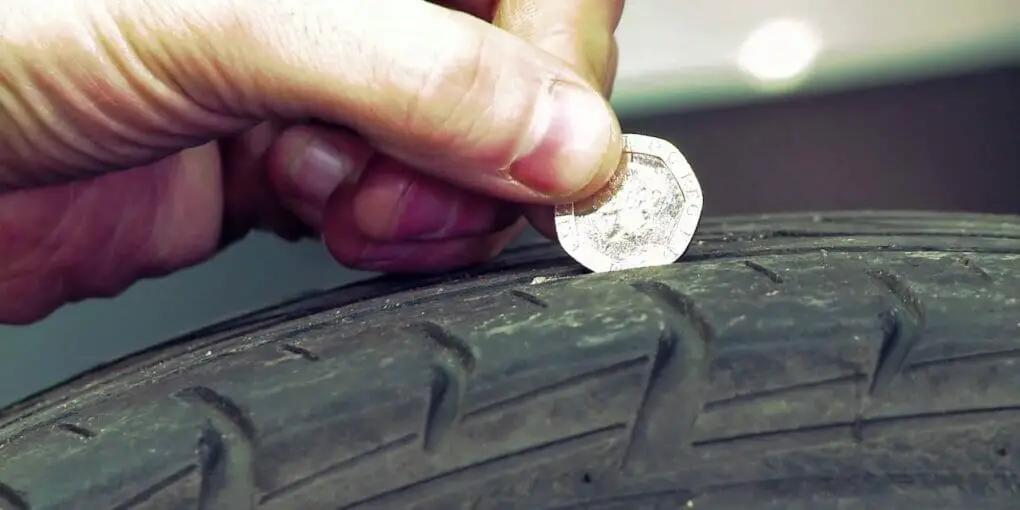
One way is to take a penny and insert it into the tread groove with Lincoln’s head facing down. If you can see all of Lincoln’s head, then your tread depth is less than 2/32″. If you can see part of his head, then your tread depth is between 2/32″ and 4/32″. And if you can’t see any of his head, then your tread depth is greater than 4/32″.Another way to measure tread depth without a gauge is to use a ruler or tape measure.
Place the ruler or tape measure in the deepest part of the tread groove and measure from there up to the top of the tire. Once again, if this measurement is less than 2/32″, then you need new tires.Keep in mind that these methods are only approximate – for best results, always use a proper tread depth gauge.
How to Measure Tire Tread Depth With a Penny
If you’re like most people, you probably don’t think much about your tires until there’s a problem. But did you know that checking your tire tread depth is an important part of routine maintenance? Tire tread depth affects how well your tires grip the road, so it’s important to make sure they have enough tread.
There are a few different ways to check tire tread depth, but one of the easiest is with a penny. Just insert the penny into the tread groove with Lincoln’s head pointing down. If you can see all of Lincoln’s head, your tread depth is less than 2/32″ and it’s time to replace your tires. If you can see part of Lincoln’s head, your tread depth is between 2/32″ and 4/32″. And if you can’t see any of Lincoln’s head, your tread depth is 4/32″ or more and your tires are fine.
Of course, this method isn’t perfect and it’s always best to err on the side of caution when it comes to tire safety. So if you’re not sure if your tires need to be replaced, it’s always a good idea to take them in for a professional inspection.
How to Check Tire Tread With a Gauge
Most people know that it’s important to have good tread on their tires. But did you know that you can check your tire tread with a gauge?It’s actually pretty easy to do.
All you need is a penny and a ruler or tape measure. First, insert the penny into the tread of your tire at various points around the tire. If you can see all of Abraham Lincoln’s head, then your tread is less than 2/32nds of an inch deep and you need new tires.
If part of his head is obscured by the tread, then your tires are still safe to use. Just make sure to keep an eye on the condition of your tires and check them regularly.
Tire Tread Wear Indicator
When it comes to maintaining your car, there are a lot of different things that you have to keep an eye on. One of the most important things is the condition of your tires. Your tires are what keep you safe on the road and if they’re not in good condition, it can be very dangerous.
One way to tell if your tires are getting too worn down is by looking at the tread wear indicator. The tread wear indicator is a small raised bar located in the grooves of your tire. As your tire wears down, this bar will become more visible.
Once it’s completely visible, it’s time to replace your tire.If you’re not sure how to spot the tread wear indicator, just take a close look at your tires next time you’re driving. It’s important to check all four tires regularly so that you can catch any potential problems early on.
Keep your tires in good condition and you’ll be able to stay safe on the road for many miles to come!
New Tire Tread Depth
Assuming you would like a blog post discussing new tire tread depth:When it comes to your car, tires are one of the most important parts. They’re what keep you connected to the road, and ensure a smooth ride.
It’s important to make sure they’re always in good condition- which includes having the right tread depth.So, what is tire tread depth? It’s simply the measurement of how much grooves or “tread” is on your tire.
The grooves are important because they help with grip and traction- especially in wet or icy conditions.The minimum legal tread depth in the United States is 2/32″. This means that if you take a ruler or penny and insert it into the groove of your tire, the top of Lincoln’s head should not be visible.
If your tires are below this minimum, it’s time for new ones. You can check your tread depth by looking at the “wear bars” on your tires. These are raised portions of rubber that span across the bottom of each groove.
If these wear bars are flush with the rest of the tire, then it’s time for new ones.
It’s also a good idea to get new tires if you notice any cracks, bulges, or bald spots on them.While 2/32″ is technically all you need, most experts recommend at least 4/32″.
This gives you a bit more leeway and can help improve performance- especially in adverse conditions.Ultimately, it’s up to you to decide when to get new tires based on their condition and how they’re performing. However, don’t wait too long as it can be dangerous!

Credit: www.goodyear.com
Can You Check Your Own Tire Tread Depth?
Yes, you can check your own tire tread depth. You will need a tire tread depth gauge, which you can purchase at most auto parts stores. To use the gauge, insert it into the deepest part of the tread grooves in your tire.
The gauge will give you a reading in millimeters or 32nds of an inch. Compare this reading to the minimum tread depth for your tires, which is typically 2/32″ or 4 mm.
How Do You Check Tread Depth at Home?
There are a few ways that you can check tread depth at home. One way is to use a penny. Place the penny in the deepest part of the tread groove with Lincoln’s head upside down and facing you.
If you can see all of Lincoln’s head, your tread depth is less than 2/32nds of an inch and you should replace your tires.Another way to check tread depth is by using a tread depth gauge. You can purchase these online or at most auto parts stores.
Simply insert the gauge into the tire tread and see what the reading says. Most new tires have a tread depth of 10/32nds of an inch.You can also visual inspect your tires for wear patterns.
Look for bald spots, cracking, or cupping on the tire surface. These are all signs that it’s time for new tires.
Where Do You Measure a Tires Tread Depth?
When it comes to measuring tire tread depth, there are a few different ways that you can do it. The most common way is to use a tread depth gauge, which is a tool that you can purchase at most auto parts stores. You can also use a ruler or a tape measure, but these methods are not as accurate as using a tread depth gauge.
To measure the tread depth of your tires with a tread depth gauge, start by inserting the gauge into the deepest part of the tread grooves. Once the gauge is all the way in, press down on the top of the gauge until you hear or feel it click. Then, read the number that is displayed on the gauge.
This number will tell you how deep your tire’s treads are.If you don’t have a tread depth gauge and you need to use another method to measure your tires’ tread depths, try using a ruler or tape measure. To do this, insert either one into the deepest part of the tire’s tread grooves and make sure that it’s pressed all the way down to the bottom.
Then, pull out the ruler or tape measure and check to see how long it is. This measurement will tell you how deep your tires’ treads are.
Is the Penny Test for Tires Accurate?
The penny test for tires is a popular way to check the tread depth of your tires. But is it accurate?Tread depth is important for two reasons: traction and tire longevity.
The deeper the tread, the better the grip on wet or icy roads, and the longer the tire will last. That’s why it’s important to know how to properly check tread depth.The penny test is one way to do this.
To perform the test, insert a penny into the deepest groove of your tire’s tread with Lincoln’s head facing down. If you can see all of Lincoln’s head, your tread depth is less than 2/32nds of an inch and it’s time to replace your tires.While the penny test is a quick and easy way to check tread depth, it isn’t always accurate.
The width of a penny (1/4th inch) doesn’t give you an accurate reading of true tread depth because tire grooves are often much narrower than that. So if your tire passes the penny test, it doesn’t necessarily mean that your tread depth is fine – it could be shallower than you think.A more accurate way to measure tread depth is with a tire gauge (available at most auto parts stores).
For best results, insert the gauge into several different grooves around your tires and take an average reading. If your tires have less than 4/32nds of an inch of tread remaining, they need to be replaced soon.
Conclusion
Most people don’t know how to check tread depth on tires, but it’s actually a really simple process. All you need is a penny and a ruler. Place the penny in the deepest part of the tread groove with Lincoln’s head upside down and facing you.
If you can see all of Lincoln’s head, your tread depth is less than 2/32 inch and you should replace your tires. If you can only see some of his head, your tread depth is between 2/32 and 4/32 inch and you should be fine for now but keep an eye on it. Anything over 4/32 inch is considered good tread depth.
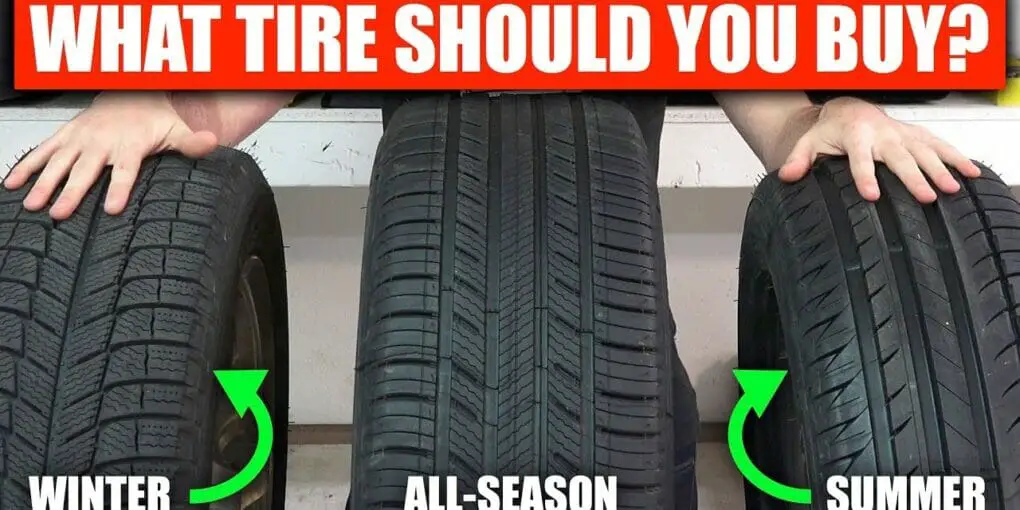
How to Tell All Season Tires
Are all season tires really the best choice for your car? It depends. If you live in an area with warm weather and little rain or snow, all season tires may be a good option.
However, if you live in an area with cold winters and lots of snow, all season tires may not be the best option. In this article, we will discuss how to tell if all season tires are right for your car.
- Assuming you would like steps on how to tell if a tire is an all season tire:1
- Check the sidewall of the tire for the word “All Season
- Look for a tread design that is not specifically designed for winter or summer weather conditions
- All season tires typically have a symmetrical tread pattern
- Check for an M+S (Mud and Snow) symbol on the sidewall of the tire which indicates that the tire is meant for all-season use

Credit: www.tires-easy.com
What Does an All Season Tire Look Like?
An all season tire is designed to provide good traction and handling in a variety of driving conditions, including wet weather and light snow. They typically have a tread pattern that helps evacuate water and slush from the contact patch, as well as biting edges for traction in snow. Some all season tires also feature special rubber compounds that remain flexible at lower temperatures to help maintain grip on icy roads.
How Can You Tell the Difference between All Season And Winter Tires?
If you live in an area with cold winters and lots of snow, then you need to switch to winter tires. But how can you tell the difference between all season and winter tires?All season tires are designed to provide good traction in a variety of conditions, including wet weather and light snow.
Winter tires are designed specifically for use in cold weather and on snowy roads.One way to tell the difference is by looking at the tread pattern. All season tires typically have shallower tread grooves than winter tires.
This helps them grip the road in dry conditions, but it also means that they don’t grip as well in deep snow. Winter tires have deeper tread grooves that help them bite into the snow and ice for better traction.Another way to tell the difference is by looking at the compound used in the tire.
All season tires typically have a harder compound that helps them last longer. Winter tires have a softer compound that helps them grip better in cold temperatures.So if you’re trying to decide between all season and winter tires, make sure you take into account your driving needs.
If you do a lot of driving in snowy or icy conditions, then winter tires are a must-have.
How Do I Know What Type of Tire I Have?
There are a few ways that you can determine what type of tire you have. One way is to look at the sidewall of the tire. Most tires will have a designation that includes the width, height, and diameter of the tire.
For example, a common size for passenger vehicles is P215/60R16. The “P” indicates that it is a passenger vehicle tire, the 215 is the width in millimeters, the 60 is the height as a percentage of the width, and the 16 is the diameter of the wheel in inches.
Another way to determine your tire size is by looking at your vehicle’s owner’s manual.
In most cases, there will be a section that lists recommended tire sizes for your specific make and model of vehicle. Once you know your recommended sizes, you can narrow down your choices even further by considering other factors such as load capacity and speed rating.
If you’re still unsure about which tire is right for your vehicle, you can always consult with a professional at an auto or Tire shop.
They will be able to help you select a tire that meets your needs based on factors such as driving habits, climate conditions where you live, and any special requirements that your vehicle may have.
All-weather tires and what the symbols on the sidewalls of tires mean @UrbanAutomotiveOakville
All-Season Tire Symbol
If you’re shopping for new tires, you may have noticed a little symbol on some of the tires that says “all-season.” But what does that mean? Here’s a quick explanation.
All-season tires are designed to provide good traction and handling in a variety of conditions, including wet weather and light snow. They’re a good choice for most drivers in most parts of the country.However, all-season tires aren’t necessarily the best choice for every driver.
If you live in an area with heavy snowfall, you’ll probably be better off with winter tires. And if you do a lot of driving on dry, sunny days, you might want to consider summer tires, which are designed to provide better grip and handling on dry roads.Ultimately, it’s up to you to decide what type of tire is best for your needs.
But if you’re not sure, an all-season tire is a safe bet.
How to Identify Summer Tires
When it comes to identifying summer tires, there are a few things you can look for. For starters, summer tires typically have a lower profile than all-season or winter tires. They also have deeper treads and more sipes, or cuts in the tread, which help provide better traction on wet roads.
Additionally, summer tires often have stiffer sidewalls to help with cornering at high speeds. Finally, most summer tires will be branded with a “summer” or “performance” designation.If you live in an area with warm weather and lots of sunshine year-round, then summer tires may be the right choice for you.
However, if you experience any significant amount of rain or snowfall each year, you may want to stick with all-season or winter tires instead.
How to Tell Winter Tires from All-Season
As the weather gets colder, you may be wondering if it’s time to switch out your tires. But how can you tell if you need winter tires? Here’s a quick guide.
All-season tires are designed to provide good traction in a variety of conditions, including light snow. However, they’re not as effective in deep snow or on icy roads. Winter tires, on the other hand, are specifically designed for use in cold weather and provide better traction in all types of winter driving conditions.
One way to tell winter tires apart from all-season tires is by looking at the tread pattern. Winter tire treads are typically deeper and have more grooves than all-season tire treads. This helps them grip the road better in slippery conditions.
Another way to tell winter tires apart from all-season tires is by looking at the sidewall markings. Winter tire sidewalls often have a “snowflake” symbol that indicates they meet certain performance criteria for use in snowy conditions.If you’re not sure whether your vehicle needs winter tires, consult your owner’s manual or ask a professional at your local tire shop.
All-Season Vs Summer Tires
When it comes to tires, there are two main types: all-season and summer. All-season tires are designed to perform well in a variety of conditions, including both hot and cold weather. Summer tires, on the other hand, are specifically designed for use in warm weather.
So, which type of tire is right for you? It depends on a few factors, including where you live and how you plan to use your vehicle.If you live in an area with mild winters and hot summers, all-season tires may be the way to go.
They’ll provide good traction in both warm and cold weather, making them a versatile option.However, if you live in an area with very harsh winters or very hot summers, summer tires may be a better choice. They’ll provide better traction and performance in extreme temperatures than all-season tires.
Ultimately, it’s up to you to decide which type of tire is best for your needs. If you’re not sure, consult with a professional or do some research to find out which option would be best for your situation.
Conclusion
The blog post covers the topic of how to tell if a tire is an all season tire. All season tires are designed to provide good traction and handling in all seasons, but they may not perform as well in extreme conditions like winter or summer. There are a few ways to tell if a tire is an all season tire.
One way is to look for the M+S logo on the sidewall of the tire. This stands for mud and snow, and it indicates that the tire is designed for use in those conditions. Another way to tell if a tire is an all season tire is by looking at the tread pattern.
All season tires typically have wider grooves than summer tires, which helps them grip the road in wet or snowy conditions.
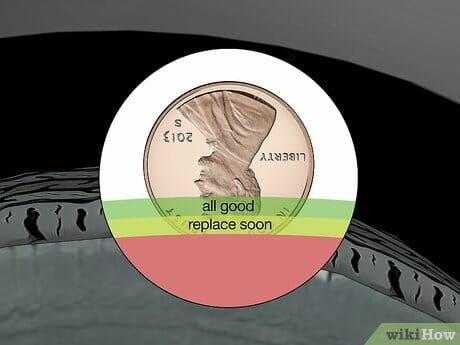
How to Test Tread With a Penny
If you’re unsure about the depth of your tread, there’s an easy way to test it with a penny. First, find a part of the tire with the deepest tread. Next, insert a penny into the tread head first.
If you can see all of Lincoln’s head, your tread is shallow and you should consider replacing your tires. If his head is partially obscured, you have some tread left but should still keep an eye on them. Lastly, if his entire head is hidden, then your tires have enough tread for now.
How to Check Your Tire Tread Depth with a Gauge or a Penny
- Place a penny between the treads of your tire in various locations
- Check to see if any part of Lincoln’s head is covered by the tread
- If his entire head is visible at any point, your treads are worn and you should replace your tires
How to Measure Tread Depth Without a Gauge
Tread depth is an important aspect of tire safety and performance, but it can be difficult to measure without a dedicated tread depth gauge. There are a few ways to get around this, however.One method is to use a ruler or tape measure.
Place the ruler or tape measure at the bottom of the deepest groove in the tread, and then measure up to the top of the tread. This will give you an accurate measurement of the tread depth.Another way to measure tread depth is with a penny.
Place a penny into the deepest groove in the tread, with Lincoln’s head pointing down. If you can see all of Lincoln’s head, then the tread depth is less than 2/32″. If you can see part of Lincoln’s head, then the tread depth is between 2/32″ and 4/32″. Anything more than that means your tires are safe.
Keep in mind that these methods are only approximate; for best results, always use a dedicated tread depth gauge if possible.
How to Check Tire Tread With a Quarter
It’s a good idea to check your tire tread on a regular basis, and it’s easy to do with a quarter. Just insert the quarter into the tread groove with Washington’s head upside down and facing you. If you can see all of Washington’s head, your tread depth is less than 2/32 inch and it’s time to replace your tires.
If you can only see part of Washington’s head, your tread depth is between 2/32 and 4/32 inch, so you should keep an eye on your tires and replace them when they get to 2/32 inch. If you can’t see any of Washington’s head, your tread depth is more than 4/32 inch and you have plenty of tread left.
Tire Tread Wear Indicator
Most car tires have tread wear indicators, which are raised sections located in the valleys of the tire tread. As your tires wear down, these indicators will become more pronounced, letting you know it’s time to replace them.Tread wear indicator
Most car tires have tread wear indicators, which are raised sections located in the valleys of the tire tread. As your tires wear down, these indicators will become more pronounced, letting you know it’s time to replace them.
The main function of a tire is to provide traction between the road and the vehicle; however, other functions of a tire include providing a comfortable ride and absorbing shocks from irregularities in the road surface.
Tires are also designed to dissipate heat build-up due to friction. The materials used to make up a tire affect its performance characteristics such as traction, durability, comfort and rolling resistance.
To extend the life of your tires and maintain optimal performance, it is important to regularly check their condition and keep them properly inflated.
You should also avoid driving on excessively hot or cold days as extreme temperatures can cause irreparable damage to your tires.
4/32 Tire Tread Percentage
Most passenger vehicles have a tire tread depth of between 10/32 and 11/32 when they’re brand new. That’s about 1/3 of an inch, and it’s the minimum depth that’s legally allowed in most states. But as your tires wear down, their ability to grip the road surface decreases.
Once your tread gets down to 4/32, you’re at what’s known as the legal limit in many states.At this point, your tires are no longer able to displace water as effectively, so they can’t provide the same level of traction on wet roads. This increases the risk of hydroplaning, which can lead to a loss of control and a serious accident.
It also means that your braking distances will increase, since it takes longer for your tires to make contact with the road surface.If you live in a state with a 4/32 tread depth limit, it’s important to keep an eye on your tires and replace them before they reach this point. You don’t want to wait until they’re bald before getting new ones!
New Tire Tread Depth
Most carmakers recommend replacing your tires when they reach a tread depth of 6/32 of an inch. New tires typically come with 10/32 or 11/32 inches of tread. So if you have a tire with 6/32 of an inch remaining, it’s time to start shopping for new ones.
There are several ways to check your tread depth. One is the penny test. Insert a penny headfirst into the grooves between the treads on your tire.
If you can see all of Lincoln’s head, your tread has worn down to 2/32 inch and it’s time to replace your tires.If you don’t have a penny handy, you can also use the quarter test. Insert a quarter into the grooves between the treads on your tire with Washington’s head pointing down.
If you can see above his forehead, your tread has worn down to 4/32 inch and it’s time for new tires.You can also buy a tool called a tread depth gauge at most auto parts stores that will give you a more accurate measurement of your tire’s remaining tread depth.Whatever method you use, checking your tread depth regularly is important because it can help prevent accidents by giving you better traction on wet or icy roads.
It can also help improve your gas mileage since bald tires create more rolling resistance than ones with plenty of tread.
Credit: www.goodyear.com
Is the Penny Test for Tires Accurate?
Although the penny test is a popular way to check tire tread depth, it is not necessarily accurate. The penny test simply measures the depth of the tread grooves in your tires. It does not take into account other important factors such as tire wear, tire pressure, or alignment.
To get a more accurate idea of how your tires are performing, it is best to consult with a professional. They will be able to properly inspect your tires and give you specific advice on what needs to be done to maintain or improve their condition.
How Do You Do a Penny Test?
When it comes to testing the purity of gold, the penny test is a widely used method that is simple and easy to do. All you need is a copper penny and gold piece of jewelry. The first step is to file the surface of both the coin and jewelry piece so that they are both shiny.
Next, place the gold piece on top of the penny with the shiny side up. If you see a dark line between the two pieces of metal, then your gold is not pure. This means that it is made with other metals and not just gold.
However, if there is no line or only a very faint one, then your gold piece is most likely pure.
How Do You Measure a Penny’S Tread Life?
When it comes to measuring a penny’s tread life, there are a few different ways that you can do it. One way is to simply look at the coin and see how much of the original design is still visible. If you can’t see much of the original design, then the penny has probably been through a lot of wear and tear and its tread life is getting low.
Another way to measure a penny’s tread life is to use a special tool called a micrometer. This tool can help you get an accurate measurement of how thick the coin’s surface is. If the surface is getting thinner, then that means the coin’s tread life is also getting shorter.
Conclusion
Using a conversational tone, write a summary of blog post in details for this topic: : How to Test Tread With a Penny.If you’re not sure how to tell if your tires need to be replaced, there’s an easy way to test it with a penny. All you need is a penny and something to prop up your car so that you can get a good look at the tread.
First, find Lincoln’s head on the penny. Then, place the penny upside down in the tread of your tire so that his head is facing into the tire. If you can see all of Lincoln’s head, then your tread depth is less than 2/32″ and it’s time to replace your tires.
You can also do this test with a quarter instead of a penny. Place the quarter into the tread upside down so that Washington’s head is facing into the tire. If you can see all of Washington’s head, then your tread depth is less than 4/32″ and it’s time for new tires.
Hyundai Genesis Winter Tires
When it comes to choosing the right winter tires for your Hyundai Genesis, there are a few things to keep in mind. First, you’ll want to make sure that the tires you select are rated for snow and ice. Secondly, you’ll want to choose a tire that is the appropriate size for your vehicle.
Lastly, you’ll want to decide if you want studded or non-studded tires.When it comes to safety, studded winter tires are hard to beat. They offer superior traction on both ice and snow covered roads.
However, they can be quite noisy and may damage the roads if used excessively. Non-studded winter tires provide excellent traction as well, but without the noise and potential road damage associated with studded tires.
The Hyundai Genesis is a premium car that deserves premium winter tires. That’s why we recommend the Continental WinterContact TS860. This tire was developed specifically for luxury performance cars like the Genesis, and it provides outstanding traction and handling in wintry conditions.
The Continental WinterContact TS860 features a special tread compound that remains pliable in cold weather, providing excellent grip on icy roads. The tire also has an aggressive tread pattern with large lateral grooves that evacuate snow and slush quickly.If you’re looking for the best possible winter performance from your Hyundai Genesis, make sure you equip it with a set of Continental WinterContact TS860 tires.

Credit: www.varagesale.com
Is Hyundai Genesis Good in Winter?
If you live in an area with harsh winters, you may be wondering if the Hyundai Genesis is a good choice for a winter vehicle. Here’s what you need to know.The Hyundai Genesis has a standard all-wheel drive system that helps it handle well in snow and ice.
It also has standard features like heated front and rear seats, as well as a heated steering wheel, which will keep you warm and comfortable on cold days. The Genesis also has a remote start system, so you can start your car from the comfort of your home and let it warm up before you head out into the cold.All of these features make the Hyundai Genesis a great choice for winter driving.
However, there are a few things to keep in mind. First, the all-wheel drive system does add some weight to the car, which can impact fuel economy. Second, the tires that come standard on the Genesis may not be ideal for winter conditions.
If you plan on doing any serious winter driving, it’s worth upgrading to winter tires.Overall, though, the Hyundai Genesis is a great choice for a winter vehicle thanks to its all-wheel drive system and its many comfort and convenience features.
What Brand Tire Does Genesis Use?
There is no one-size-fits-all answer to this question, as the brand of tire that Genesis uses will vary depending on the model of car that you have. However, some of the most popular tire brands that are used on Genesis cars include Michelin, Pirelli, and Continental. These tires are all known for their high quality and performance, so you can rest assured that your Genesis is in good hands with any of them.
Is the Hyundai Genesis Coupe Good in Snow?
If you live in an area with frequent snowfall, then you know how important it is to have a car that can handle the conditions. So, is the Hyundai Genesis Coupe good in snow? Let’s take a look.
The Hyundai Genesis Coupe comes standard with rear-wheel drive, which can be problematic in snowy conditions. However, if you opt for the all-wheel drive version, you’ll have much better traction and control on icy roads.Another important factor to consider is ground clearance.
The higher the clearance, the less likely you are to get stuck in deep snowdrifts. Unfortunately, the Hyundai Genesis Coupe has a relatively low ground clearance of just 5 inches (13 cm). This means that it could get stuck more easily than some other cars.
Finally, let’s talk about tires. All-season tires are fine for most driving conditions, but they won’t provide the best traction on ice and snow. If you really want to be safe on winter roads, it’s worth investing in a set of winter tires specifically designed for cold weather driving.
All things considered, the Hyundai Genesis Coupe can be a decent choice for driving in snow – as long as you’re aware of its limitations and take steps to compensate for them accordingly.
Do I Need 4 Winter Tires Or Just 2?
When it comes to deciding how many winter tires you need, it really depends on a few factors. For starters, are you driving in particularly snowy or icy conditions? If so, then you’ll definitely want to have all four tires replaced with winter ones.
This will give you the best possible traction and control of your vehicle. Even if you’re not driving in extreme conditions, though, having four winter tires can still be beneficial. It can help improve your fuel economy and make your car feel more stable on the road.
If you live in an area with milder winters, though, you may be able to get away with just two winter tires. This is typically only recommended if you’re not doing a lot of driving in snow or ice – so if your commute is mostly clear, for example, then two winter tires should suffice. Just be sure to put them on the front wheels (as they do the most work) and keep an eye on their tread depth – as they’ll wear down quicker than usual due to being used more often.
Genesis Coupe- Winter Tire Install
Hyundai Genesis Tire Size
When it comes to choosing the right tires for your Hyundai Genesis, there are a few things you need to take into consideration. First and foremost is tire size. The standard tire size for the Hyundai Genesis is P215/45R17.
However, if you’re looking to upgrade your tires or simply want a different look, there are plenty of other options available.One thing to keep in mind is that changing your tire size can have an effect on your speedometer and odometer readings, as well as your gas mileage. So be sure to do some research before making any final decisions.
Another important consideration is tread wear. Tires with higher tread wear ratings will last longer and perform better in both wet and dry conditions. If you live in an area with harsh weather conditions, it’s definitely worth opting for tires with a higher tread wear rating.
Finally, don’t forget about price! While it’s important to get quality tires, you don’t want to break the bank in the process. There are plenty of great options out there that won’t cost you an arm and a leg.
So shop around and compare prices before making your final decision.We hope this information has been helpful as you choose the perfect tires for your Hyundai Genesis!
Hyundai Genesis Tires
The Hyundai Genesis is a luxury car that comes with a lot of features and options. One of those options is the choice of tires. The standard tires on the Hyundai Genesis are all-season tires, but there are also summer and winter tire options available.
All-season tires are a good choice for most drivers because they provide good traction in both dry and wet conditions. They’re also a good choice for people who live in regions with mild winters. Summer tires provide better traction in warm weather conditions, but they can be more susceptible to hydroplaning in wet conditions.
Winter tires are designed for use in cold weather and snowy conditions. They have special tread patterns and compounds that help them grip the road in these conditions.If you’re not sure which type of tire is right for you, consult your local Hyundai dealer or tire retailer.
Genesis Gv70 Winter Tires
If you live in an area with cold weather and snow, then you know how important it is to have good winter tires. With so many options on the market, it can be tough to decide which ones are right for your car. If you’re driving a Genesis GV70, then we’ve got some recommendations for you.
First things first: make sure you get tires that are rated for both snow and ice. This will give you the best possible traction no matter what conditions you encounter. Next, keep in mind that the GV70 is a pretty heavy vehicle, so you’ll want tires that can handle that weight.
Finally, take a look at the tread pattern – something with lots of grooves and siping is ideal for grip on slippery surfaces.Some of our favorite winter tires for the Genesis GV70 include the Continental ExtremeContact DWS06, Michelin Pilot Alpin PA4, Pirelli Scorpion Ice & Snow, and Goodyear UltraGrip Performance 2. All of these options offer great traction and durability, so you can feel confident behind the wheel all winter long.
Genesis Gv80 Tire Size
The Genesis GV80 is a mid-size SUV that offers plenty of space for passengers and cargo. It comes standard with 19-inch wheels and all-season tires, but you have the option to upgrade to 21-inch wheels and summer tires. If you’re looking for the best tire size for your GV80, we’ve got you covered.
The standard 19-inch wheel and tire size for the GV80 is 255/55R19. This is a good all-around size that works well in most conditions. If you frequently drive in wet or icy conditions, however, you may want to consider upgrading to a set of winter tires.
These will provide better traction and help keep you safe on the road.If you want more performance from your GV80, you can opt for the 21-inch wheel and tire upgrade. This brings the vehicle’s total width up to 10 inches wider than standard, so it’s important to be aware of this when choosing a parking spot or driving through narrow roads.
The increased width also means that there’s less sidewall on the tires, which can lead to a harsher ride quality. That said, the tradeoff is increased grip and stability when cornering at high speeds. The recommended tire size for this upgrade is 275/40R21.
No matter what wheel and tire size you choose for your GV80, make sure to keep an eye on your tread depth and air pressure levels.
Conclusion
If you live in a cold climate, you know how important it is to have good winter tires. But what if you don’t want to spend the money on a separate set of winter tires? Hyundai has come up with a solution – the Genesis Winter Tire Package.
For an extra $2,000, you can get your Hyundai Genesis equipped with winter tires and rims. The package includes four Hankook iPike RW11 studless snow tires and 16-inch alloy wheels. The rims are finished in either black or silver.
If you’re looking for a way to keep your Genesis safe and stylish this winter, the Winter Tire Package is definitely worth considering.

Visualize Tires on My Truck
I have a lot of trouble with my truck. It’s always breaking down and costing me a fortune in repairs. The other day, I was driving down the highway and I got a flat tire.
I didn’t have a spare, so I had to call a tow truck. The tow truck driver told me that I needed to get new tires for my truck. He said that the tires on my truck were bald and they were not safe to drive on.
I went online and started looking for new tires for my truck. I found some really great deals on some name brand tires. I also found some cheaper, off-brand tires.
I wasn’t sure which ones to get. Then, I had an idea.
WHEEL VISUALIZER FIRST CHOICE TIRES INC
If you can’t see the tires on your truck, then you’re in for a long walk. That’s why it’s important to always keep an eye on your tire pressure and visually inspect them regularly.If you notice that one of your tires is low, don’t panic.
You can usually pump it up at a gas station or with a portable air compressor. However, if you notice that more than one tire is low, it’s time to get new ones.It’s also important to check the tread on your tires.
If they’re starting to wear down, it’s time for new ones. Worn-out tires can be dangerous because they can cause blowouts and accidents.So, next time you’re driving, take a minute to visualize the tires on your truck and make sure they look good!
Truck Visualizer Customizer
If you’re in the market for a new truck, you’ve probably noticed that most manufacturers offer some kind of visualizer or customizer on their websites. This is a great tool for narrowing down your choices and getting a feel for what your dream truck would look like. But with so many options out there, it can be tough to know where to start.
Here at Truck Visualizer, we specialize in helping you build the perfect truck. We’ll walk you through all the different options and help you choose the right combination of features, colors, and accessories. And best of all, our service is completely free!
So whether you’re looking for a new work truck or just want to add some personalization to your ride, we can help. Just tell us what you’re looking for and we’ll get to work creating your perfect truck.
Best Wheel Visualizer
If you are in the market for a new set of wheels, you may be wondering how to choose the best option for your vehicle. There are many factors to consider when selecting a wheel, including size, offset, bolt pattern, and more. While there are many online resources that can help you narrow down your choices, a wheel visualizer can be an invaluable tool in making your final decision.
A wheel visualizer allows you to see how different wheels will look on your vehicle. You can input your vehicle information and then browse through different wheel options to see what looks best. This is a great way to get an idea of what size and style of wheel will complement your car or truck.
When using a wheel visualizer, it is important to keep in mind that the results are only as accurate as the information you input. Be sure to enter the correct vehicle data, such as year, make, model, and trim level. If you are unsure of any of this information, consult your owner’s manual or reach out to the manufacturer directly.
Once you have found a few potential options using a wheel visualizer, it’s time to do some further research. Read online reviews of the wheels you are considering and compare pricing between different retailers. Be sure to factor in shipping costs when making your final decision.
With so many choices on the market today, taking the time to find the perfect set of wheels for your vehicle is essential. A wheel visualizer can be a helpful tool in this process and ensure that you end up with a set of wheels that you love!
Wheel Visualizer App
If you’re looking to visualize how different wheel and tire combinations will look on your car, SUV or truck, there’s now an app for that. The Wheel Visualizer App from Tire Rack allows users to see how more than 8,000 wheel and tire combinations will look on their specific vehicle make and model.The app, which is available for free on the App Store and Google Play, features a library of high-resolution photos that give users a realistic view of how various wheels and tires will impact the look of their vehicle.
In addition to allowing users to select their vehicle make and model, the app also lets them choose the type of wheel they’re interested in – such as aluminum or steel – as well as the size and finish. Once a selection is made, the app provides multiple angles of that particular wheel and tire combination on the user’s selected vehicle.Users can also zoom in on each photo to get a closer look at the detail, and can save their favorite combinations to review later.
In addition, the app provides links to each product page so users can easily purchase their desired wheels and tires right from the app.Whether you’re trying to decide what kind of wheels to buy or just want to see how different options would look on your car before you make a purchase, the Wheel Visualizer App is a helpful tool that makes it easy to find exactly what you’re looking for.
Best Truck Wheel Visualizer
There are many factors to consider when choosing the best truck wheel visualizer. The most important factor is the size of the truck. Other factors include the type of terrain, the weight of the load, and the climate.
The size of the truck is an important factor because it determines how much weight the vehicle can carry. If the truck is too small, it may not be able to handle heavy loads. If the truck is too large, it may not be able to maneuver in tight spaces.
The type of terrain is another important factor to consider. Off-road trucks need different wheels than on-road trucks. The wrong type of wheel can cause damage to the vehicle or make it difficult to control.
The weight of the load is also a consideration. Heavier loads require stronger wheels that can support the weight without damaging the truck’s suspension system.Finally, climate should be taken into account when choosing tires for a truck.
Tires made for cold weather will not perform as well in warm weather and vice versa.
Fuel Wheel Visualizer
The Fuel Wheel Visualizer is a great tool to help you see what your car will look like with different types of wheels. You can choose from a variety of wheel sizes, widths, and offsets to see how they will affect the look of your car. This tool is also helpful in deciding which type of wheel is best for your car.
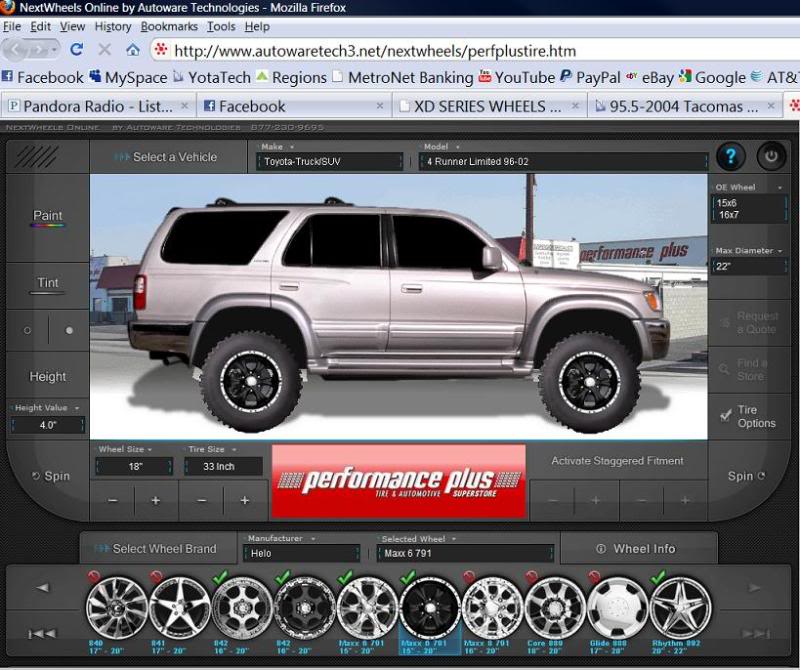
Credit: www.yotatech.com
How Can I See Tires on My Car?
Assuming you would like tips on how to inspect your tires:It is important to check your tires regularly to ensure they are in good condition and have sufficient tread. Here are a few tips on how to inspect your tires:
– First, take a close look at all four of your tires. Check for any visible signs of damage such as cracks, cuts or bulges in the sidewall.
– Second, use a tire gauge to measure the tread depth of each tire.
The minimum acceptable tread depth is 4/32 of an inch. If any of your tires fall below this, it’s time for new ones.
– Third, use the penny test.
Place a penny headfirst into several tread grooves across the tire. If you can see Abraham Lincoln’s entire head, then the tread is less than 2/32 of an inch deep and it’s time for new tires.
– Lastly, if you notice any uneven wear on your tires, have them checked out by a professional as they may need to be balanced or aligned.
Is There an App to See Rims on My Car?
There is not currently an app that allows you to see rims on your car. However, there are several websites that offer this service. One website, called Wheelwiz, offers a free online tool that allows you to see how different rims will look on your car.
Another website, called Rimstyle, offers a similar service for a fee.
How Do You Photoshop Wheels on a Car?
If you want to Photoshop wheels on a car, there are a few things you need to do. First, open up the image of the car in Photoshop. Next, use the lasso tool to select the area around the wheel.
Once you have the area selected, go to Edit > Transform > Warp and warp the selection until it looks like a wheel. Finally, add a new layer and paint over the warped selection to complete the look of the wheel.
How Do You Know What Tires Will Fit My Truck?
There are a few things you need to take into account when determining which tires will fit your truck. First, you need to know the size of your truck’s wheels. This information can be found in your owner’s manual or on the door placard (usually located on the driver’s side).
Once you have this information, you can start shopping for tires.If you’re looking for off-road tires, it’s important to find ones that are specifically designed for your truck. That way, you’ll know they’ll be able to handle the tough terrain and provide good traction.
You may also want to consider getting a tire with a higher load rating if you often carry heavy loads in your truck.When shopping for new tires, always keep your truck’s specific needs in mind. That way, you can be sure to get the right tires for the job.
Conclusion
If you’re a truck owner, then you know how important it is to keep an eye on your tires. After all, they are what keep you moving! But what if you could actually see your tires, even when they’re not in use?
With the new Visualize Tires app, you can do just that. This app uses augmented reality to show you a 3D image of your tires, so you can check their condition from anywhere.Not only does this allow you to stay on top of your tire maintenance, but it also means that you can avoid flat tires and other problems down the road.
So if you’re looking for a way to visualize your tires (and save yourself some money), then be sure to check out Visualize Tires.
Michelin Treadwear Rating
The Michelin Treadwear Rating is a measurement of how long a tire will last. The higher the number, the longer the tire will last. A tire with a treadwear rating of 200 will last twice as long as a tire with a treadwear rating of 100.
The Michelin Treadwear Rating is based on tests conducted by Michelin under controlled conditions.
Does Higher Wear = More Grip? Treadwear Track Test Between Michelin, Goodyear and Toyo!
The Michelin Treadwear Rating is a measure of how long a tire’s tread will last. The higher the number, the longer the tread will last. A tire with a rating of 200 will last twice as long as a tire with a rating of 100.
Michelin is one of the leading tire manufacturers in the world, and their treadwear ratings are highly respected. When shopping for new tires, it’s important to consider the Michelin Treadwear Rating to ensure you’re getting a product that will last.
Michelin Pilot Sport Treadwear Rating
Michelin Pilot Sport tires are some of the best performing tires on the market. They offer excellent grip and handling, and their treadwear rating is among the highest in the industry. If you’re looking for a tire that will give you great performance and long-lasting wear, Michelin Pilot Sport tires are a great option.
Pirelli Treadwear Rating
Treadwear is a measure of how well a tire resists wear under controlled laboratory conditions. The Pirelli Treadwear Rating is a comparative rating system developed by Pirelli. It is not an absolute measure of tread life, but rather, it is a relative number that indicates how fast the tire will wear when compared to other tires with different treadwear ratings.
A higher treadwear rating means the tire will resist wear better and will last longer than a tire with a lower treadwear rating. For example, if two tires both have a treadwear rating of 400, the tire with the higher rating will last 20% longer than the tire with the lower rating.The Pirelli Treadwear Rating system has 10 levels, with Level 1 being the best and Level 10 being the worst.
A brand new set of tires should have a Treadwear Rating of Level 1. As the tires are used and begin to show signs of wear, their Treadwear Rating will decrease.
320 Treadwear Rating
If you’re shopping for new tires, you may have come across the term “treadwear rating.” But what does this number actually mean?In short, the treadwear rating is a measure of how long a tire’s tread will last.
The higher the number, the longer the tread will last. For example, a tire with a treadwear rating of 320 should last twice as long as a tire with a treadwear rating of 160.Of course, there are other factors that can affect how long your tires will last, such as driving habits and road conditions.
But in general, the treadwear rating is a good way to compare different tires.When shopping for new tires, keep in mind that the price is not always an indicator of quality. A more expensive tire may have a lower treadwear rating than a cheaper one.
So be sure to check the numbers before you make your purchase.
Michelin Tire Complaints
If you’re looking for information on Michelin tire complaints, you’ve come to the right place. In this blog post, we’ll take a detailed look at some of the most common complaints about Michelin tires, as well as what you can do if you have a complaint about your own Michelin tires.One of the most common Michelin tire complaints is that they tend to wear out quickly.
This is especially true for those who drive frequently or use their vehicles for heavy-duty tasks. If you find that your Michelin tires are wearing out faster than expected, it’s important to take them to a professional to get them checked out. There could be an issue with the way they were manufactured, or there could be something wrong with your particular vehicle that is causing the premature wear and tear.
Another common complaint about Michelin tires is that they can be quite noisy. This is usually due to the fact that they are made from harder materials than other brands of tires, which can make them more likely to create noise when driven on rough roads or when making sharp turns. If you’re concerned about the noise level of your Michelin tires, it’s best to consult with a professional before making any decisions about whether or not to replace them.
If you have a complaint about your Michelin tires, the best thing to do is contact customer service directly. They will be able to help you troubleshoot the problem and determine if there is anything that can be done to improve the situation. In many cases, they may even offer replacement tires free of charge if your original purchase was within a certain time frame (usually within 30 days).
So if you’re not happy with your current Michelins, don’t hesitate to reach out and let them know!
Tire Traction Rating
Most car owners know that tires are an important part of their vehicle, but many don’t know much about the different types of tires or what a tire’s traction rating means. Tire traction is important for several reasons. First, it affects how well your car accelerates, brakes and turns.
Second, it can impact your safety on the road – both in dry and wet conditions.There are three main types of tire treads: all-season, summer and winter. All-season tires are designed to provide good traction in both dry and wet conditions, but they don’t perform as well in extreme weather conditions like snow or ice.
Summer tires provide good grip and handling in warm weather conditions, but they can be more slippery in the rain or on icy roads. Winter tires are specifically designed for use in colder temperatures and snowy or icy conditions. They have a deeper tread pattern that helps to improve traction on slick surfaces.
Tire manufacturers assign a “traction rating” to their tires to indicate how well they perform under various road conditions. The ratings range from AA (the highest) to C (the lowest). Tires with higher ratings will typically provide better acceleration, braking and cornering than those with lower ratings.
However, it’s important to remember that these ratings only offer a general guide – your driving style, the condition of your car’s suspension and other factors can also impact how well your car performs on the road.If you’re concerned about traction while driving, there are some things you can do to help improve it. First, make sure your tires are properly inflated – this will help them maintain contact with the road surface more effectively.
Second, avoid sudden starts or stops whenever possible – this can cause your wheels to slip on slippery surfaces. Third, take corners slowly and gently – again, this will help prevent slipping or skidding.
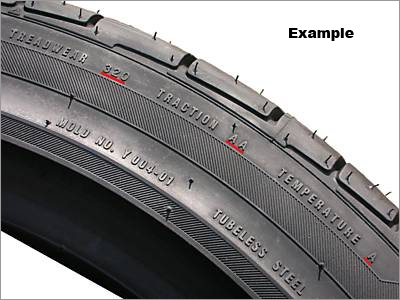
Credit: mountain-valleymotors.com
How Many Miles is a 400 Treadwear Rating?
A 400 treadwear rating means that the tire should last for approximately 40,000 miles. This is based on an industry-standard test that measures wear rates under controlled conditions. Keep in mind that actual mileage may vary depending on driving habits and other factors.
What is a Good Tread Wear Rating?
A good tread wear rating is a subjective measure of how well a tire performs. It is based on the original design of the tire and how it wears over time. A higher tread wear rating means that a tire will last longer and provide better traction than a lower rated tire.
How Many Miles Should Michelin Tires Last?
Michelin tires are known for their durability and long lasting tread life. On average, Michelin tires can last anywhere from 40,000 to 80,000 miles. This number will vary depending on the type of Michelin tire you purchase as well as how you drive and maintain your vehicle.
If you are looking for a Michelin tire that will last you a long time, be sure to do your research and choose a tire that fits your needs.
What Does the T And H Mean on Michelin Tires?
Michelin tires are some of the most popular on the market, and for good reason. They offer a great combination of performance and durability, and can be found on everything from economy cars to high-performance vehicles. But what do those letters on the sidewall mean?
The “T” in Michelin tires stands for “touring.” Touring tires are designed for all-around use, offering a good blend of traction, comfort, and mileage. They’re a good choice for everyday driving, as well as occasional trips down back roads or highways.
The “H” in Michelin tires stands for “highway.” Highway tires are designed primarily for paved roads, offering excellent mileage while still providing good traction and handling. They’re not necessarily the best choice for off-road driving or rough terrain, but they’ll get you where you need to go without any problems.
So there you have it! The next time you’re looking at a set of Michelin tires, remember that the T means touring and the H means highway. And if you’re ever unsure about which type of tire is right for your car or driving style, just ask one of our experts at Tire Rack!
Conclusion
The Michelin Treadwear Rating is a system that rates the wear of a tire’s tread. The rating is based on an average of 11 tests conducted by Michelin, with each test having a different weight. The final rating is then calculated by taking the weighted average of all the tests.
Michelin has rated its own tires as well as those from other manufacturers. The company says that its own tires generally have a higher treadwear rating than those from other manufacturers.
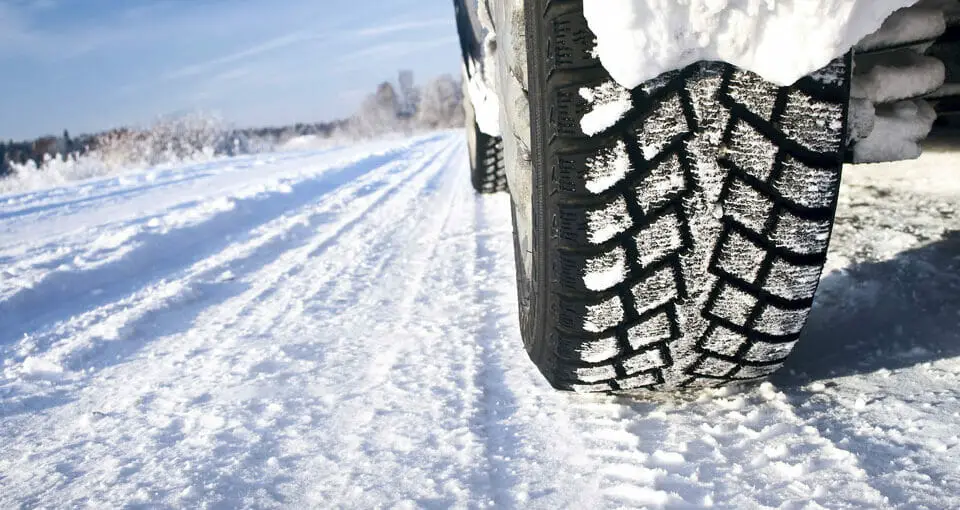
When Do Snow Tires Need to Be on
When do you need to put snow tires on your car? It depends on where you live and how much snow falls in a typical winter. In general, though, it’s a good idea to have snow tires on your car from October through April.
That way, you’ll be prepared for any winter weather that comes your way.
When do you need to put snow tires on your car? It depends on where you live and how often you drive in winter conditions. If you live in an area with frequent snowfall, then it’s a good idea to have snow tires on your car at all times.
If you only get occasional snowfall, then you can wait until the roads are icy before putting them on. Just be sure to give yourself enough time to get them installed before the next storm hits!
Credit: www.lesschwab.com
When Should I Put My Snow Tires On?
When the temperatures start to dip below freezing and snow is in the forecast, it’s time to switch out your regular tires for snow tires. Snow tires are designed with a special tread pattern that helps provide better traction and braking on slippery surfaces like ice and packed snow. They also have a softer compound that stays pliable in colder temperatures, so they can grip the road better.
If you live in an area where it snows regularly, you may want to keep your snow tires on all winter long. But if you only get occasional snowfall, you can probably get by with just putting them on when the weather forecast calls for it. Just be sure to take them off again once the roads have cleared and temperatures have risen above freezing, as they will wear down more quickly on dry pavement.
Can You Leave Snow Tires on All Winter?
There are a lot of different opinions out there about whether or not you should leave your snow tires on all winter. Some people say that it’s fine to do so, as long as you keep an eye on the tread and make sure they’re still in good condition. Others say that it’s best to take them off after the first few months of winter, since the snow and ice can start to wear down the treads.
And then there are those who believe that you should only use snow tires during the heaviest snowfall months and then switch back to regular tires once spring arrives.So, what’s the right answer? Well, it really depends on a few factors.
First, let’s talk about tire wear. If you live in an area with heavy snowfall, leaving your snow tires on all winter will definitely cause them to wear down faster than if you took them off after a few months. However, if you live in an area with lighter snowfall, this probably won’t be as much of an issue.
Just make sure to check your treads regularly and replace them when necessary.Another factor to consider is storage. If you have somewhere safe and dry to store your regular tires during the winter months, then switching back and forth between sets isn’t a big deal.
But if space is limited or you don’t have access to secure storage, it might be better to just leave the snow tires on all season long.Ultimately, it’s up to you whether or not you want to leave your snow tires on all winter long.
When Can I Put My Snow Tires on in Washington State?
It’s that time of year again! The days are getting shorter, the temperatures are dropping and snow is in the forecast. That can only mean one thing – it’s time to switch out your regular tires for snow tires!
But when is the best time to do so?In Washington State, the law requires that vehicles must be equipped with either all-season or mud and snow (M+S) tires on all four wheels from October 1st through May 31st. However, many experts recommend switching to snow tires sooner than the legal deadline.
The reason for this is simple – even if the roads are clear of snow, ice can still form overnight and in shady areas. And once ice forms, it can be very difficult (and dangerous) to drive on. So it’s always better to err on the side of caution and switch to your winter tires as soon as possible.
If you’re not sure whether your vehicle needs all-season or M+S tires, consult your owner’s manual or ask a qualified mechanic. And if you need help installing your new tires, most tire shops will be happy to do it for you.
When Can You Put on Snow Tires in Ma?
It’s that time of year again! The leaves are falling and the temperatures are dropping, which can only mean one thing in Massachusetts – it’s time to start thinking about snow tires. But when is the best time to put them on?
There are a few things to consider when deciding when to switch over to snow tires. The first is the weather forecast. If you know there is a big storm coming, it’s always best to be prepared and have your snow tires ready to go.
Even if the forecast isn’t calling for much snow, but temperatures are consistently below freezing, it may be worth switching over to help improve traction and prevent any sliding or slipping on icy roads.Another thing to keep in mind is the type of vehicle you drive. If you have a four-wheel drive vehicle, you may not need snow tires as they already have increased traction.
However, if you have a rear-wheel drive car or truck, snow tires can help prevent getting stuck in snowy or icy conditions. And if you live in an area with hilly roads, having snow tires can make all the difference in being able to safely get up and down those hills.If you’re still unsure of when exactly to make the switch, a good rule of thumb is around Thanksgiving.
This gives you plenty of time before winter really hits and also allows you to avoid any holiday traffic delays while getting your new tires installed.Whatever your decision ends up being, just remember that safety should always be your top priority when driving in winter weather conditions!
What you need to know about winter tires
Snow Tires above 50 Degrees
When the mercury rises above 50 degrees, it’s time to take the snow tires off your vehicle. That’s because snow tires are designed for cold weather and won’t perform as well in warmer temperatures. They can also cause excessive wear on your car.
So if you’re driving in warm weather, make sure to switch to regular tires.
Best Temperature to Use Winter Tires
As the weather gets colder, you may be wondering what the best temperature is to use winter tires. The answer is actually quite simple – when the temperature drops below 7 degrees Celsius, it’s time to switch out your regular tires for winter ones.Not only do winter tires provide better traction in snowy and icy conditions, but they’re also made of a softer rubber compound that remains flexible even in freezing temperatures.
This means that they’ll provide better grip on cold roads and help you stay in control even when the weather takes a turn for the worse.So if you’re looking to stay safe on the roads this winter, make sure you switch to winter tires as soon as the mercury dips below 7 degrees. It could just be the difference between a safe journey and a dangerous one.
When to Change Winter Tires to Summer
If you live in an area with cold winters and hot summers, you know that it’s important to change your tires when the seasons change. Winter tires are designed to provide better traction and stability in snow and ice, while summer tires are made to withstand the heat and provide good grip on dry roads. Most people switch their tires twice a year, but how do you know when it’s time to make the switch?
There are a few things to consider when deciding when to change your winter tires to summer tires. First, take a look at the tread depth of your winter tires. If they’re starting to get bald, it’s time for new ones.
Even if they still have some tread left, winter tires lose their effectiveness after about five years, so if yours are older than that, it’s probably time for an upgrade.Another thing to consider is the weather forecast. Once temperatures start consistently staying above freezing during the day and there is no more snow in the forecast, it’s time to make the switch.
You don’t want to wait too long, though, as spring rain can quickly turn roads slick – not ideal conditions for summer tires.If you’re unsure whether it’s time to change your winter tires to summer tires or not, err on the side of caution and make the switch sooner rather than later. It’s always better to be safe than sorry when it comes to driving in adverse conditions!
When to Change Snow Tires in Spring
When the weather starts to warm up in spring, it’s time to change your snow tires back to regular tires. This may seem like a simple task, but there are a few things you need to keep in mind to ensure that your tires are properly changed and ready for the warmer weather ahead.First, make sure that you have the right tools for the job.
You’ll need a tire iron and jack, as well as a lug nut wrench. If you don’t have these tools, you can usually find them at your local auto parts store. Second, check your owner’s manual for specific instructions on how to change your particular model of car’s tires.
Third, when you go to remove the snow tires, be sure to break the lug nuts loose before raising the car off of the ground. This will make it much easier to remove the tires once the car is up in the air. Fourth, once the car is raised and all four snow tires are removed, inspect each one for damage.
If there are any cracks or cuts in the treads, it’s time to replace them with new tires. Fifth, put your regular tires back on and tighten down all of the lug nuts securely before lowering your car back down to the ground.Changing your own snow tires can save you money and time compared to taking them into a shop or dealership service department.
Plus, it’s a great way to get familiar with how your car works and what all goes into changing a tire!
Conclusion
When do snow tires need to be on? Most people in snowy climates put their winter or snow tires on around Halloween, but the date can vary depending on when the first significant snowfall is expected. Tire experts say it’s best to wait until after the first big storm to switch out your all-season for winter tires.
That way, you’ll get a chance to see how your current tires perform in wintry conditions and can make an informed decision about whether you need more traction.
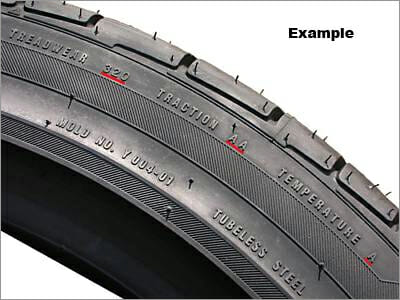
Treadwear 300 Meaning
Treadwear is a measure of how well a tire will resist tread wear under normal driving conditions. The higher the treadwear number, the longer it should take for the tread to wear down. A tire with a treadwear rating of 300 should last three times as long as a tire with a 100 rating.
Does Higher Wear = More Grip? Treadwear Track Test Between Michelin, Goodyear and Toyo!
If you’re shopping for tires, you may have come across the term “treadwear 300.” But what does that mean? Treadwear is a measurement of how well a tire wears.
The higher the number, the longer the tire is expected to last. A treadwear rating of 300 means that a tire should last three times as long as a tire with a treadwear rating of 100. That’s why tires with high treadwear ratings are often used on trucks and SUVs, which tend to see more wear and tear than passenger cars.
Of course, other factors like driving style and road conditions can affect how long your tires will actually last. But if you’re looking for a tire that’s built to last, look for one with a high treadwear rating.
Treadwear Calculator
If you’re shopping for new tires, you may have come across the term “treadwear.” But what is treadwear, and how can it help you choose the right tire for your vehicle?Treadwear is a measure of how well a tire will resist wear over time.
It’s expressed as a number, with higher numbers indicating greater wear resistance. The treadwear rating is determined by testing the tire under controlled conditions on a government-approved test track.You can use the treadwear rating to compare tires from different manufacturers.
For example, if two tires have identical treadwear ratings, they should theoretically wear at the same rate. Keep in mind, however, that other factors such as driving habits and road conditions can affect tire life, so the actual results may vary.When shopping for new tires, be sure to check the treadwear rating and compare it against other brands before making your final decision.
With a little research, you can find the perfect tire for your needs!
Treadwear 300 Traction Aa Temperature a
Treadwear 300 Traction Aa Temperature a:The Treadwear 300 is a tire rating system developed by the Tire Industry Association (TIA) to provide consumers with an indication of a tire’s expected tread life. The Treadwear rating is based on a comparison of the wear rate of a test tire to that of a reference tire.
The test and reference tires are driven on separate courses under controlled conditions, and their performance is monitored throughout the tests.The Traction AA Temperature A ratings indicate that the test tires have achieved excellent traction on both wet and dry surfaces, and they have also shown good resistance to heat build-up.
Treadwear Rating 300
Treadwear rating is a measure of a tire’s resistance to wear. The rating is a number from 1 to 1000, and the higher the number, the more resistant the tire will be to wear. A treadwear rating of 300 means that the tire will last three times as long as a tire with a treadwear rating of 100.
Treadwear ratings are determined by tests conducted by the manufacturer. These tests involve running a test vehicle on a track for 10,000 miles (16,093 km). The amount of wear on the tires is then compared to other tires with different treadwear ratings.
The truth about treadwear ratings is that they’re not always accurate. In fact, some manufacturers have been known to inflate their treadwear ratings in order to make their tires look better than they actually are. If you’re looking for true performance, it’s best to read reviews from independent sources before making your purchase.
Treadwear 320
Treadwear 320 is a type of tire that is designed to provide a longer lasting tread. These tires are often used on vehicles that are driven in off-road or rough terrain conditions. Treadwear 320 tires typically have a thicker tread than other types of tires, which helps to protect the tire from wear and tear.
These tires can also be more expensive than other types of tires, but they may last longer in certain driving conditions.
300 Treadwear Tires Mileage
When it comes to your car, one of the most important aspects is the tires. After all, they are what keep you moving forward and provide the necessary traction to get you where you need to go. That’s why it’s important to choose a tire with the right treadwear rating for your needs.
One option is a 300 treadwear tire. These tires are designed for longevity and can last up to three times longer than standard passenger car tires. They also offer excellent traction in wet or dry conditions and are a great choice for those who do a lot of driving.
If you’re looking for a tire that will give you miles and miles of trouble-free driving, then a 300 treadwear tire is an excellent option. Keep in mind, however, that these tires may not be suitable for everyone. If you do a lot of off-roading or high-speed driving, then you may want to consider another option.
But if you’re just looking for a dependable daily driver tire, then a 300 treadwear tire is definitely worth considering.

Credit: www.tirebuyer.com
What is a Good Treadwear Number?
A good treadwear number is a measure of how well a tire will resist wear over time. The higher the treadwear number, the longer the tire is expected to last. A tires with a treadwear number of 400 is expected to last twice as long as a tire with a treadwear number of 200.
How Long Will 400 Treadwear Tires Last?
Treadwear is a measure of how well a tire resists wear over time. The higher the treadwear number, the longer the tire should last. A tire with a treadwear rating of 400 should last about twice as long as a tire with a 200 treadwear rating.
What is a Good Treadwear on a Tire?
A good treadwear on a tire is one that provides adequate traction and wear resistance for the conditions in which the tire will be used. The treadwear rating is a measure of how well a tire resists wear under controlled laboratory conditions. The higher the treadwear number, the longer it should take for the tread depth to reach the “wear bars” or “tread wear indicators” molded into the bottom of the tread grooves.
These indicators show when it’s time to replace the tire.
Is a Treadwear of 600 Good?
A treadwear of 600 is considered to be good. This means that the tire will last for a long time and will provide good traction on the road.
Conclusion
Treadwear is a measure of how well a tire will resist wear over time. The higher the treadwear number, the longer the tire should last. A treadwear rating of 300 means that the tire should be able to withstand three times as much wear as a tire with a treadwear rating of 100.