
- Home
- Archive: August, 2023
How to Inflate Semi Truck Tires
Assuming you have a semi truck with pneumatic tires, you will need an air compressor and hose to inflate the tires. Most trucks have a 120-150 psi tire pressure, so check your owner’s manual or door placard to be sure. Once you know the correct tire pressure, connect the air compressor hose to the tire valve stem and open up the air flow.
You may need to hold down the valve stem while inflating the tire so that it doesn’t pop off. It’s best to fill up the tire slowly in order to avoid overloading it with too much air at once.
- Park the truck on a level surface and set the parking brake
- Remove the hubcap or wheel cover from the tire you need to inflate
- Find the valve stem on the tire and unscrew the cap from it
- Place the end of your air hose over the valve stem and turn on your air compressor
- Check the pressure gauge on your air compressor to see how much air is going into the tire as it inflates
- Once the tire has reached its proper inflation level, remove the air hose from the valve stem and screw the cap back onto it tightly
How Do You Fill a Semi Truck Tire?
It’s not as easy as you might think to fill a semi truck tire. You have to be careful and methodical in your approach in order to do it correctly and avoid any potential accidents. Here are the steps you need to take:
1. Park the truck on level ground and set the parking brake. You don’t want the truck moving while you’re trying to fill the tire.2. Remove the valve cap from the tire valve stem.
This will allow air to flow into the tire when you start filling it.3. Use an air hose with a chuck adapter to attach it to the tire valve stem. Make sure that the adapter is tight so that air doesn’t escape while you’re filling the tire.
4. Slowly start filling the tire with air, checking the pressure gauge on the air hose often so that you don’t overfill the tire. Once you reach 80% of the recommended pressure forthe tires, stop filling and replacethe valve cap onthe valve stemto prevent any further air from escaping.
How Much Air Should I Put in My Semi Truck Tires?
Truck drivers are responsible for the safety of their vehicles, and one of the most important aspects of truck maintenance is properly inflated tires. Over or underinflated tires can lead to blowouts, which can be dangerous and cause accidents.Most truck tire manufacturers recommend inflating semi truck tires to 80 psi.
However, some drivers inflate their tires to a higher pressure, such as 90 psi, for increased stability on the road. It’s important to consult your truck’s owner’s manual or the tire manufacturer to determine the recommended tire pressure for your specific vehicle.In addition to inflating semi truck tires to the proper pressure, it’s also important to check tire tread depth and wear regularly.
Worn tires can decrease traction and increase the risk of a blowout. Tires should be replaced when they reach 4/32″ tread depth remaining.To summarize, semi truck drivers should maintain proper tire inflation levels (usually 80 psi), check tread depth regularly, and replace worn tires promptly.
Doing so will help ensure safe operation of their vehicles and avoid costly accidents.
How Do You Fill a Truck Tire With Air?
Assuming you don’t have an air compressor at home, the easiest way to fill a truck tire with air is to drive to a gas station that has an air pump. Most pumps will have an adapter that can be attached to the Schrader valve on your tire.If the pump doesn’t have an adapter, you can purchase one at a nearby auto parts store.
Once you have the adapter, attach it to the valve and open up the air pump. If there is a gauge on the pump, make sure that it is set to “PSI” before turning on the pump.As the tire fills up with air, keep an eye on the pressure gauge.
Once the desired pressure has been reached (usually between 30-60 PSI), turn off the pump and remove the adapter from the valve. Be sure to put all of your equipment away so that others can use it!
How Do You Check a Semi Truck Tire?
The first thing you need to do is park the truck on a level surface and set the parking brake. You’ll need to be able to access all sides of the tire, so make sure the truck is far enough away from any obstructions. Once you’ve done that, you can begin checking the tires.
Start by looking at the tread. Check for any obvious signs of wear, such as bald spots or cracks in the rubber. If the tread looks worn, it’s probably time to replace the tire.
Next, check the pressure in all of the tires. Use a tire pressure gauge to get an accurate reading; most trucks should have a maximum pressure of 80 psi. If any of the tires are low on air, fill them up with an air compressor until they reach the proper pressure.
Finally, take a look at each tire’s sidewall for any bulges or cuts. These could be signs that there’s internal damage to the tire and it needs to be replaced before it fails completely.
Semi Truck Tire Inflation System
There are many factors to consider when it comes to inflating semi truck tires. The size and weight of the truck, the type of terrain the truck will be traveling on, and the load the truck is carrying all play a role in how much air pressure is needed in the tires.In order to ensure that your tires are properly inflated, you’ll need a good tire inflation system.
This system should include a quality air compressor, an accurate pressure gauge, and proper hoses and fittings.Using a quality air compressor is important because it will help you get the right amount of air into your tires quickly and efficiently. An accurate pressure gauge is also essential so that you can check that your tires are properly inflated before hitting the road.
Hoses and fittings that are designed for use with semi trucks are also important because they can handle the high volume of air that’s needed to inflate these large tires. Without proper hoses and fittings, you might not be able to get enough air into your tires, which could lead to problems down the road.
Conclusion
If you’re a truck driver, then you know how important it is to have properly inflated semi truck tires. Not only do they keep your rig running smoothly, but they also help improve fuel economy. Here’s a quick guide on how to inflate semi truck tires:
First, use a tire pressure gauge to check the air pressure in all of your tires. It’s important to do this regularly, as even a small drop in air pressure can impact your mileage and performance.Next, use an air compressor to add air to your tires as needed.
If you don’t have access to an air compressor, most gas stations will have one that you can use for a small fee. Just be sure to attach the hose firmly to avoid any leaks.Finally, double-check the pressure in all of your tires once again before hitting the road.
This will ensure that they’re properly inflated and ready for whatever challenges lie ahead.
How to Clean Brake Dust off Tires
If your car has disc brakes, you’ve probably noticed a black powdery substance on your wheels after driving. This brake dust is made up of bits of metal and carbon from the brake pads that rub off every time you use your brakes. While it’s not harmful to humans, it can be difficult to clean off and if left unchecked, can damage your wheels.
- Begin by parking your car on a level surface and engaging the emergency brake
- Next, locate the brake dust cover on your tires
- These are typically located near the center of the wheel
- Use a Phillips head screwdriver to remove the screws that secure the brake dust cover to the tire
- Once the screws have been removed, gently pry off the brake dust cover with your fingers or a flathead screwdriver
- Be careful not to damage or scratch the surface of your tires in this process
- With the brake dust cover removed, use a clean cloth soaked in soapy water to wipe away any residual dirt or debris from around the area where the cover was attached
- Rinse off your cloth and repeat step five as necessary until all of the brake dust has been removed from your tires
Homemade Brake Dust Cleaner
If your wheels are looking dingy and covered in brake dust, you can clean them with a homemade brake dust cleaner. This cleaner is made with just a few simple ingredients that you likely already have in your home.To make the cleaner, mix together 1 cup of water, 1/2 cup of white vinegar, and 1 tablespoon of baking soda.
Pour the mixture into a spray bottle and spritz it onto your wheels. Let the cleaner sit for a few minutes before scrubbing with a brush or cloth. Rinse the wheels well with water and dry them off to reveal shiny, clean wheels!
What is the Fastest Way to Remove Brake Dust?
Brake dust can be a pain to remove, but there are a few ways to make the process easier. The first step is to wet the area with water. This will help to loosen up the brake dust and make it easier to remove.
Next, use a brush or cloth to gently scrub the area. Be sure to use circular motions and apply gentle pressure so you don’t damage the surface. Finally, rinse off the area with clean water and dry it off with a soft cloth.
If you’re looking for a more thorough cleaning, you can also try using a cleaner specifically designed for removing brake dust. These products usually come in aerosol form and can be sprayed directly onto the affected areas. Simply follow the instructions on the packaging and then rinse away any remaining residue with clean water.
How Do You Clean Brake Dust Without Removing Wheels?
Brake dust can be a pain to clean, especially if you don’t want to remove your wheels. Here are a few tips on how to clean brake dust without removing wheels:1. Use a hose with high pressure setting and direct the spray towards the area where the brake dust is settled.
2. Use a brush attachment on your hose to scrub away the brake dust.
3. Rinse off the area with water.
4. Repeat steps 1-3 until all of the brake dust is removed.
What is the Best Cleaner to Remove Brake Dust from Rims?
If you’re looking to remove brake dust from your rims, there are a few different cleaners that can do the job. One option is to use a wheel cleaner specifically designed for removing brake dust. These cleaners often come in aerosol sprays, making them easy to apply.
Another option is to use a household cleaner like vinegar or baking soda mixed with water. For tougher brake dust buildup, you may need to scrub the area with a brush before rinsing it clean. Whichever cleaner you choose, be sure to test it on a small area of your rim first to ensure it won’t damage the finish.
How Do You Remove Embedded Brake Dust?
If you’re like most car owners, you probably don’t think much about your brakes until there’s a problem. But brake maintenance is important to prevent big problems down the road. Part of maintaining your brakes is keeping them clean, which means removing any brake dust that has accumulated.
Brake dust is made up of tiny particles of metal and other materials that are worn away every time your brakes are used. Over time, these particles can build up on your wheels and cause them to look dull and dirty. If left unchecked, brake dust can also damage your wheels and affect their performance.
The good news is that brake dust is relatively easy to remove with the right tools and techniques. Here’s how to do it:1. Start by cleaning your wheels with soap and water to remove any dirt or grime.
Be sure to rinse them thoroughly afterwards.2. Next, apply a generous amount of wheel cleaner to each wheel and allow it to dwell for a few minutes according to the manufacturer’s instructions. This will help loosen the brake dust so it’s easier to remove later on.
3 . Once the cleaner has had a chance to work its magic, use a soft-bristled brush (like an old toothbrush) to scrub away any remaining brake dust from each wheel surface . Start at the top of the wheel and work your way around in small circles until all of the Brake Dust Is removed .
Rinse eachwheeloffwithcleanwater whenyou’ re done . Repeat this process as necessary until allofyourwheelsare cleanandfreeofbrakedust .
Conclusion
Brake dust is a common problem for car owners, and it can be tough to clean off. However, there are a few methods you can use to get rid of it. One way is to use a commercial cleaner specifically designed for brake dust.
Another option is to mix up your own cleaning solution using dish soap and water. You can also try using WD-40 or white vinegar. Whichever method you choose, be sure to rinse the area well afterwards to avoid damaging your tires.
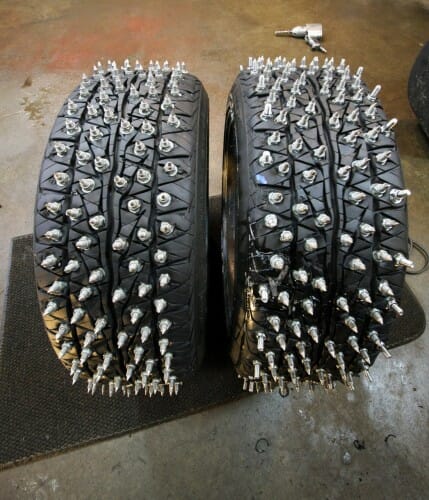
How to Make Ice Racing Tires
Ice racing tires are an essential piece of equipment for anyone who wants to race on icy surfaces. They provide grip and traction that regular tires can’t provide, and they’re also designed to withstand the cold temperatures that are common in wintertime racing conditions. Here’s a quick guide on how to make your own ice racing tires.
- Obtain a set of racing tires specifically designed for use on ice
- These tires will have a special tread pattern that helps to grip the ice and keep the car from sliding
- Make sure the tires are properly inflated
- Overinflated tires can actually make it more difficult to grip the ice, so it is important to follow the manufacturer’s recommendations for tire pressure
- Install the tires onto your car
- Make sure that they are mounted correctly and securely before heading out onto the track or course
- Once you’re on the track or course, take things slowly at first until you get a feel for how your car is handling with the new ice racing tires
How to build Ice Racing Tires
How Do You Make Ice Tires?
If you live in a cold climate, ice tires may be something you’ve considered purchasing. But how are they made? And what exactly do they do?
Ice tires are specially designed to provide better traction on icy roads. They typically have a tread pattern that is different from regular tires, and they may also be made of different materials. Some ice tires even have metal studs embedded in the tread to help grip the road.
So how are they made? The process begins with a regular tire that is cut down to size. Then, the tread pattern is cut into the tire using a special machine.
After that, the studs are added (if desired) and the tire is ready for use!Ice tires can make a big difference when driving on slippery roads. If you live in an area where winter weather can be treacherous, it may be worth investing in a set of ice tires for your car.
How Do You Stud Atv Tires for Ice Racing?
When it comes to ice racing, there are a few things you need to take into account in order to be successful. One of those things is having the right tires for the job. In this article, we will go over how to stud ATV tires for ice racing so that you can be prepared for your next race.
First and foremost, you need to make sure that you have the correct size tire for your ATV. You also want to make sure that the tread on your tires is not too worn down. Once you have the right size tire, it’s time to start adding studs.
There are a few different ways that you can add studs to your tires. The most common way is to use pre-made studs that come in a kit. These kits usually contain enough studs for two tires and they’re relatively easy to install.
Another option is to buy loose studs and install them yourself. This option is a little more time consuming but it does allow you more control over where the studs are placed. Either way, you’ll want to start by addingstuds around the perimeter of the tire tread.
Once all of the studs are in place, it’s timeto test them out. The best wayto do this is by taking your ATV out onto some ice and seeing how well it handles. If everything feels good, then you’re ready for race day!
Can You Put Studs on Motorcycle Tires?
One of the most frequently asked questions we get here at BikeBandit.com is, “Can you put studs on motorcycle tires?” The quick answer is yes, but there are a few things to keep in mind before making the switch from regular tread to studded tires. Here’s what you need to know about studded motorcycle tires.
The Advantages of Studded TiresIf you live in an area where snow and ice cover the roads for several months out of the year, then studded tires can offer some serious advantages over regular tread. The metal studs embedded in the tire provide much better traction on slick surfaces, which means you’re less likely to slip and slide when conditions are treacherous.
Another advantage of studded tires is that they can help reduce noise while riding. The metal studs act as a kind of muffler, absorbing some of the sound vibrations that would normally be emitted by your bike’s engine and exhaust system. If you live in an urban area and do a lot of night riding, this can be a significant benefit.
Things to Consider Before Switching to Studded Tires
How Do You Stud a Go Kart Tire?
If you’re new to karting, you may be wondering how to stud a go kart tire. The good news is that it’s not as difficult as it may seem. Here’s a step-by-step guide to help you get started:
1. Start by inflating your tire to the recommended pressure. This will vary depending on the type of tire and kart you have, so be sure to check with your karting instructor or track manager for guidance.2. Once the tire is inflated, use a sharp object (such as a screwdriver or nail) to puncture small holes into the tread pattern of the tire.
It’s important to make sure that the holes are evenly spaced out around the circumference of the tire.3. Next, insert metal studs into each of the holes you’ve just created. Again, there are various types of studs available on the market, so be sure to select ones that are compatible with your particular setup.
4. Finally, use a lug nut wrench (or similar tool) to tighten each stud in place. Be careful not to over-tighten them, as this could damage both the studs and the tires themselves.And that’s all there is to it!

Credit: www.dragzine.com
How to Make Ice Tires
If you live in a cold climate, then you know the importance of having good tires on your car. Ice tires are specially designed to grip the road and provide traction in icy conditions. Here’s how to make your own ice tires:
1. Start by getting some tire chains. You’ll need enough to go around all four of your tires.2. Next, find some large pieces of ice.
These will serve as the “tires” for your car.3. Place the chains around each piece of ice, making sure that they’re tight.4. Now it’s time to put the ice tires on your car!
Simply drive over them and they’ll attach themselves to your wheels. Be careful not to go too fast, though, as you don’t want the chains to come off.5. That’s it!
You’re now ready to hit the road with your brand new ice tires!
Conclusion
Ice racing is a type of motorsport that takes place on a frozen lake or track. It requires special tires that are designed to grip the ice and provide traction. There are a few different ways to make ice racing tires, but the most common method is to use studs.
Studs are metal spikes that are screwed into the tread of the tire. They provide extra grip by biting into the ice. The downside of studded tires is that they can damage the surface of the ice, making it more difficult for other racers to compete.
Another way to make ice racing tires is to use a special rubber compound that is designed to remain soft in cold temperatures. These tires do not need studs and will not damage the surface of the track. However, they may not provide as much traction as studded tires.
How to Pronounce Michelin Tires
Michelin tires are one of the most popular brands of tires on the market. But how do you pronounce Michelin? The correct pronunciation is “mee-shell.”
Here’s a breakdown of the word and how to say it correctly.Michelin is a French company that has been around since 1889. The name comes from the founders, Édouard Michelin and André Michelin.
The company is headquartered in Clermont-Ferrand, France.
- Listen to the audio file of the word “Michelin
- Break the word down into its individual sounds
- Pay attention to the placement of stress on each syllable
- Repeat the word several times, making sure to pronounce it correctly each time
How Do You Pronounce Michelin Tire?
Michelin tires are French and the company is headquartered in Clermont-Ferrand in the Auvergne-Rhône-Alpes region of France.
How Do You Spell Michelin As in Michelin Tires?
Michelin is a French company that produces tires for automobiles, motorcycles, and bicycles. The word Michelin is written with an accent over the first e, which indicates that it should be pronounced “mee-sheh-lawn.” The correct spelling of the company’s name is thus MICHELIN.
Is Michelin Tires the Same As Michelin Star?
No, Michelin tires are not the same as Michelin star. The Michelin star is a rating system used by the Michelin Guide to grade restaurants. It has nothing to do with tires.
How Do You Spell Michelin Tyres?
Michelin tyres are spelled with an “i” after the “e.” The French company that produces them is called Michelin, and the tyres are sometimes referred to as Michelins.
How to Pronounce Michelin Man
If you’ve ever been to a French restaurant, you may have noticed a little man with a big belly and a Michelin tire around his waist. This is the Michelin Man, and he’s the unofficial mascot of the Michelin tire company. The Michelin Man was created in 1898 by French cartoonist O’Galop.
His name is derived from the company’s flagship product, the Michelin tire.The Michelin Man is one of the world’s oldest corporate mascots, and his image has undergone several changes over the years. Today, he’s most commonly seen as a chubby white guy with rosy cheeks and a big smile.
But originally, he was depicted as a skeletal figure made entirely out of tires. In fact, his original name was “Bibendum,” which is Latin for “drinkable.”So how do you pronounce “Michelin Man?”
Well, it’s not as simple as it looks. The correct pronunciation is actually “mee-shell-ahn mahn.” But don’t worry if you can’t say it perfectly – chances are, nobody will notice if you mispronounce it.
Conclusion
Michelin is a French company that produces tires for automobiles, motorcycles, and bicycles. The Michelin brand is well-known in the automotive industry and is considered to be one of the best tire brands available. When pronouncing Michelin, the emphasis should be placed on the first syllable – “mi.”
The second syllable should be pronounced with a soft “ch” sound, and the final syllable should be pronounced with a hard “n” sound.
How to Put Air in Motorhome Tires
Assuming you have a standard motorhome, the process of adding air to your tires is pretty straightforward. You’ll need to locate the valves on each tire – they’re usually on the stem near where the rim meets the tire. Once you’ve found them, use an air compressor or hand pump to add air to each tire until it’s at the correct pressure.
The owner’s manual for your motorhome will have the recommended PSI (pounds per square inch) for each tire, so be sure to check that before inflating them.
- Park your motorhome on a level surface and set the parking brake
- Locate the tire valves at the base of each tire
- Remove the valve caps from each tire
- Attach an air compressor hose to the valve stem of one tire and turn on the air compressor
- Monitor the gauge on the air compressor to add air to the tires until they reach the desired pressure level as indicated in your vehicle’s owner manual
- Repeat steps 4 and 5 for each remaining tire, then replace all valve caps when finished
How to Inflate Dual Rv Tires
If you have a RV with dual tires, you’ll need to know how to inflate them properly. Here’s what you need to do:1. Park your RV on level ground and set the parking brake.
2. Locate the inflation valves for each tire. These are usually located near the center of the wheel.3. Use an air compressor or hand pump to add air to each tire, checking the pressure with a gauge as you go.
The ideal pressure will vary depending on your RV’s make and model, so consult your owner’s manual for guidance.4. Once all tires are inflated to the proper pressure, replace the valve caps and put away your equipment.
How Do You Air Up a Motorhome Tire?
Motorhome tires need to be inflated to the correct pressure in order to function properly. The first step is to check the owner’s manual to find out what that pressure should be. Once you know the target pressure, use a quality air gauge to check the current pressure of each tire.
If any tire is low, use an air compressor to add air until it reaches the desired level.It’s important to note that overinflating tires is just as dangerous as underinflating them. Be sure not to exceed the maximum inflation pressure listed on the sidewall of each tire.
Additionally, avoid using a “quick-fill” button on air compressors, as this can lead to overinflation.
How Much Air Should I Put in My Motorhome Tires?
You should always consult your motorhome’s owner’s manual for the recommended tire pressure. This is because the ideal tire pressure for your motorhome can vary depending on the make, model, and year. That being said, a good rule of thumb is to inflate your motorhome tires to the maximum psi (pounds per square inch) that is listed on the sidewall of the tire.
It’s important not to overinflate your tires as this can cause them to wear prematurely and may even lead to a blowout. Conversely, underinflated tires will also lead to premature wear as well as decreased fuel economy. In addition, underinflated tires are more susceptible to damage from potholes and other road hazards.
To ensure that your tires are properly inflated, it’s best to use a digital tire gauge rather than relying on the analog gauges at gas stations. These are more accurate and will give you a precise reading of how much air is in each tire.
Should I Inflate Motorhome Tires to Max Psi?
While it is always important to consult your motorhome’s owner’s manual first, in general, you should inflate your motorhome tires to the maximum psi (pounds per square inch) rating. This is especially important if you will be carrying a heavy load or traveling at high speeds.Overinflating your tires can lead to a blowout, so be sure to check the pressure regularly and keep an eye out for any signs of excessive wear.
If you have any doubts, err on the side of caution and inflate to a lower psi.
How Do You Fill the Inside of an Rv Tire?
RV tires are designed to be filled with air just like any other vehicle tire. The recommended pressure for most RV tires is between 65 and 80 PSI. To fill an RV tire, you will need an air compressor and a tire pressure gauge.
Start by attaching the air compressor to the tire valve. Then use the tire pressure gauge to check the current pressure in the tire. If the reading is below 65 PSI, slowly add air until it reaches that level.
Once the desired pressure is reached, remove the air compressor from the valve and replace the cap on the valve stem.
Conclusion
If you have a motorhome, it’s important to know how to put air in the tires. This can be done at a gas station or with a portable air compressor. You will need to check your tire pressure regularly and add air as needed.
It’s also a good idea to keep an eye on your tires for any signs of wear and tear.
How to Mount Beadlock Utv Tires
If you’re looking to add beadlock utv tires to your off-road vehicle, there are a few things you need to know first. Beadlock tires are designed for extreme off-roading and provide additional grip and traction on uneven terrain. They’re also great for airing down your tires for more traction without fear of the tire coming off the rim.
Here’s a step-by-step guide on how to mount beadlock utv tires so you can hit the trails with confidence.
- Park your vehicle on a level surface and set the parking brake
- Place a jack under the frame of the vehicle and lift it up so that the tire is off the ground
- Remove the lug nuts from the wheel using a socket wrench and set them aside in a safe place
- Pull the wheel off of the axle and set it aside
- Take the beadlock ring out of its packaging and fit it over the tire, lining up the bolt holes with those on the rim
- Insert bolts into each hole and tighten them down with a socket wrench, being careful not to overtighten as this could damage the ring or tire
- Repeat steps 2-6 for each wheel that you wish to mount beadlock rings on
Do Utv Beadlock Wheels Leak Air?
Beadlock wheels are a type of wheel that helps to keep the tire in place on the wheel. The beadlock ring is bolted onto the wheel and clamps down on the tire bead, holding it in place even when aired down for off-roading. This gives you more grip and traction on uneven surfaces.
One potential downside of beadlock wheels is that they can leak air. If not installed correctly, the beadlock ring can loosen and allow air to escape from the tire. This can be dangerous if you’re driving on a rough trail and your tire loses pressure suddenly.
Always check your beadlocks before heading out on a ride, and tighten them if necessary.
How Do You Put Beadlocks On?
Beadlocks are one of the most important safety devices on a vehicle, particularly if you’re running off-road. They keep your tires from coming off the wheels, even when they’re deflated or damaged. Here’s how to put them on.
1. Remove the old tire and wheel from your vehicle. If you’re just replacing a tire, you can skip this step.2. Place the new beadlock ring onto the wheel.
Make sure that the lip is facing outwards so that it will be able to grip the tire once it’s in place.3. Put the new tire onto the wheel, being careful not to damage the beadlock ring in the process. You may need to use a lever or some other tool to get the tire over the lip of the beadlock ring.
4. Inflate the tire until it is at its proper pressure for driving on-road (usually around 35 psi). Do not exceed 80 psi or you risk damaging the beadlock ring orwheel itself.5. Drive slowly and carefully at first, checking frequently to make sure that everything seems normal with your new beadlocks before heading out onto more difficult terrain.
How Long Does It Take to Mount Beadlocks?
It typically takes around an hour to properly mount beadlocks. This process can be shorter or longer depending on the tools and experience available. The most important thing is to make sure that the beadlocks are mounted correctly, as this will ensure a safer and more reliable ride.
Do Beadlocks Go on Both Sides?
Just like with any other kind of wheel, beadlocks can be mounted on either side of the vehicle. The main advantage of having beadlocks is that they help to keep the tire beads in place, even when driving on rough or off-road terrain. This can be a lifesaver if you happen to get a flat tire while out on the trail.
However, it’s important to note that not all beadlocks are created equal. Some models are designed for use on one side only, so be sure to check the manufacturer’s instructions before installation. Additionally, using beadlocks on both sides of the vehicle can put additional stress on the wheels and may void your warranty.
How to Install Beadlocks Drag Wheels
Whether you’re a beginner or a pro, installing beadlocks on your drag wheels is a fairly simple process that anyone can do. Here’s a step-by-step guide on how to install them so you can start enjoying the benefits of beadlocks!What You’ll Need:
-Beadlock rings-Wheel spacers (if necessary)-High strength thread locker/sealant
-Socket wrench and various sockets/extensions-Torque wrench1. Start by loosely attaching the beadlock rings to the wheel using the provided bolts.
If your wheel has recessed bolt holes, you may need to use wheel spacers to ensure that the beadlock bolts are long enough to reach the threads.2. Once all of the rings are in place, go back and tighten each one down evenly until they’re snug against the wheel. Make sure not to overtighten as this can strip the threads or damage the ring.
3. Now it’s time to apply thread locker or sealant to each bolt before final tightening. This will help keep everything in place once you start driving on them. Again, tighten each bolt evenly until everything is secure.
4. The final step is to torque each bolt down to the manufacturer’s specifications using a torque wrench . This is important as it ensures that everything is properly secured and won’t come loose while you’re driving.And that’s it!
You should now have properly installed beadlocks on your drag wheels which will help prevent tire slippage under hard acceleration .
Conclusion
If you’re looking to mount beadlock UTV tires, there are a few things you need to know. First, you’ll need to purchase a beadlock mounting kit. These kits usually come with everything you need to get the job done, including the beadlocks themselves and the necessary tools.
Once you have your kit, follow these steps to get your tires mounted:1. Clean the beads of your UTV tires with alcohol or soap and water. This will help the beadlocks adhere better.
2. Place the beadlocks onto the tire beads, making sure they’re evenly positioned around the circumference of the tire.3. Use the provided tool to tighten down each of the beadlock bolts until they’re snug. Do not overtighten them, as this can damage the beadlocks or cause them to leak air.
4. Inflate your UTV tires to their recommended pressure levels and enjoy!
How Much to Put Snow Tires on Car
During the winter months, it is important to have snow tires on your car. They provide extra traction and grip on icy or snowy roads. Many people wonder how much they should spend on snow tires.
The answer depends on a few factors.
If you live in an area where it snows, you may be wondering how much to put snow tires on your car. The answer depends on a few factors, including the severity of the winter weather and the type of vehicle you drive.For most people, putting snow tires on all four wheels is the best option.
This will give you the best traction and control on icy or snowy roads. If you have a front-wheel drive car, you may be able to get away with just putting snow tires on the front wheels. But if you’re not sure, it’s always best to err on the side of caution and put them on all four.
Another factor to consider is the tread depth of your current tires. If they don’t have much tread left, they won’t provide as much traction in winter weather. So it’s a good idea to replace them with new ones before the winter season starts.
Finally, make sure you know how to properly install and remove snow tires. It’s not as difficult as it sounds, but if you’ve never done it before, it’s best to watch a video or read some instructions before attempting it yourself. With a little preparation, you can ensure that your car is ready for whatever winter throws your way!
Winter Tire Changeover Cost Discount Tire
As the colder months approach, now is the time to start thinking about changing over your tires. If you live in an area with snow and ice, it’s important to have winter tires that can provide extra traction. Discount Tire is offering a winter tire changeover cost discount to help you save on this necessary purchase.
Here’s what you need to know about the winter tire changeover cost discount from Discount Tire:-The discount is available on any set of 4winter tires purchased from Discount Tire.-The maximum savings per set of 4 tires is $200.
-The offer is valid through November 30, 2020.So if you’re in need of new winter tires, be sure to take advantage of this great offer from Discount Tire!
How Much Does It Cost to Put 4 Tires on a Car?
It can cost anywhere from $100 to $1,000 to put 4 new tires on a car. The exact price will depend on the make and model of the car, as well as the type of tire being purchased. Some high-end tires can cost upwards of $400 each, while more budget-friendly options may be closer to $100 each.
Ultimately, it is important to consult with a professional to get an accurate estimate for what it will cost to outfit your car with new tires.
Is It Worth Putting Snow Tires On?
Most people in snowy areas will tell you that it is worth putting snow tires on your car. They can make a big difference in how well your car handles in the snow and can help you avoid accidents. Some people think that all-season tires are just as good as snow tires, but they are not.
All-season tires are made to perform well in a variety of conditions, but they are not designed for driving in deep snow or on ice. Snow tires have special tread patterns and rubber compounds that make them grip the road better in cold weather. They also have deeper treads than all-season tires, which helps them clear away snow and prevent build-up on the roads.
Should I Put 2 Or 4 Snow Tires on My Car?
Assuming you’re talking about all-season tires:Most people opt for 4 tires because it provides the best stability and grip for your vehicle. Having 2 new tires and 2 old ones can create an imbalance that makes your car more difficult to handle, especially in slippery conditions.
It’s also harder on your car’s suspension and can lead to premature wear.If you live in an area with light snowfall and good road maintenance, you might be able to get away with just putting 2 new snow tires on the front axle. This is common among front-wheel drive cars since the front wheels do most of the work when it comes to steering and braking.
Plus, if you get stuck, you can always put your car in reverse and back out!
How Much Does It Cost to Put Tires on Rims?
It can cost anywhere from $40 to $200 to put tires on rims. The price depends on the type of tire, the size of the rim and the geographical location.
Conclusion
In the winter, it’s important to have snow tires on your car. But how much should you put on your car? The answer depends on a few factors.
First, consider the size of your car. If you have a smaller car, you’ll need less snow tires than if you have a larger car. Second, think about the conditions in your area.
If it snows a lot where you live, you’ll need more snow tires than if it only snows occasionally.Finally, think about how often you drive in the snow. If you only drive in the snow occasionally, you can get by with fewer snow tires than if you’re driving in the snow all the time.
With all these factors considered, decide how many snow tires you need for your car and be safe out there this winter!
How to Make Tires Black And Shiny
If you want your tires to look black and shiny, there are a few things you can do. First, make sure they’re clean. Use a tire cleaner or soap and water to remove any dirt or grime.
Once they’re clean, dry them completely. Then, apply a tire dressing. You can use a spray-on dressing or a gel-type dressing.
Let the dressing sit for a few minutes before wiping off any excess. Finally, apply a protectant to help keep your tires looking good and extend their life.
- Purchase a tire shine product of your choice
- There are many different brands and formulas available on the market, so choose one that best suits your needs
- Clean your tires with soap and water to remove any dirt or grime
- Rinse them off and let them dry completely before proceeding
- Apply the tire shine product evenly to all surfaces of the tires using a sponge, brush, or applicator pad (depending on what came with the product)
- Let the formula sit for the recommended amount of time before wiping it away with a clean cloth
What is the Best Homemade Tire Shine
There are a lot of different ways that you can make your tires shine, but what is the best way? Here are a few things to consider when trying to find the best homemade tire shine:-The type of tire that you have.
Some tires are made from different materials than others and will require different products in order to get them clean and shining.
-How dirty your tires are. If they’re just a little dusty, you might be able to get away with using something like baby powder or cornstarch.
If they’re really dirty, you’ll need something stronger like WD-40 or vinegar.
-How much time you have. If you’re in a hurry, you might not have time to let something like WD-40 soak into the tire before wiping it off.
In that case, using baby powder or cornstarch would be quicker since they don’t need to soak in.Assuming that you want an all natural product, here is one recipe for a homemade tire shine:
1 cup of water
1/4 cup white vinegar
1/4 cup apple cider vinegar
2 tablespoons olive oil
2 tablespoons lemon juiceMix all ingredients together in a spray bottle and shake well before each use.
How Can I Make My Tires Shine?
Assuming you would like tips on how to make your car’s tires shine:There are a few different ways that you can make your car’s tires shine. You can use a commercial tire dressing, which you can find at most auto stores.
Or, you can make your own tire dressing using a combination of water, vinegar, and olive oil.To apply the commercial tire dressing, simply spray it on and then wipe it off with a clean rag. For the homemade version, mix together 1 cup of water, 1/2 cup of vinegar, and 1/4 cup of olive oil.
Apply this mixture to your tires with a clean rag. Let it sit for 10 minutes, then wipe it off.
What Product Makes Tires Shiny?
There are a few products on the market that can make tires shiny. One is called Tire Dressing and it is applied to the surface of the tire. This product will give the tire a wet look and can be found at most auto parts stores.
Another option is called Tire Gel and it also comes in a spray bottle. This product will give the tire a more natural look by coating it with a gel.
Can I Use Wd 40 to Shine My Tires?
If you’re looking for a quick and easy way to shine your tires, WD-40 is a great option. This all-purpose lubricant can help give your tires a deep, long-lasting shine. Simply spray WD-40 onto a clean cloth and wipe it over your tires in a circular motion.
Let the WD-40 sit on the tires for a few minutes before wiping it off with another clean cloth. You’ll be left with shiny, protected tires that will last for weeks!
Conclusion
Assuming you would like a summary of the blog post titled “How to Make Tires Black And Shiny”:The author starts by giving some tips on how to clean your tires before beginning the process of making them black and shiny. They recommend using a tire cleaner and brush to get rid of any dirt or grime that may be on the tires.
Once the tires are clean, you can start applying the blackening agent. The author recommends using a product called “Black Magic Tire Shine” for best results. They also suggest using gloves and old clothes when applying the product, as it can be quite messy.
Once the product is applied, you simply need to let it dry and enjoy your new shiny tires!
How Long to Michelin Tires Last
Michelin tires are some of the most popular on the market, and for good reason. They consistently rank among the top performers in terms of safety, handling, and fuel economy. But one thing that potential customers always want to know is how long Michelin tires last.
The answer isn’t as simple as you might think.There are a number of factors that can affect how long Michelin tires last, including driving habits, road conditions, and even the climate. In general, though, you can expect Michelin tires to last anywhere from 40,000 to 50,000 miles.
Of course, this is just an estimate – some drivers may get more miles out of their Michelin tires while others may get fewer.
Michelin tires are some of the most popular on the market, and for good reason. They offer great performance and durability. But how long do they actually last?
It depends on a few factors, including driving habits and conditions. On average, though, Michelin tires can last anywhere from 40,000 to 80,000 miles. So if you take care of them and don’t push them too hard, you can expect to get a good amount of use out of them.
Of course, as with anything else, there are always exceptions. Some people have had Michelin tires that only lasted 20,000 miles or less. And while that’s not ideal, it’s still better than many other brands out there.
If you’re looking for a tire that will give you good mileage and performance, Michelin is a great option. Just make sure to keep an eye on them and replace them when necessary and you’ll be able to enjoy their benefits for many miles to come.
How Long Do Michelin Tires Last on Average?
Michelin tires are known for their quality, durability and performance. So, how long do Michelin tires last on average?Michelin tires are designed to last for the life of your vehicle.
However, they will eventually wear out and need to be replaced. The average lifespan of a Michelin tire is about 50,000 miles.Of course, this is just an average and some Michelin tires may last longer or shorter depending on a number of factors.
For example, how well you maintain your tires and how often you drive on them can affect their lifespan. Additionally, driving habits (such as aggressive driving or frequently braking) can also shorten the lifespan of your Michelin tires.If you take good care of your Michelin tires and drive sensibly, you can expect them to last for many years.
And when it’s finally time to replace them, you can be confident that you’re getting another high-quality product that will provide excellent performance and longevity.
How Long Should Tires Last on Average?
Tires are one of the most important parts of your car, and they need to be in good condition to ensure a smooth ride. So, how long do tires last on average?It depends on a number of factors, including the type of vehicle you drive, how often you use your car, and the quality of the tires.
In general, though, most tires should last for at least three or four years.If you take good care of your tires and don’t abuse them, they can last even longer. For example, if you only drive your car on paved roads and avoid potholes and other obstacles, your tires will last longer than if you frequently take them off-road.
Of course, even the best-cared-for tires will eventually wear out and need to be replaced. When that time comes, make sure to buy high-quality replacement tires so that you can keep enjoying a safe and comfortable ride.
How Reliable are Michelin Tires?
Michelin tires are some of the most reliable on the market. They are known for their durability and performance in all kinds of driving conditions. Michelin has been making tires since 1889, and they have a reputation for quality.
In addition to being durable, Michelin tires are also designed to provide good traction and handling. They offer a wide range of tires for different vehicles and driving needs. Whether you need tires for your car, truck, SUV, or motorcycle, Michelin has a tire that will suit your needs.
How Long Do Michelin Run Flat Tires Last?
Michelin run flat tires are designed to provide temporary continued use after a puncture or loss of pressure. They can be used for up to 50 miles at 50 mph. After that, you will need to replace them.
The lifespan of Michelin run flat tires depends on how well they are maintained and how often they are used.
How Long Do Michelin Defender Tires Last
Michelin Defender tires are designed to provide lasting performance and value. With proper care and maintenance, they can last up to 50,000 miles. Here are some tips to help you get the most out of your Michelin Defenders:
-Check tire pressure regularly and inflate to the recommended level. This will help prevent premature wear.-Rotate your tires every 5,000 miles or according to your vehicle’s owner’s manual.
This helps distribute wear evenly and prolongs tire life.-Avoid excessive speed and driving habits that may cause premature tire wear, such as hard braking or accelerating.By following these simple tips, you can help ensure that your Michelin Defender tires provide long lasting performance mile after mile.
Conclusion
Assuming you are talking about the blog post titled “How Long do Michelin Tires Last” found at https://tirebuyer.com/education/michelin-tires-last/, here is a summary:Michelin tires are known for their quality, and many people wonder how long they will last. The answer depends on a few factors, including driving habits and terrain.
Generally speaking, though, Michelin tires will last between 40,000 and 50,000 miles.
How to Get Tar off Your Car Tires
If you’ve ever driven on a tar-covered road, you know how difficult it can be to remove the sticky substance from your car tires. Tar can build up on your tires and cause them to lose their grip on the road, which can be dangerous. It can also be difficult to clean off your tires if you don’t know how.
- Use a putty knife or similar object to scrape the tar off of the tire
- If the tar is still not coming off, use a garden hose to spray down the tire and loosen the tar
- Once the tar is loose, use a cloth or rag to wipe it away
- Repeat steps 2-3 as necessary until all of the tar is removed from the tire
Wd40 to Remove Tar from Tires
If you’re looking for an easy and effective way to remove tar from your tires, look no further than WD-40. This versatile product can be used for a variety of tasks, including removing tar from tires. Simply spray WD-40 onto the affected area and let it sit for a few minutes before wiping it away with a clean cloth.
You’ll be amazed at how easily the tar comes off, leaving your tires looking like new!
Does Wd-40 Remove Tar from Tires?
WD-40 is a popular product that is used for a variety of purposes, including removing tar from tires. While WD-40 can remove tar from tires, it is not the best option for this task. There are other products that are specifically designed to remove tar from tires and these products will be more effective than WD-40.
Can You Drive With Tar on Your Tires?
If you have tar on your tires, it is best to remove it before driving. Tar can be difficult to remove once it has hardened, so it’s best to take care of it as soon as possible. There are a few ways to remove tar from your tires.
You can use a commercial tar remover, or you can make your own cleaning solution with household items.To make your own tar remover, mix one part dish soap with two parts warm water. Apply the solution to the affected area with a clean cloth and scrub until the tar comes off.
Rinse the area with clean water and dry with a towel.If you’re using a commercial tar remover, follow the instructions on the product label. Most products will require you to apply the solution to the affected area and let it sit for several minutes before scrubbing and rinsing away.
Once the tar is gone, wash your tires with soap and water to remove any residue from the cleaners used.
How Do You Get Tar And Gravel off of Tires?
If you’ve ever driven on a gravel road, you know that it can be pretty tough on your tires. Over time, the tar and gravel can build up and cause serious damage to your tires. So how do you get rid of it?
The best way to remove tar and gravel from your tires is to use a tire brush. This will help loosen the debris so that you can then wash it away with soap and water. If you don’t have a tire brush, you can also use an old toothbrush or even a piece of sandpaper.
Just be sure to scrub gently so as not to damage the tire itself.Once you’ve loosened the debris, simply wash your tires with soap and water using a hose or pressure washer. You may need to repeat this process a few times to completely remove all of the tar and gravel.
Once they’re clean, dry off your tires with a soft cloth and enjoy the smooth ride!
How Do You Get Tar off of Rubber?
If you’ve ever had the misfortune of getting tar on your rubber, you know it can be a real pain to remove. Tar is a sticky, gooey substance that seems to bond with just about anything it comes into contact with. Rubber is no exception.
But don’t despair – there are ways to get rid of that pesky tar and return your rubber to its original condition.One way to remove tar from rubber is to use a solvent such as acetone, mineral spirits or paint thinner. Simply apply the solvent to a clean cloth and rub it over the tar-stained area until the tar dissolves.
You may need to apply several applications of solvent before the tar comes completely off.Another method for removing tar from rubber is mechanical removal. This can be done by using something like a putty knife or razor blade to scrape away thetar .
This method may take some elbow grease, but it will eventually get the job done. Just be careful not to damage the underlying rubber surface while you’re scraping away at the tar.
Conclusion
If you’ve ever driven on a hot day, you know that your tires can get pretty sticky. And if you live in an area with a lot of pine trees, chances are you’ve also experienced the joy of getting tar on your car tires. Tar can be tough to remove, but with a little elbow grease and the right products, you can get it off without too much trouble.
First, start by scrubbing the tar with a brush or cloth soaked in warm soapy water. If that doesn’t do the trick, you can try using WD-40 or another commercial degreaser. Just be sure to read the label carefully and follow the instructions.
Once the tar is loosened, use a hose to rinse it away. You may need to repeat these steps a few times before the tar is completely gone.